
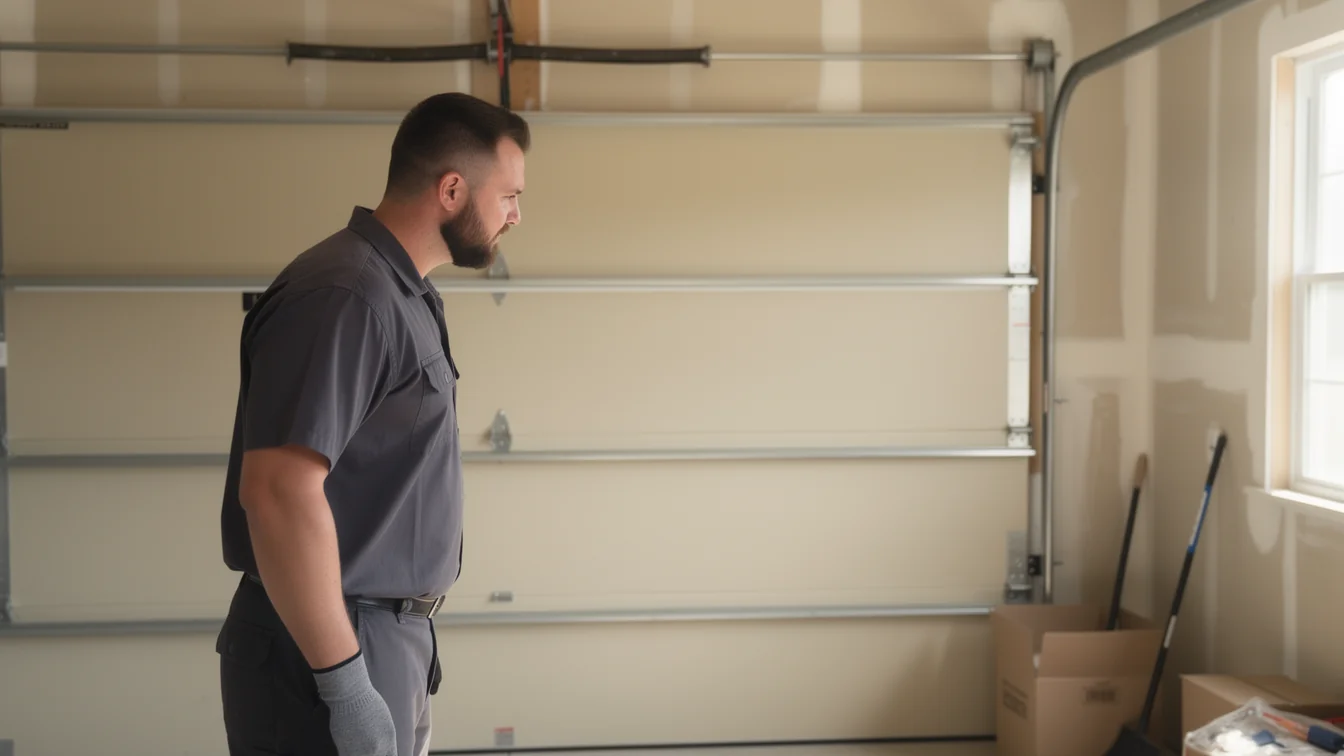
Why Your Door Sounds Different in a 1970s Chula Vista Garage
Most Chula Vista garages date to the 1960s and 70s, so a grinding spring or a popping track means something different here than in newer construction.
Read moreMost Chula Vista garage doors date to the 1967-1985 building boom, before insulation codes existed. Here's what that means for repairs and replacement.
Local detail
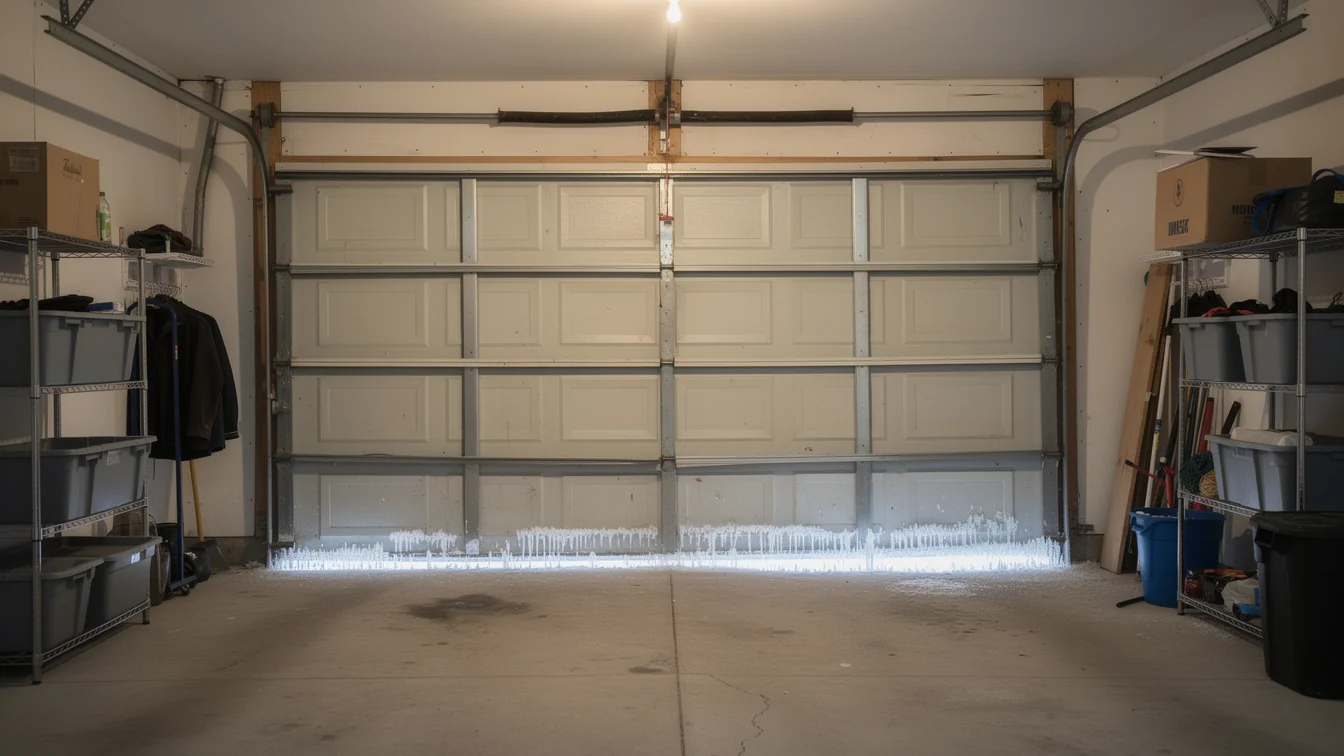
If your door opens and closes without binding, and your garage isn't a living space, there's a real case for leaving it alone. Chula Vista sits in a mild temperate band - no hard freezes, no stretch of 100-degree days that bakes a steel panel until it warps. That matters because the whole pitch for a modern insulated door is thermal: keep the heat out in summer, keep it in come winter. In a climate this even, the payoff on that spend is smaller than the brochures suggest. A door with a single steel skin and no foam core, which describes a lot of what's sitting in driveways here from the 1970s building wave, can run for years past when a marketing flyer says it should be replaced. The honest version: if the panels aren't dented, the bottom seal isn't shredded, and the springs are holding tension, you're not losing much by waiting. We'd rather tell you that than sell you a door you don't need yet. Waiting only stops making sense once the steel itself starts going - rust through at the bottom rail, a track pulling away from the jamb, a panel that's lost its shape.
The area
The housing stock across this service area is overwhelmingly a product of one stretch of time: built between 1967 and 1985, with the median landing around 1975. That's not a guess about one street - it holds across the seventeen named communities we cover, from close-in areas like Sunbow and Rancho del Rey out to Otay Mesa and Bonita. Garage doors installed during that build-out were steel or wood, single-layer, no foam core, because insulated garage doors weren't a mainstream product yet and no code required one. So when you open the door on a house from that era, you're usually looking at original hardware logic even if the skin's been swapped once: single-wall steel, exposed springs, a track system sized for a lighter door than today's insulated panels. None of that is a defect. It's just what got built in this window, in this part of San Diego County, before insulation ratings were part of the conversation. Knowing that changes what repair actually means here - you're not restoring a door to some modern baseline, you're keeping a 1970s-spec door doing the one job it was built for.
What we find
The mistake we see most is a homeowner assuming an uninsulated door is automatically a problem that needs fixing, usually because a sales flyer or a big-box estimate frames it that way. In a climate like Chula Vista's, where winters are mild and the temperature swing door-to-door isn't severe, an insulated core mostly buys you quieter operation and a bit less rattle - not a meaningful heating or cooling bill difference for most garages. Spending on full insulation when the real issue is a worn roller or an unbalanced spring doesn't fix the thing that's actually failing. The opposite mistake happens too: writing off every original 1970s-era door as fine because it still opens, when the steel at the bottom panel has started rusting through from years of irrigation runoff and sprinkler overspray hitting the same six inches. That's not an insulation problem, and foam board won't fix rusted-through steel. We don't sell insulation retrofit kits as a stand-alone fix - if the door's structurally sound, there are better ways to spend that money; if it isn't, insulation was never the point.
How we work
Mild temperate conditions cut both ways for a door built in the 1967-1985 window. On one hand, the steel on these older doors hasn't been through the freeze-thaw cycling that cracks panels and seizes hardware elsewhere, so a lot of original tracks and springs are still doing useful work decades later. On the other hand, this area's marine-influenced air carries moisture even without hard rain, and that slow, steady dampness is what eats the bottom few inches of an unprotected steel panel over thirty-plus years - not heat, not cold. That's the failure pattern we actually see on original doors from Bonita Long Canyon through to the Eastlake neighborhoods: bottom rail rust and a stretched-out bottom seal, well before the spring or opener gives out. So the local argument for upgrading isn't an insulation argument at all. It's about matching the fix to what this climate actually does to a fifty-year-old door, which is corrode slowly at the base, not fail from temperature stress. Chase that instead of chasing an R-value number that doesn't move your utility bill much here.
Questions
Not by itself. A single-skin steel door from the 1970s with no foam core can still be structurally sound and safe to operate. Age alone isn't the issue - condition is. Check for rust at the bottom panel, play in the tracks, and whether the springs still hold the door level. Those tell you more than the insulation rating does.
Probably not by much. This area sits in a mild temperate climate without the extreme heat or cold that makes an insulated door pay for itself through HVAC savings. Insulation mainly buys quieter operation and less temperature swing right at the door - worth it for comfort, not a big line item on a utility bill here.
It's a reasonable starting assumption for this area, since most of the housing stock in the service area dates to 1967-1985. The door skin itself may have been replaced once, but springs, track, and rollers often go unnoticed until something fails. Worth a look rather than a guess, since parts sized for that era's lighter doors don't always suit a heavier replacement panel.
In this climate, it's usually rust at the bottom rail from sustained moisture and irrigation overspray, a stretched or torn bottom seal, or a spring that's simply outlived its cycle count - not insulation-related wear. Freeze damage isn't a factor here the way it is in colder regions, so the failure pattern skews toward slow corrosion and worn moving parts.
Recommendation
More garage door guides for Chula Vista homeowners.
Most Chula Vista garages date to the 1960s and 70s, so a grinding spring or a popping track means something different here than in newer construction.
Read more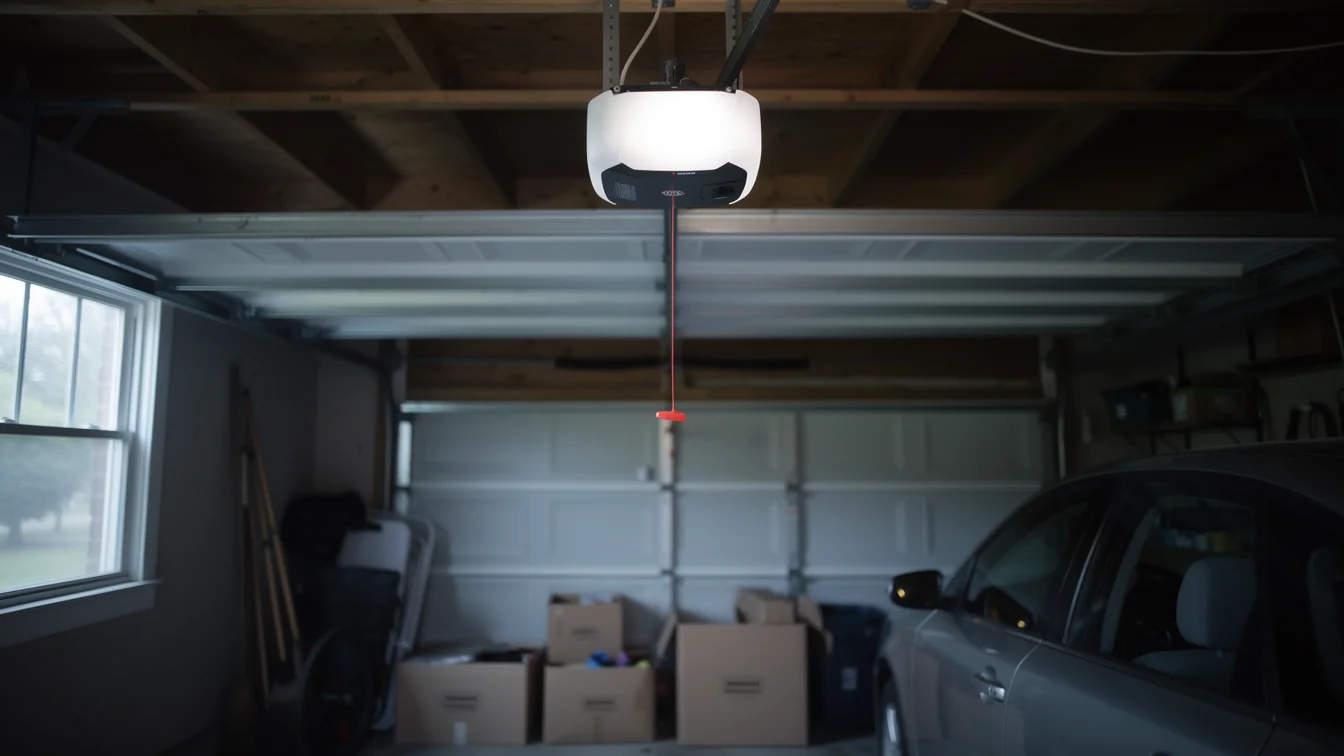
Chula Vista homes built mostly from 1967 to 1985 often have openers without battery backup.
Read more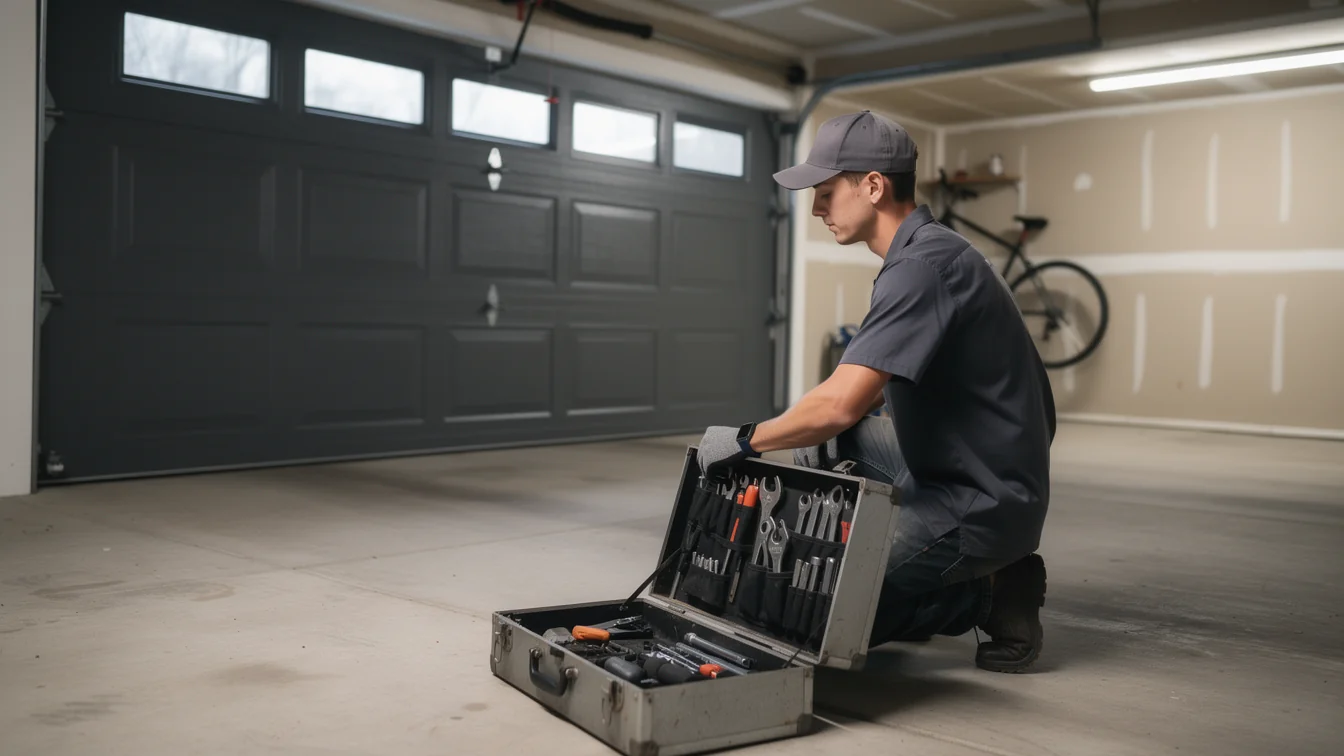
A Chula Vista garage door service call means a full inspection of hardware common to 1967-1985 homes in this mild coastal climate, not just a quick fix.
Read moreReady when you are
Chula Vista Garage Door Pros repairs and installs garage doors, springs and openers in Chula Vista, CA and the surrounding area.