Chula Vista, CA
Garage Door Spring Repair Across Chula Vista
Torsion and extension spring repair for Chula Vista homes built 1967-1985. We explain why this housing stock and mild coastal climate wear springs the way they do.
Can You Do This Yourself
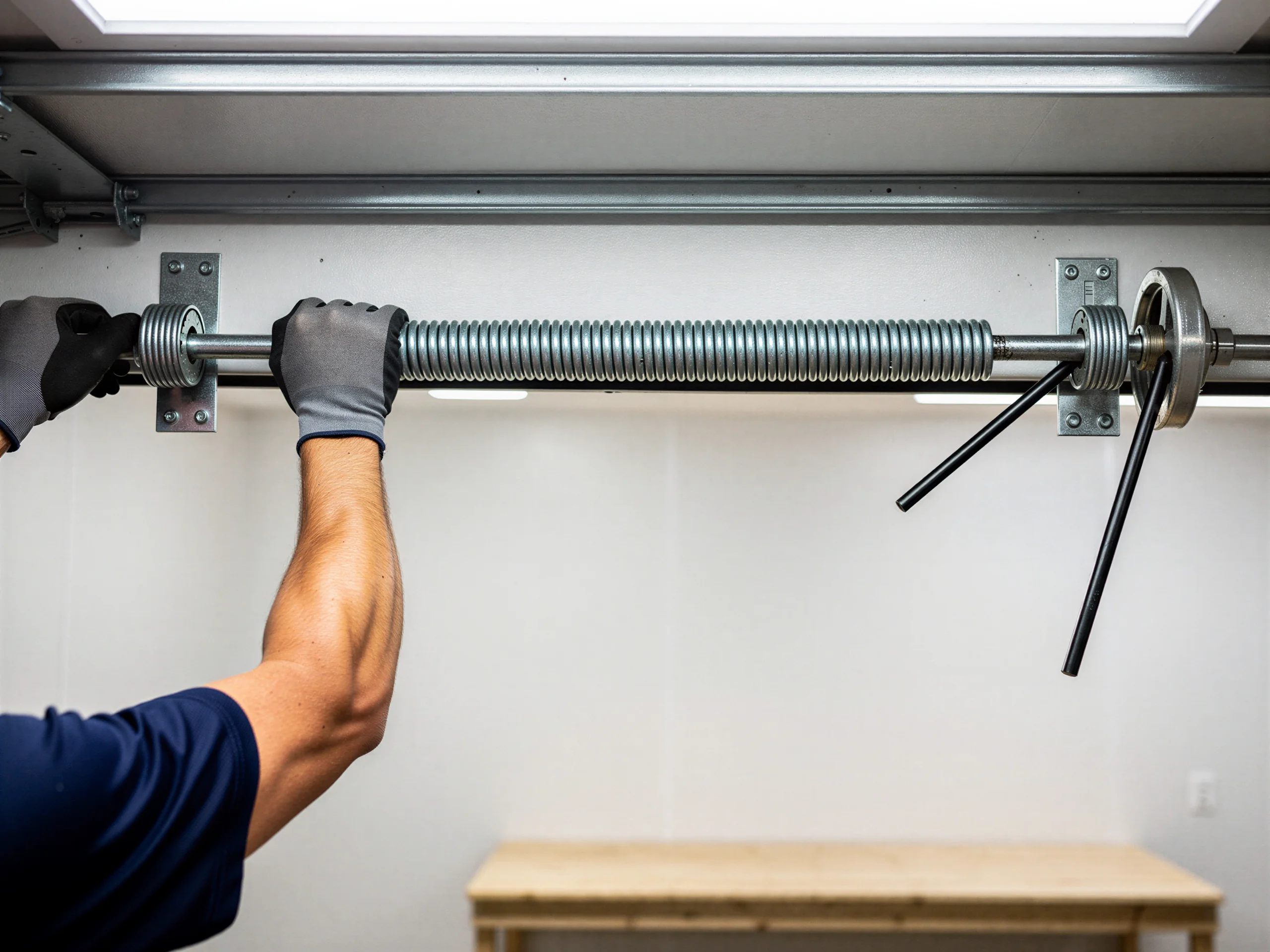
A torsion spring is wound under enough tension to break a finger or worse, and the bar that holds it runs the width of your door.
No torsion DIY
We don't recommend DIY on torsion spring jobs, full stop - the winding bars and clamps have to be rated for the job, and a slipped cone has put more than one homeowner in the ER.
Extension springs still dangerous
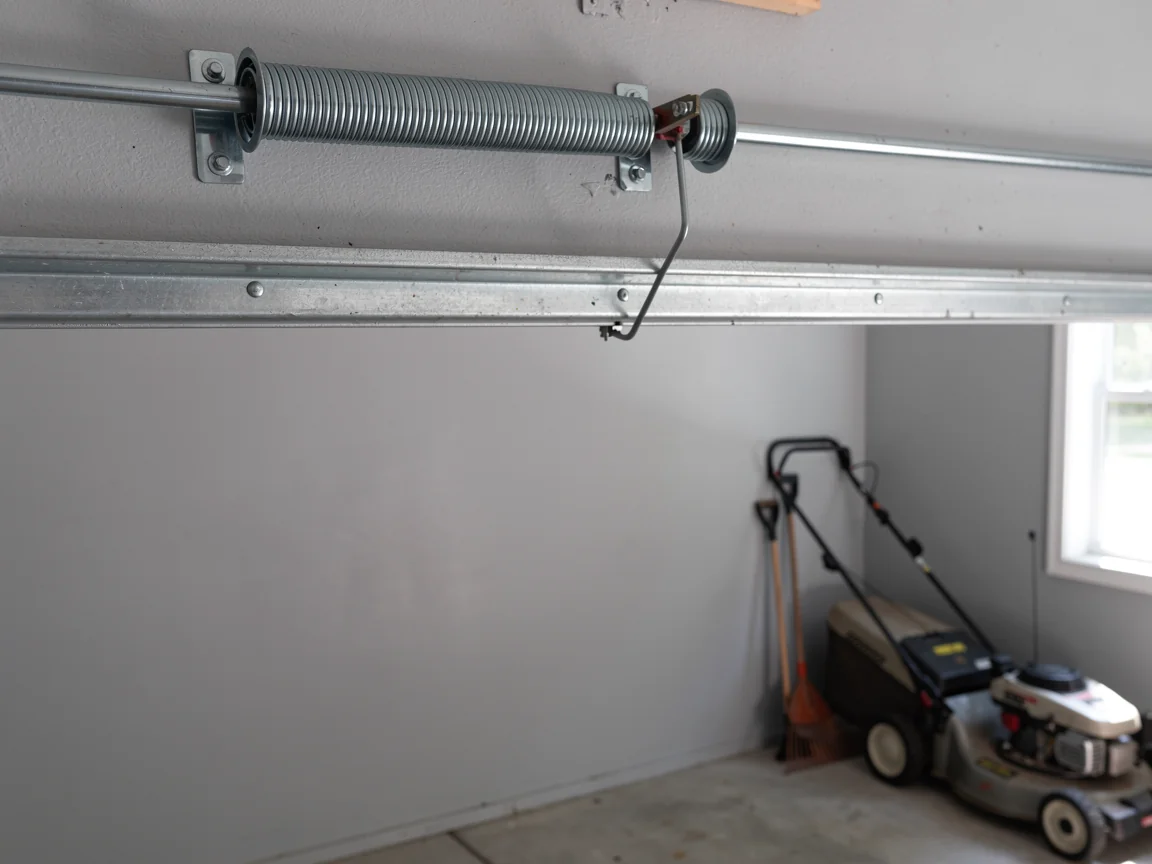
Extension springs, the ones that stretch along the horizontal tracks on either side of the door, are a little more forgiving to look at but still carry real force when they let go.
Safe self-checks list
What you can safely do yourself: check whether your door has one spring or two, listen for a loud bang (that's usually the spring itself, not something else), and see if the door won't lift past a few inches - that's your sign the spring has given out and the opener is trying to do a job it was never built to do alone.
Note spring style first
Write down whether your springs sit above the door on a bar (torsion) or alongside the track (extension); it saves time on the call. If your household has 127,255 other homes around it in this same service area, chances are a good share of them have faced this exact repair already - spring failure isn't rare here, it's routine maintenance that got skipped.
Why It Happens Here
Most of the houses we work on were built between 1967 and 1985, with 1975 sitting right in the middle of that run - and that matters because the garage door hardware from that era, even after replacement doors went in over the decades, often kept the original torsion shaft and bracket spacing. Springs installed to match an older door or an older opener don't always get upgraded cycle-for-cycle when owners replace the door itself, so you end up with a spring rated for a lighter panel carrying a heavier one.
Across the roughly 17 named neighborhoods and areas we cover, the housing stock is consistently 1960s-70s vintage, which means the spring on your door right now may be a second or third replacement, sized by whoever did the last job rather than the manufacturer's original spec.
The mild temperate climate here actually works in your favor on this one - we don't get the freeze-thaw cycling that snaps brittle coils in colder states, and metal fatigue from heat swings isn't the driver it is in desert climates. Here, it's almost entirely about cycle count: how many times the door has opened and closed. A spring rated for 10,000 cycles doesn't care what season it is - it just wears out on schedule, and with housing this age, a lot of springs are well past due.
The Symptom
The door won't open, or it opens a few inches and stops. The opener motor strains and hums but the door barely moves - that's the opener fighting a spring that's no longer holding the door's weight. Sometimes you'll hear a sharp bang from the garage, loud enough to sound like a gunshot, and that's the spring itself breaking under tension.
Other signs show up before total failure: the door feels heavier than it used to when you lift it by hand with the opener disconnected, it closes faster than it opens, or one side of the door looks visibly lower than the other when it's partway up - a sign one spring on a two-spring system has already gone while the other is still holding on.
Cables can also look slack or frayed near the bottom bracket once a spring fails, because the cable drum starts spinning without resistance. None of these are issues you want to leave for later. A door stuck half-open is a door that can fall, and it's also a door nobody can get a car through.
What Can Go Wrong
A broken spring rarely breaks alone. Once tension is gone, the opener often tries to compensate and strips its drive gear or burns out the motor - a $40 spring problem becomes a $200 opener problem if the door sits unrepaired and someone keeps hitting the button.
Cable kink from spring
Cables under a broken spring can jump the drum and kink, which means a cable replacement gets added to the job. On two-spring systems, we almost always replace both springs even if only one broke, because the surviving spring was installed at the same time and has the same cycle count - it's close behind.
Honest repeat-visit avoidance
We'll tell you plainly if that's the case rather than let you pay twice for a second visit a few months later. The one thing we won't do is sell you a full door replacement when a spring and maybe a cable will get you years more use - that call depends on the condition of the track, rollers, and panel, not just the spring.
Spring failure is repair
If the door itself is original to a house built in the 1970s and the panels are rusted or warped, that's a different conversation, but a spring failure by itself is almost always a repair, not a reason to replace the door.
Questions
Common questions
How long does a spring repair take?
Most single-spring or double-spring torsion jobs are a same-visit repair once the technician is on site, since it's one of the most common calls across this service area's older housing stock. We don't have an exact time figure to quote here, but it's not an overnight wait for parts on a standard size spring.
Why did both my springs break around the same time?
If your door has two torsion springs, they were installed together and have carried the same number of open-close cycles since. One failing is usually a sign the other is close behind, which is why we typically replace both rather than send you a truck twice for the same underlying wear.
Is it the heat or cold causing my spring to break?
Not really - this area sits in a mild temperate climate band, so freeze-thaw stress and extreme heat cycling aren't the main culprits the way they are elsewhere. Cycle count, how many times the door has opened and closed, is the bigger factor here, especially on housing stock dating to the 1960s and 70s.
Can I just replace the one broken spring?
You can, and sometimes that's the right call, but on a two-spring system we'll usually point out that the second spring has the same age and wear as the one that failed. We'll tell you the tradeoff honestly rather than push a bigger job than you need.
Explore more
Explore More Services In Chula Vista, CA
Garage Door Installation, Chula Vista
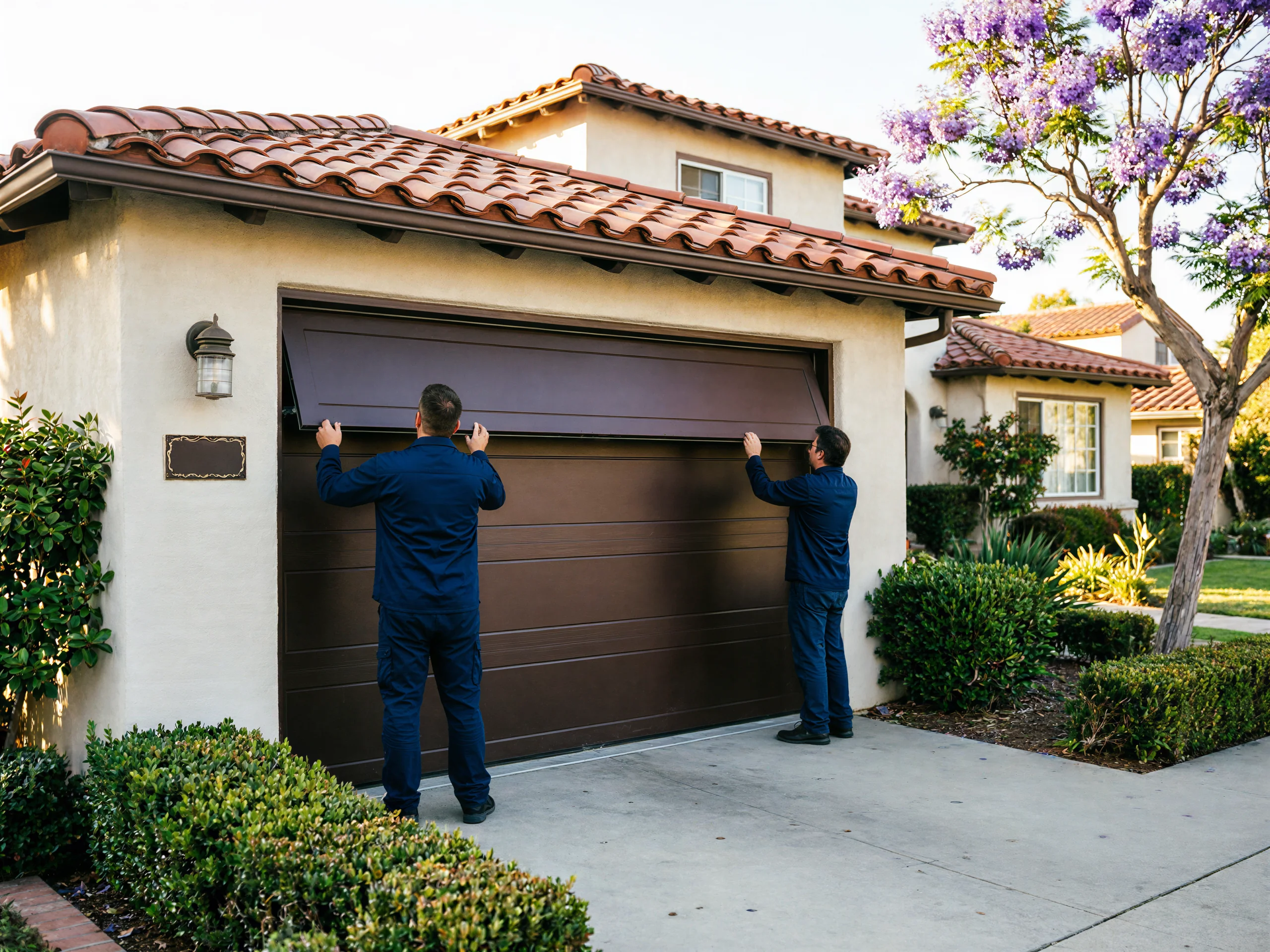
New garage door installation for Chula Vista homes built 1967-1985, from Bonita to Otay Mesa. Learn more →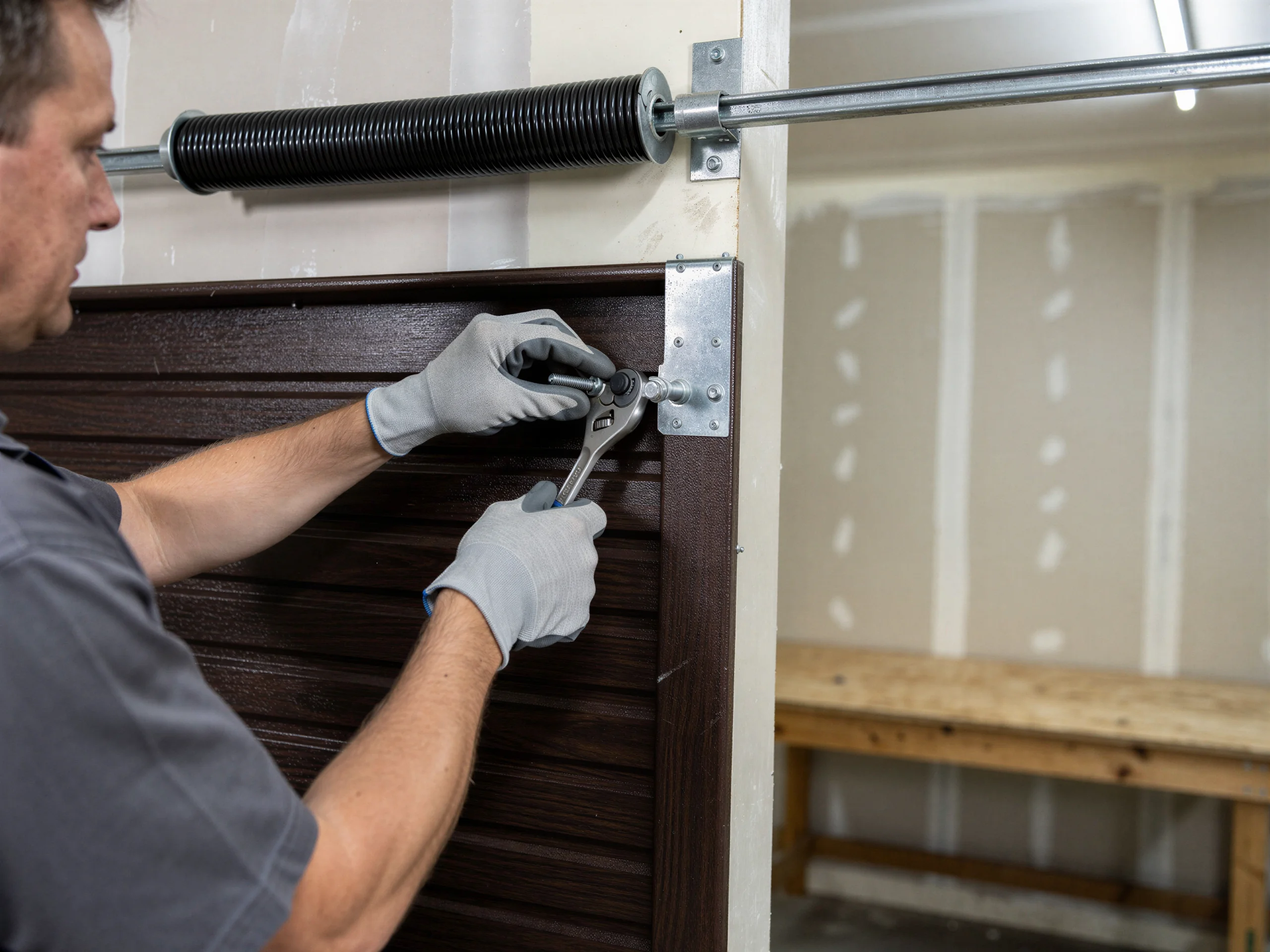
Garage Door Service for Chula Vista's 1970s Housing Stock
Chula Vista homes built between 1967 and 1985 are hitting the age where original springs and openers wear out. Learn more →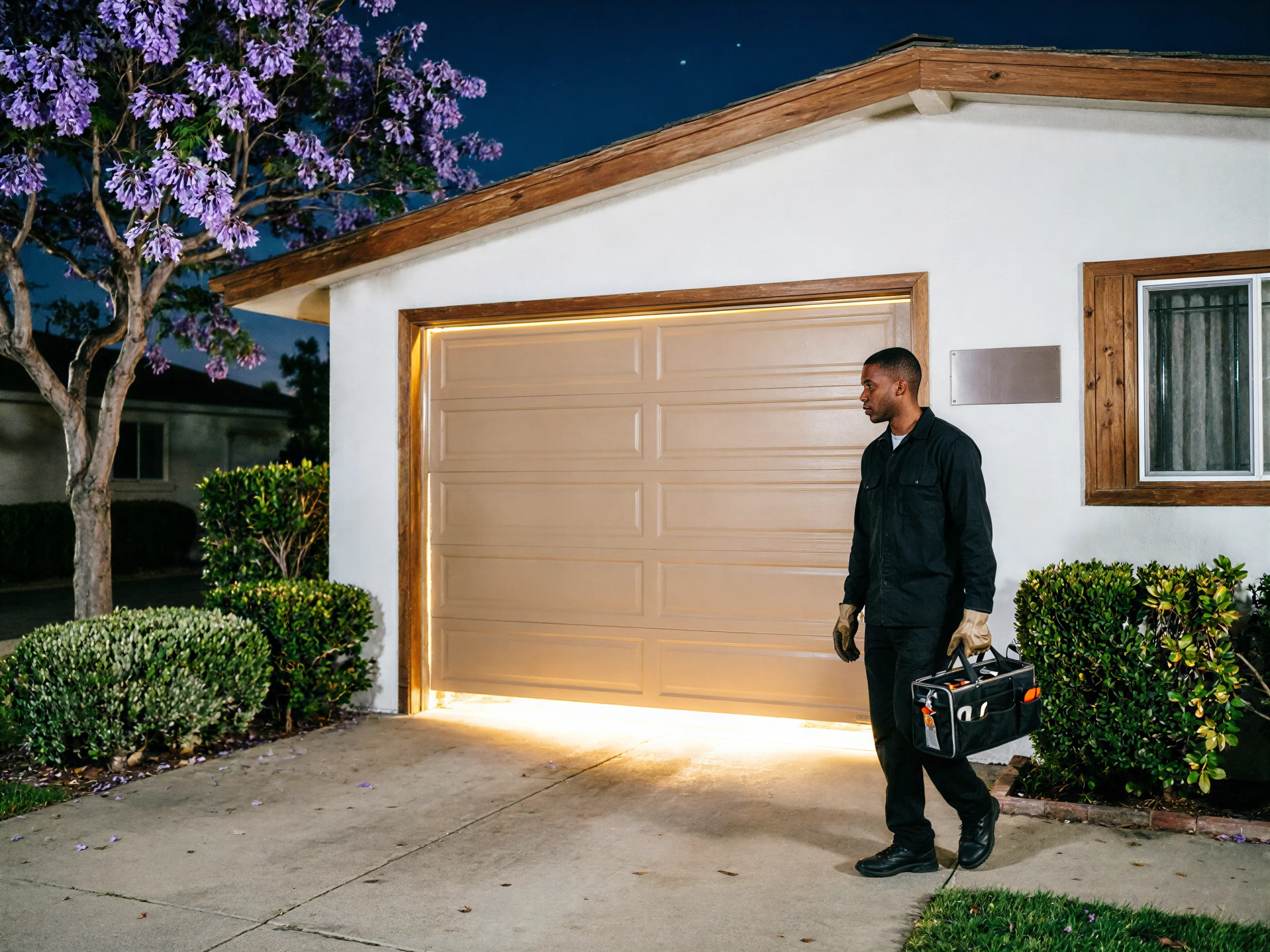
24/7 Emergency Garage Door Repair Across Chula Vista
Spring snapped, door stuck shut, opener dead at 10pm. Learn more →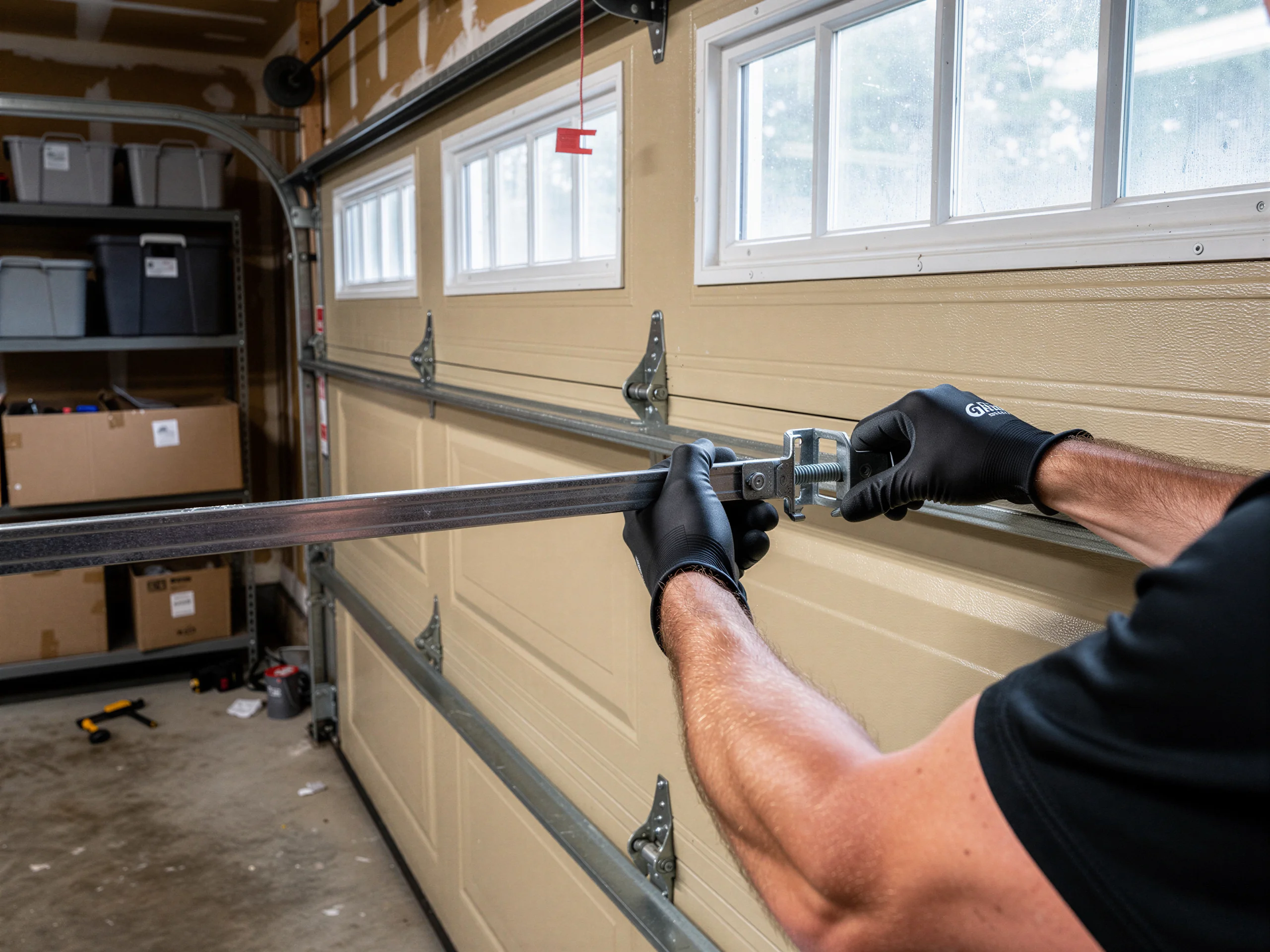
Garage Door Repair for Chula Vista's 1970s Housing Stock
Garage door repair for Chula Vista homes built 1967-1985, where original torsion springs and worn rollers are now reaching the end of their service life. Learn more →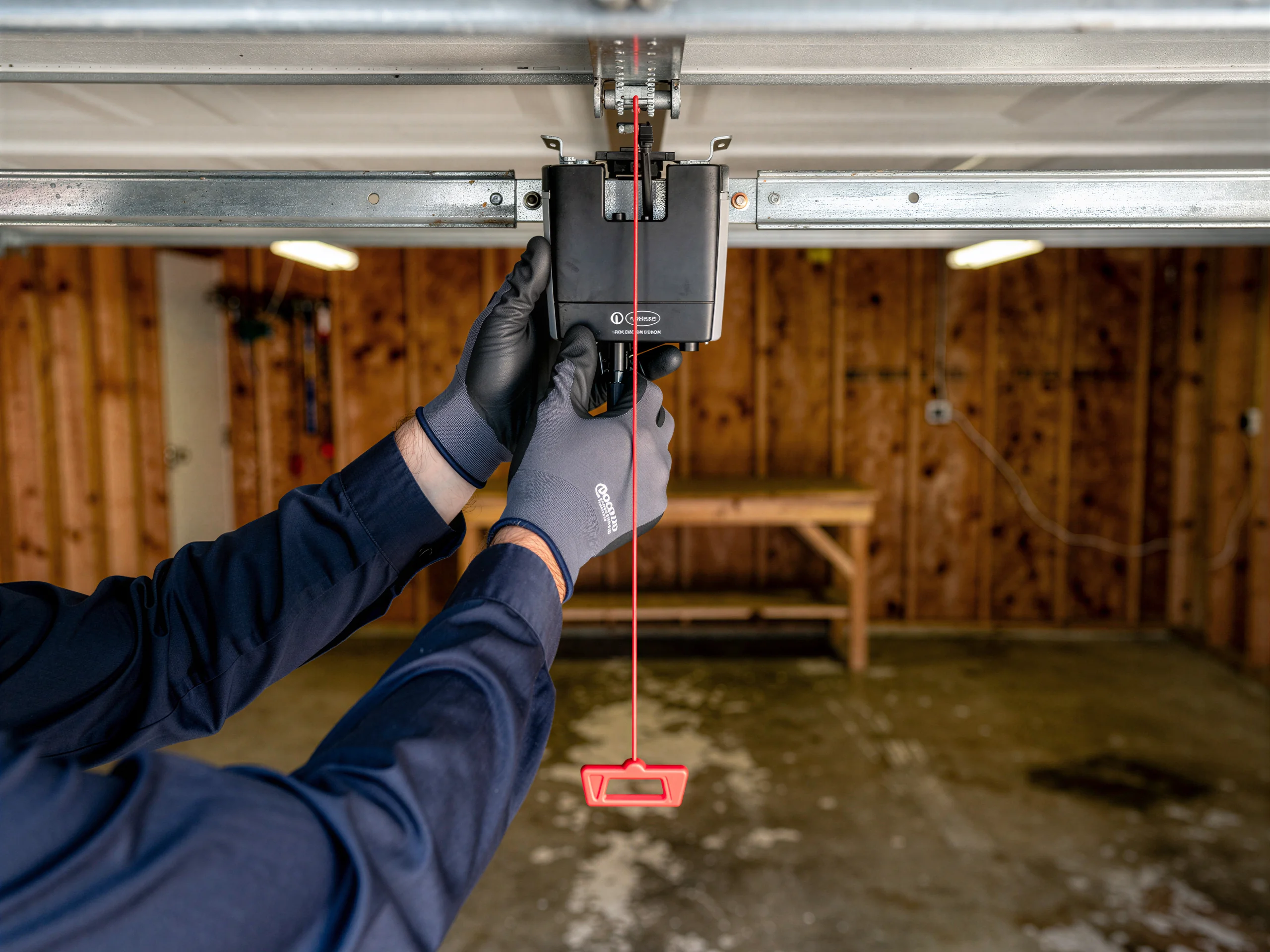
Garage Door Opener Repair for Chula Vista Homes
Opener repair for Chula Vista homes built mostly 1967-1985, from dead remotes to openers that run but won't lift. Learn more →
Garage Door Maintenance in Chula Vista
Garage door maintenance for Chula Vista homes built 1967-1985, where mild temperate air hides wear until springs and openers fail without warning signs. Learn more →Ready when you are
Need a garage door sorted in Chula Vista?
Chula Vista Garage Door Pros repairs and installs garage doors, springs and openers in Chula Vista, CA and the surrounding area.