
Chula Vista, CA
When a Garage Door Panel Needs Replacing in Chula Vista
Cracked or dented garage door panels on Chula Vista homes built from the 1960s through the 1980s. See what panel replacement involves and when it's worth it.
Can You Do This Yourself
Swapping one panel on a sectional door sounds like a weekend job, and sometimes it is. If your door is a newer model with a panel still in production, you can usually order a matching section, pull the hinges, and bolt the new one in without touching the spring or the opener.
Obsolete panel profiles
The trouble starts with age. A lot of the doors across this service area are original to houses built between 1967 and 1985, and the exact panel profile from that era is long out of production.
Close-match seam visibility
You end up hunting for a close match instead of an identical one, and "close" often means a visible seam in color or rib pattern. If you're comfortable with a ratchet and you're not dealing with the bottom panel (which usually carries the cable brackets), a single panel swap is within reach for most owners.
When to call pros
Where we'd tell you to call instead: any panel on a door with a torsion spring you haven't worked with before, any job where the track has to come off to seat the new section, or any door where two or more panels are bent enough that the whole door is out of square. At that point you're not replacing a panel anymore, you're re-hanging a door, and that's not a solo job.
Why It Happens Here
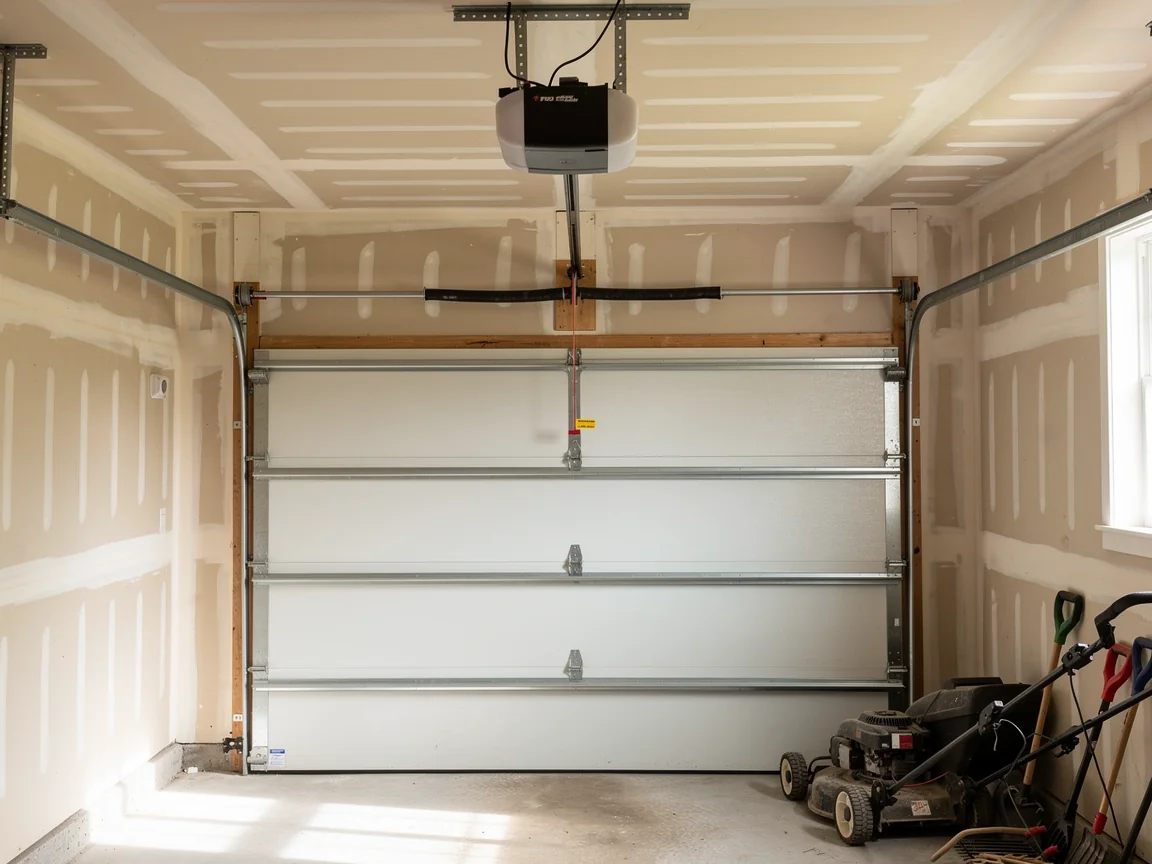
The housing stock across this service area is heavily 1960s and 70s, with a median build year around 1975 spread across the 17 named communities we cover. That means a huge share of the original garage doors are builder-grade steel, single-skin, no insulation layer, and now pushing forty to fifty years old. Steel that age doesn't fail from one bad knock, it fails from accumulated stress on hinges and seams that have flexed thousands of times since the Ford administration.
The climate here is mild temperate, so we don't see the freeze-thaw cracking or road-salt rust that eats panels in colder regions. What we see instead is UV fatigue. Decades of direct sun bake the factory finish until it chalks, and the steel underneath gets brittle at the seams well before it rusts through. Add a daily commuter backing a trailer hitch too close, or a basketball that finds the same spot every afternoon, and a panel that was already thin from sun exposure gives out. It's less a weather problem and more an age-and-sun problem, which is why panel failure tends to cluster on original doors rather than anything installed in the last fifteen years.
The Symptom
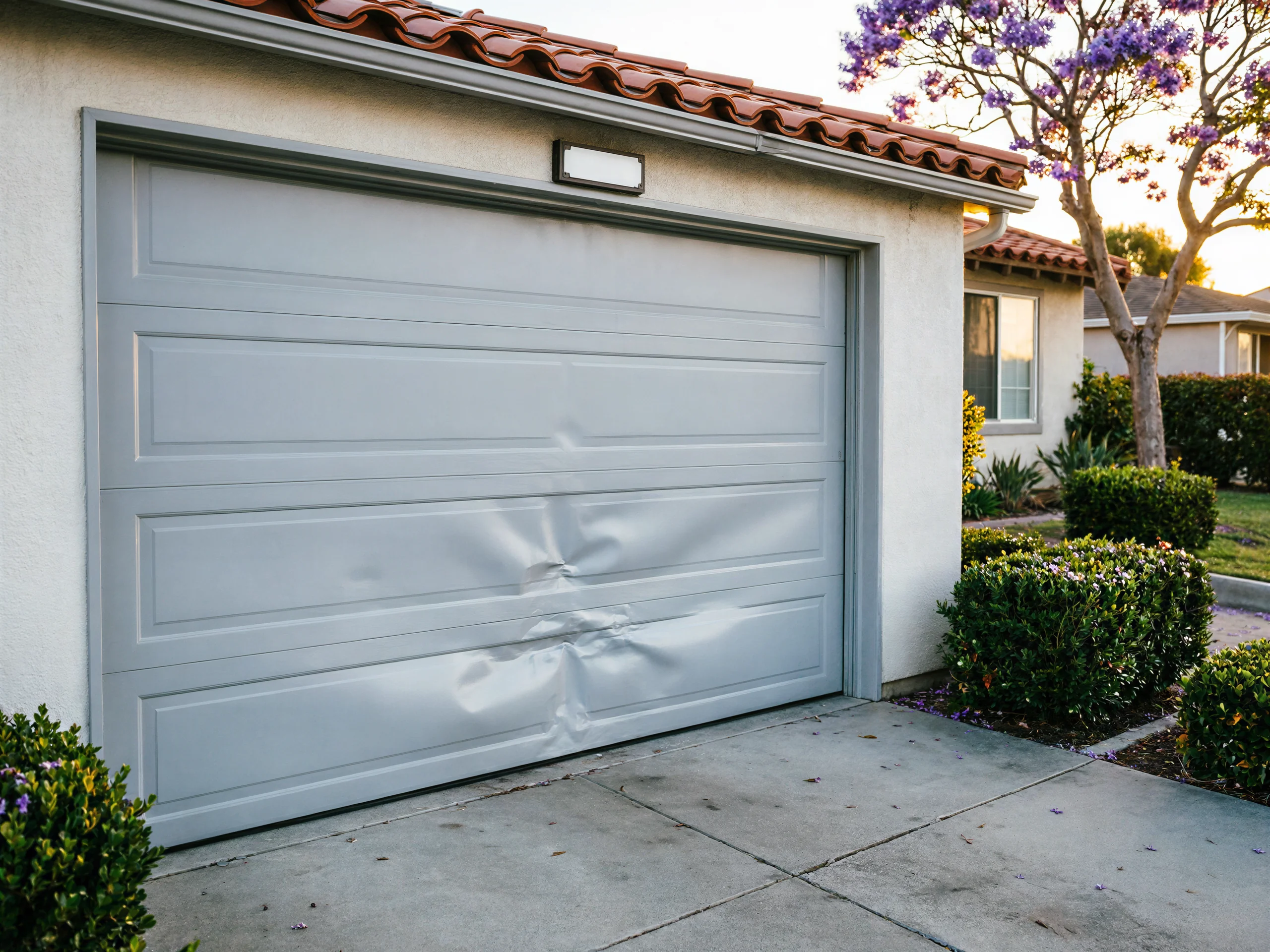
A panel going bad doesn't always look dramatic. Watch for a dent that doesn't pop back out after a day or two, a crease running horizontally across a section (that's the steel work-hardening at the stress point), or a bottom panel with rust streaks bleeding down from the hinge bolts.
Chalky faded finish
On the painted steel doors common from the 1970s building boom, you'll sometimes see a chalky, faded patch where the finish has broken down under sun exposure for years.
Fiberglass hairline cracks
On fiberglass panels, the tell is different: hairline cracks radiating from a hinge screw, or a section that feels soft and slightly spongy when you press it, which usually means moisture got behind the skin.
Flush and scraping signs
Either way, a bad panel often shows up first as a door that doesn't sit flush when closed, or a scraping sound as it travels past the bent section. If the door still opens and closes smoothly and the damage is cosmetic, you can usually wait. If the panel is pulling away from its neighbor or the track, that's not a wait-and-see situation.
What Can Go Wrong
The most common problem with panel replacement isn't the install, it's the match. A single new panel on an older door almost never comes out identical, and on doors from the 1967-1985 building wave, the original profile may not be made anymore at all.
Mismatch versus extra panels
You're choosing between a visible mismatch or replacing more panels than you planned to, which changes the cost of the job fast. The second issue is balance. A sectional door is a system, and pulling a damaged panel out shifts the weight the springs are carrying, even if only slightly.
Spring check during swaps
If the spring was already near the end of its cycle life, a panel swap can be the thing that pushes it into failure a few weeks later. We'll check spring tension any time we're in there replacing a panel, because catching that early beats a second service call.
Multi-panel damage limit
The honest limitation: if two or more panels on the same door are damaged, or the track has started to bow because of it, panel replacement usually isn't the economical move anymore. At that point a full door replacement often costs less than chasing discontinued panels one at a time.
Questions
Common questions
Will a replacement panel match my existing garage door exactly?
Not always, and that's the biggest variable in this job. Doors built during the 1967-1985 construction wave often used profiles that are no longer manufactured. We can usually get a close color and rib match, but on an older door there's a real chance of a visible seam between old and new sections.
Why did my garage door panel crack if nothing hit it?
On older steel and fiberglass doors, years of sun exposure in our mild climate dry out the finish and weaken the material at stress points like hinge screws and seams. The crack often starts small and widens over time, especially if the panel sees direct afternoon sun most of the year.
Is it cheaper to replace one panel or the whole door?
One panel is cheaper if your door is newer and the panel is still made. If your door is original to a 1960s-70s era house and more than one panel shows wear, full replacement can end up costing less than hunting down discontinued single panels one at a time.
Can I keep using my garage door with a dented panel?
If the door still opens and closes smoothly, tracks straight, and the dent is cosmetic, you can usually wait. If the panel is creased through, pulling at a seam, or the door scrapes as it travels, that's a sign the damage is affecting the door's structure, not just its looks.
Explore more
Explore More Services In Chula Vista, CA
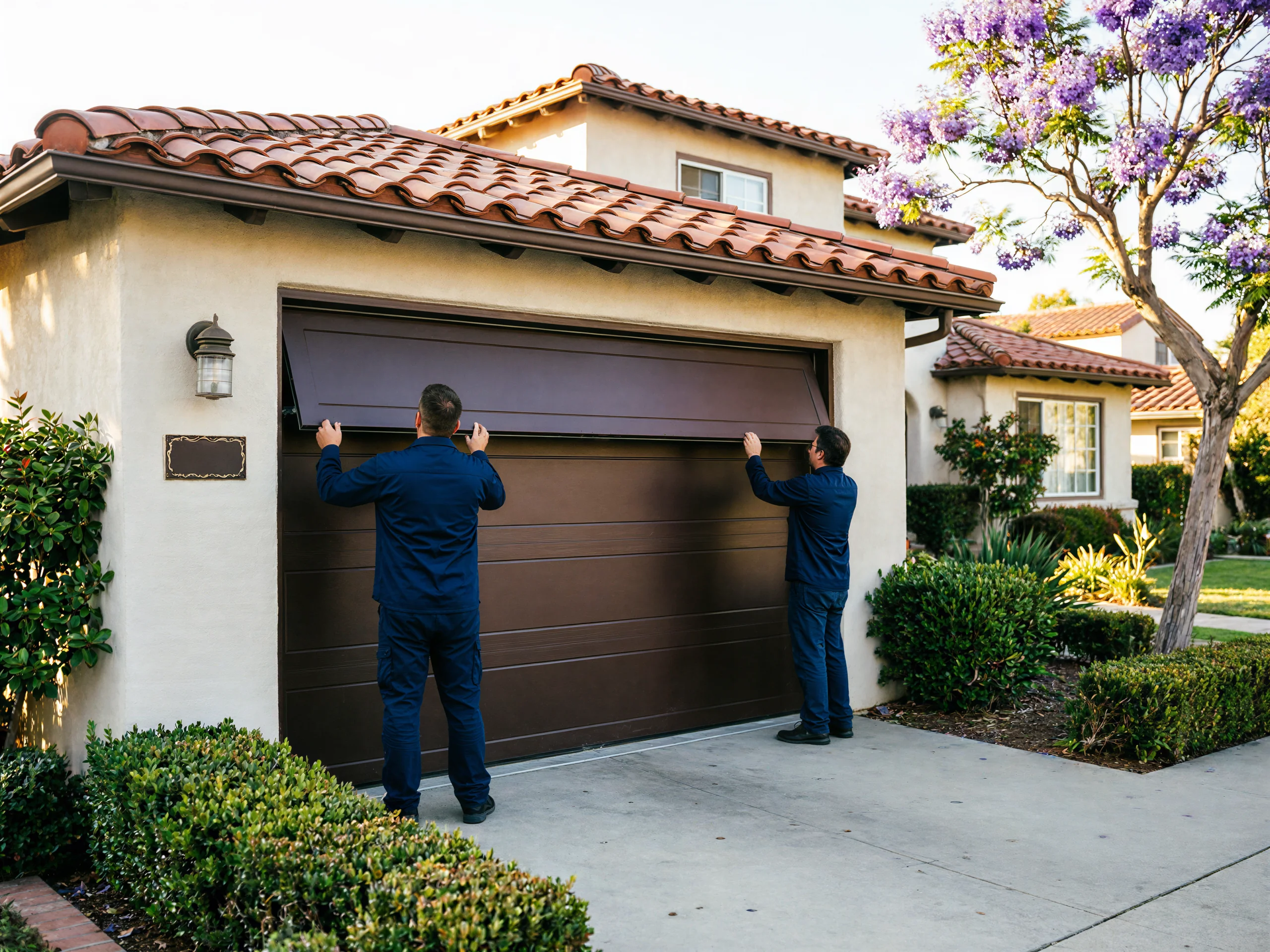
Garage Door Installation, Chula Vista
New garage door installation for Chula Vista homes built 1967-1985, from Bonita to Otay Mesa. Learn more →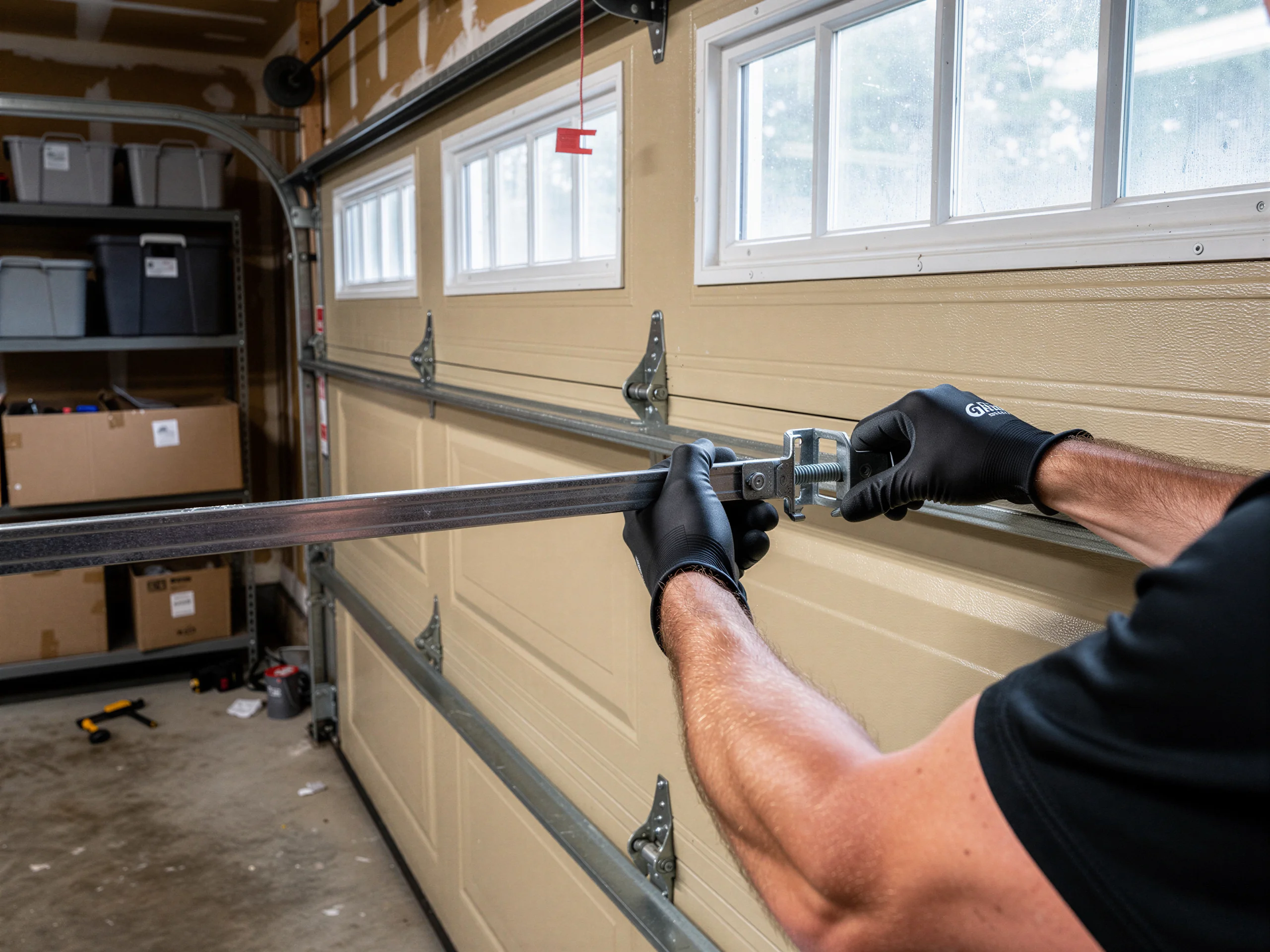
Garage Door Repair for Chula Vista's 1970s Housing Stock
Garage door repair for Chula Vista homes built 1967-1985, where original torsion springs and worn rollers are now reaching the end of their service life. Learn more →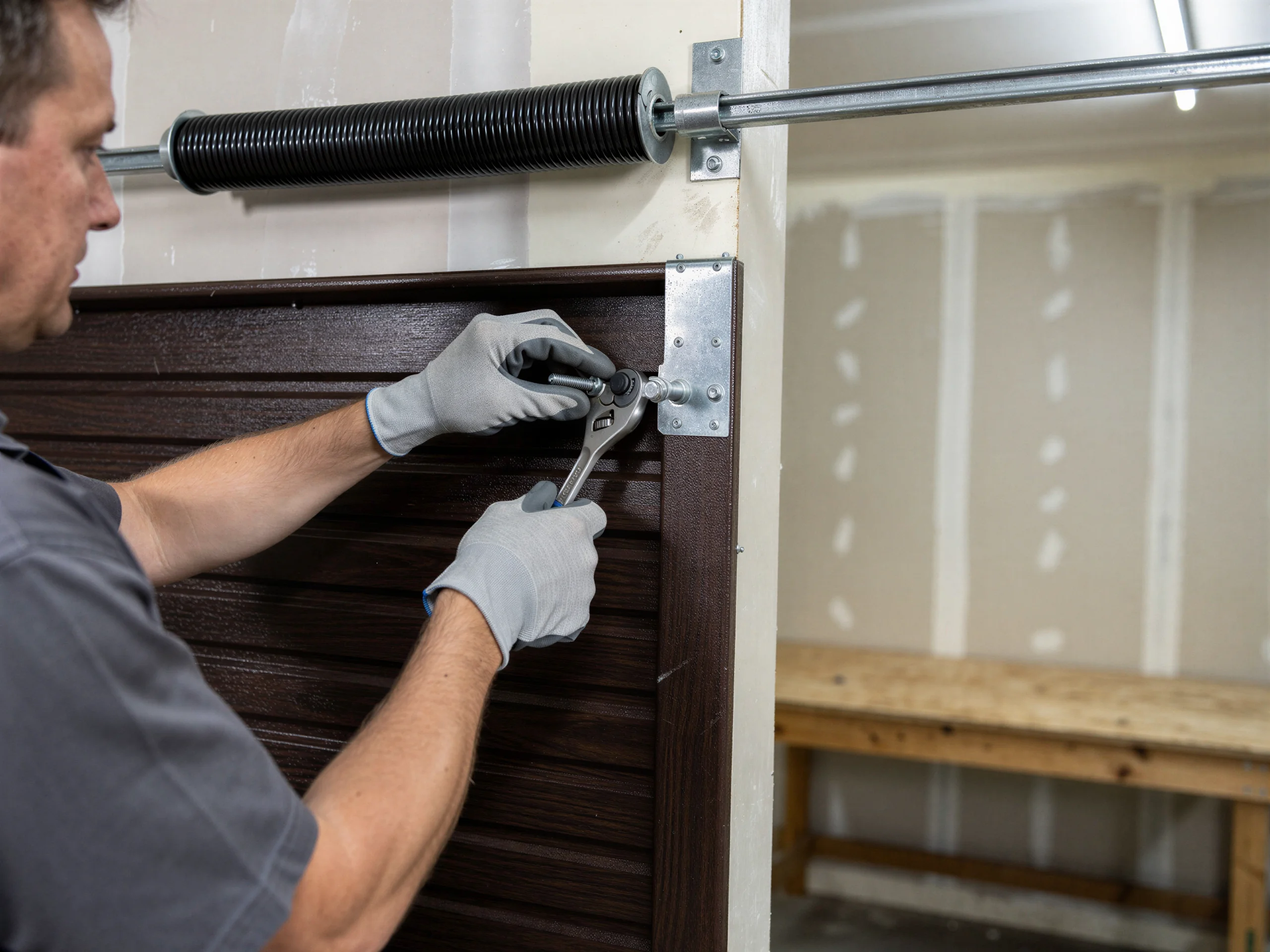
Garage Door Maintenance in Chula Vista
Garage door maintenance for Chula Vista homes built 1967-1985, where mild temperate air hides wear until springs and openers fail without warning signs. Learn more →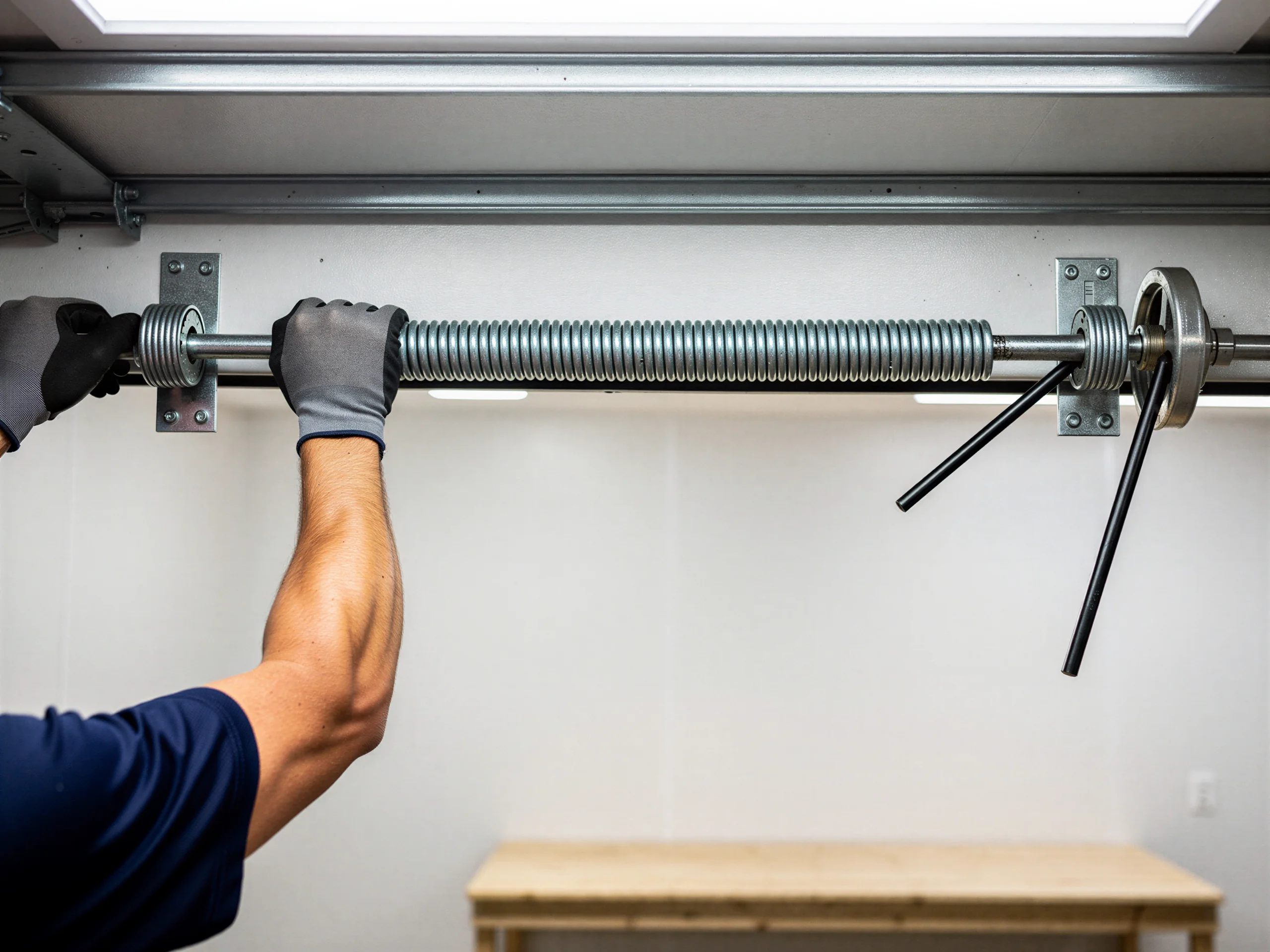
Garage Door Spring Repair Across Chula Vista
Torsion and extension spring repair for Chula Vista homes built 1967-1985. Learn more →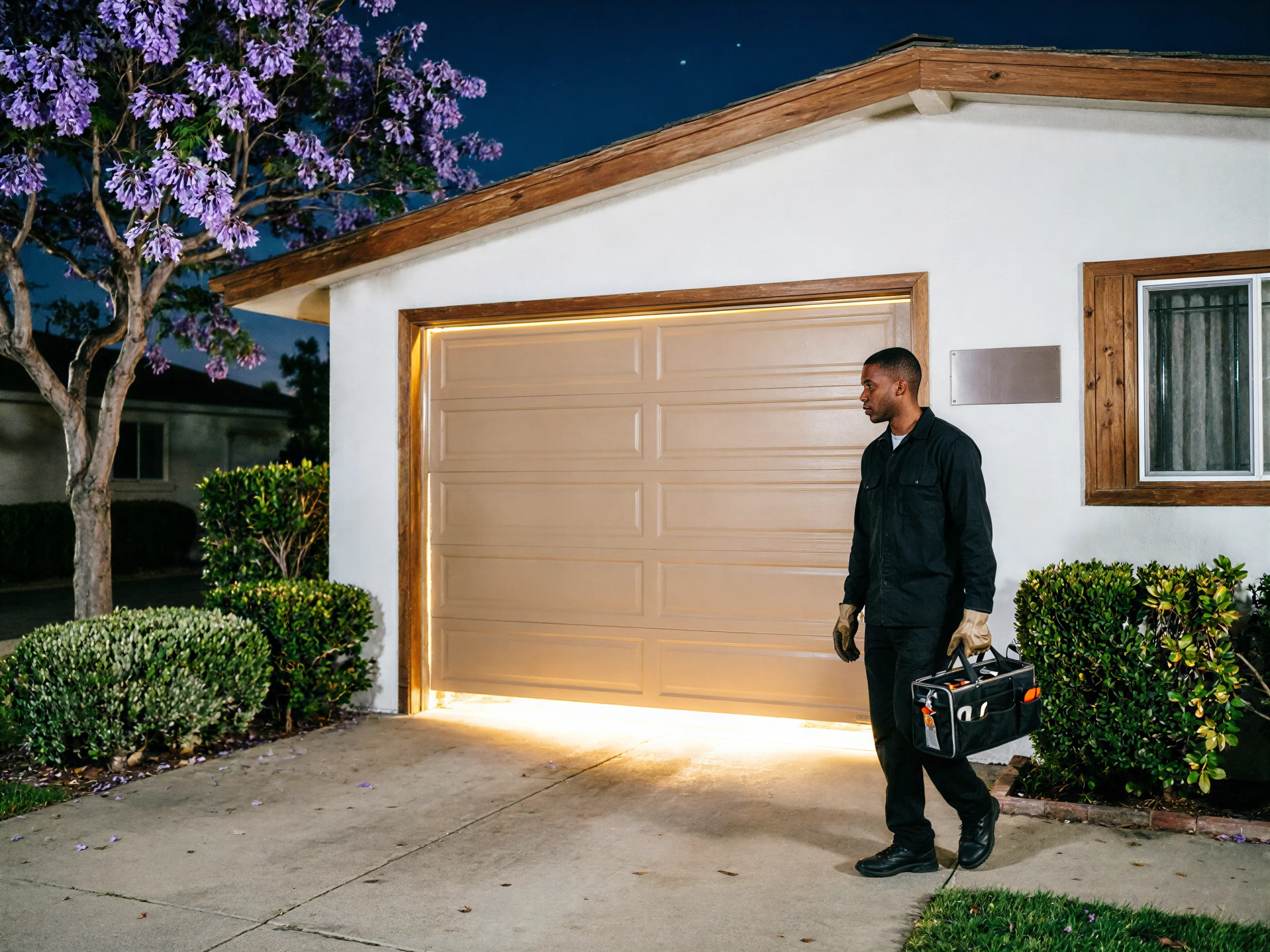
24/7 Emergency Garage Door Repair Across Chula Vista
Spring snapped, door stuck shut, opener dead at 10pm. Learn more →
Garage Door Service for Chula Vista's 1970s Housing Stock
Chula Vista homes built between 1967 and 1985 are hitting the age where original springs and openers wear out. Learn more →Ready when you are
Need a garage door sorted in Chula Vista?
Chula Vista Garage Door Pros repairs and installs garage doors, springs and openers in Chula Vista, CA and the surrounding area.