
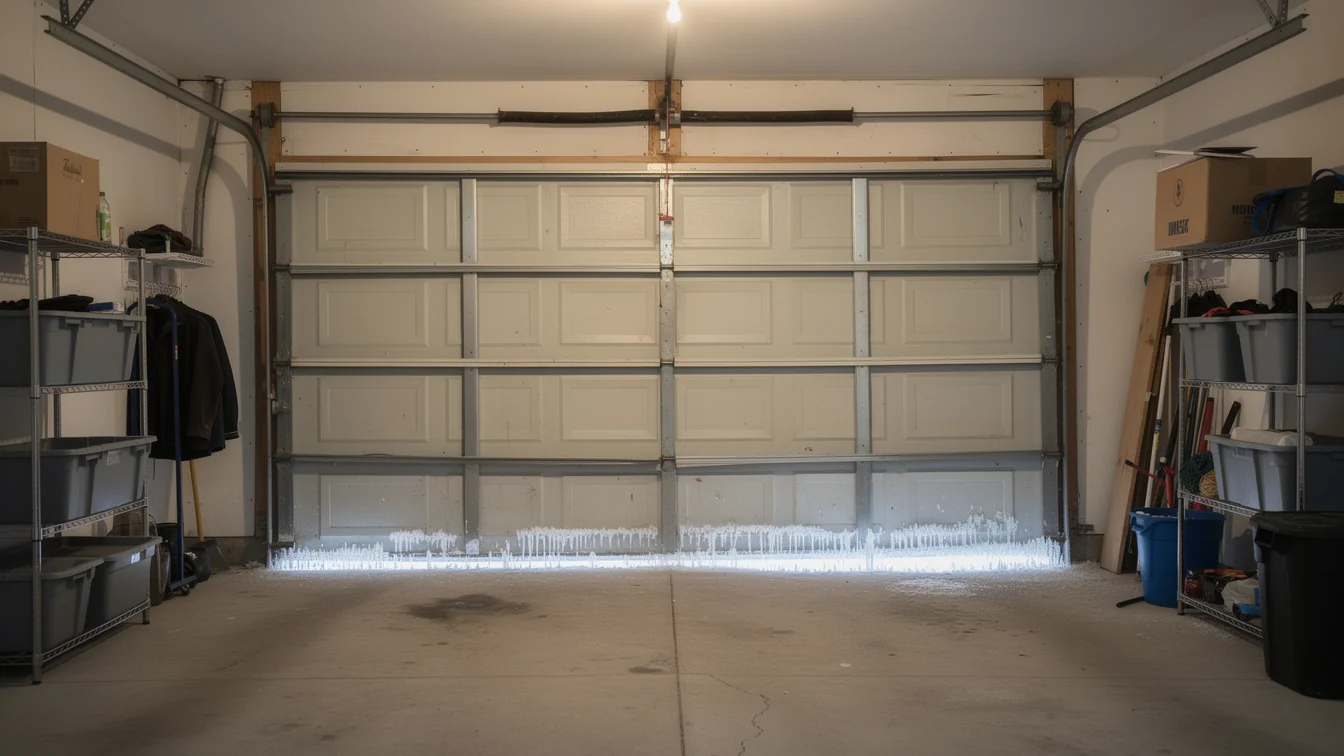
Why So Many Chula Vista Garage Doors Have No Insulation Rating
Most Chula Vista garage doors date to the 1967-1985 building boom, before insulation codes existed.
Read moreMost Chula Vista garages date to the 1960s and 70s, so a grinding spring or a popping track means something different here than in newer construction.
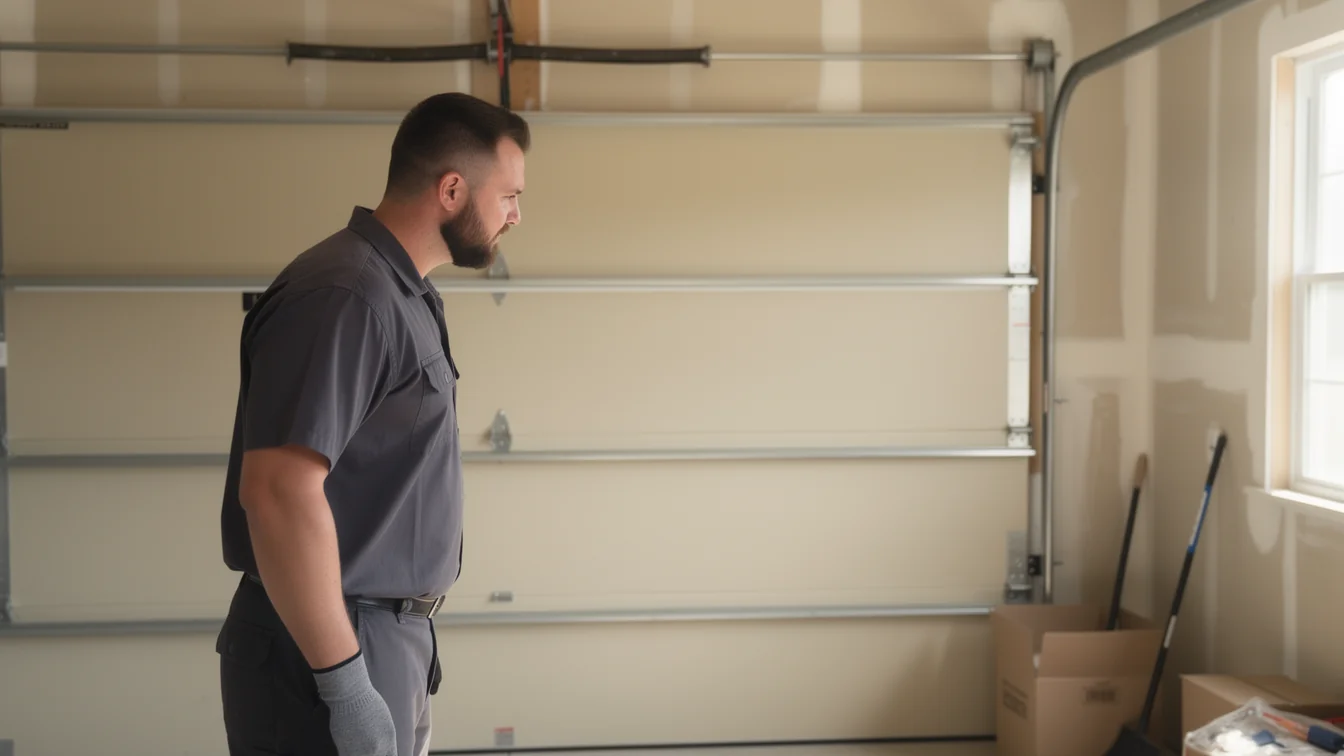
Local detail
Not every sound is a problem you need to act on today. A door that thumps once when it reaches the top of the track, or a soft rattle on a windy day, usually isn't telling you anything urgent. Chula Vista's housing stock from the 1967-1985 build window used steel sectional doors on simple extension or torsion hardware, and that hardware settles over the decades without failing outright.
Here's the honest limitation: if you can't tell the difference between a settling noise and a wear noise over the phone, neither can we, and we'd rather look at the track and the spring in person than guess. We won't tell you to replace a door because it's old. Plenty of original 1970s doors on this side of the county still run fine on the original track, just with newer rollers and cable.
What we will say is that a noise that's new, that's gotten louder over a few weeks, or that happens only at one point in the door's travel, is worth a call before it's worth ignoring. Letting a frayed cable or a cracked spring ride for another six months is how a quiet fix turns into a door stuck halfway open with a car underneath it.
The area
Most of the houses in and around Chula Vista were built between 1967 and 1985, with the median landing around 1975 - and that's true across the 17 named areas that make up this stretch of the county, not just the older blocks near the center. That matters because garage door hardware from that era was built to a different standard than what goes into new construction: heavier gauge track, torsion springs sized for a specific door weight, and steel rollers before nylon became standard.
The climate here is mild temperate - no hard freezes, no heavy humidity swings - so the failure pattern isn't rust, which is what you'd get in a wetter or colder region. It's dried-out lubricant. Grease and oil in torsion springs and roller bearings breaks down over years of heat cycling even without moisture, and a door that's been quietly drying out for a decade starts to grind, squeal, or pop at the same points in its travel every time.
A grinding sound usually means metal running against metal where grease used to be. A popping sound, especially near the top of the track, often means a bent track section flexing under a spring that's no longer balanced correctly. Both are original-hardware problems showing up on original-hardware timelines.
What we find
The mistake we see most is someone hearing a dry, grinding sound and reaching for a spray lubricant like WD-40 instead of a proper lithium or silicone-based garage door grease. WD-40 is a solvent - it cuts through old grease and dirt for a day or two of quiet running, then evaporates and leaves the metal drier than before. On a 50-year-old torsion spring that's already lost most of its original lubrication, that's the wrong move at the wrong time.
The second mistake is assuming a noise means the whole door needs replacing. On original 1970s hardware, it's almost always one part - a spring, a set of rollers, a section of track - not the door itself. Replacement makes sense when the door panels are rusted through, warped, or the track is bent beyond adjustment, not just because the door is old and loud.
The third is waiting for a noise to stop on its own. It won't. A spring that's lost tension doesn't retighten itself, and a roller with a flat spot doesn't round back out. The noise is the hardware telling you something specific, and the specific thing doesn't fix itself with time.
How we work
Chula Vista's mild temperate climate means you're spared the freeze-thaw cracking that ruins springs and seals in colder parts of the country, but it doesn't mean the hardware is immune to wear - it just wears differently. Years of warm, dry heat cycling will dry out factory grease and crack nylon rollers from the inside, even without a single hard frost. That's the trade-off of this climate band: slower decline, but a decline that's easy to miss because there's no obvious weather event forcing the issue.
Across the service area - from Bonita three miles out and Rancho del Rey two miles northwest, through National City, La Presa, and Imperial Beach, out to Lakeside seventeen miles away - the housing stock runs the same 1960s-70s window, and with roughly 43,965 owner-occupied houses built in that era, the same hardware failure shows up street after street in the same stretch of years. It's not coincidence when three houses on the same block need the same spring replaced in the same season; it's the same part reaching the same age at the same time.
We work from this pattern when we come out, because a door's sound usually tells us more about which decade it was installed than any paperwork does.
Questions
If your house was built in the 1967-1985 window common across Chula Vista, the original grease in the torsion spring and roller bearings has likely dried out from years of heat cycling. It's not rust in this climate - it's lubrication breaking down. Louder usually means it's been drying out gradually for a while, not that something broke overnight.
It can be. On original 1960s-70s track, a pop at the top of travel often means the track has flexed slightly under a spring that's no longer holding correct tension. It's worth a look before the door starts binding or jumping the track entirely, which is a harder and more expensive fix.
No. WD-40 is a solvent, not a lubricant - it strips old grease and quiets things down for a day or two, then evaporates and leaves the metal drier than before. Use a lithium or silicone-based garage door grease instead, especially on hardware that's already decades old and running low on its original lubrication.
Recommendation
More garage door guides for Chula Vista homeowners.
Most Chula Vista garage doors date to the 1967-1985 building boom, before insulation codes existed.
Read more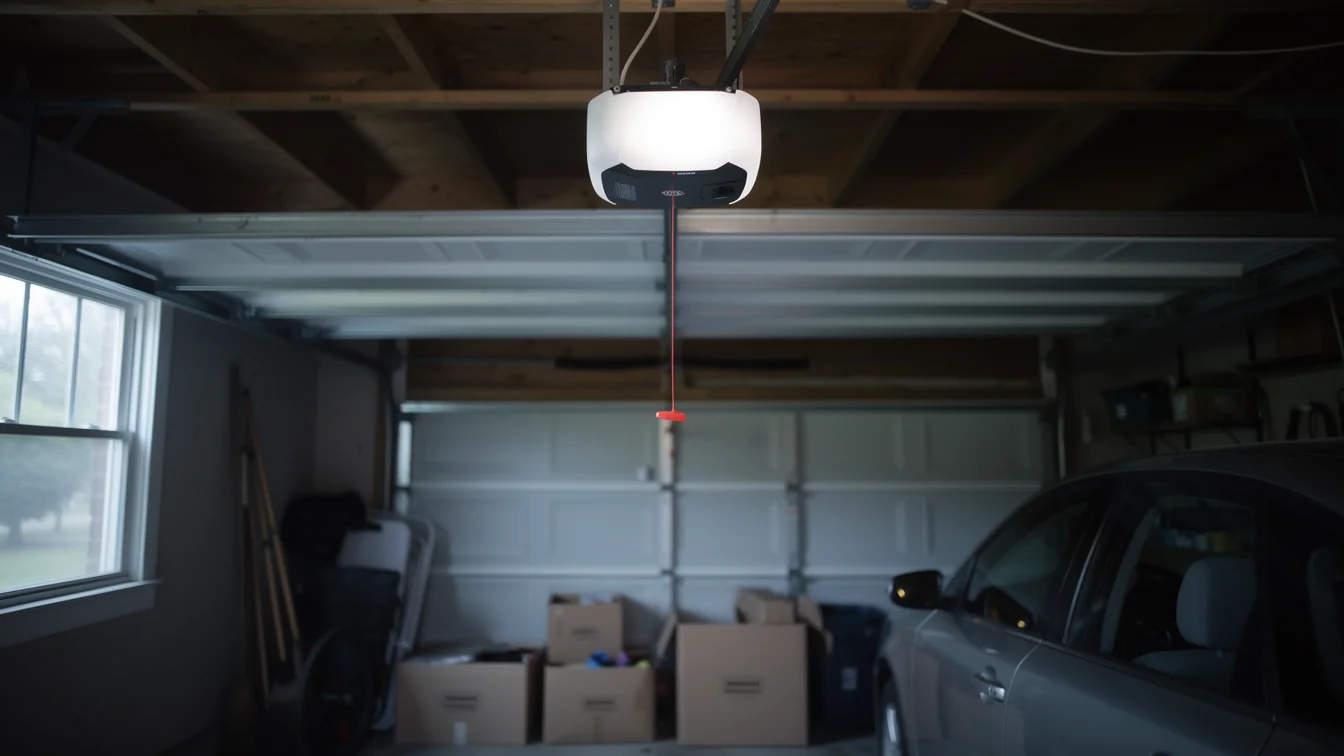
Chula Vista homes built mostly from 1967 to 1985 often have openers without battery backup.
Read more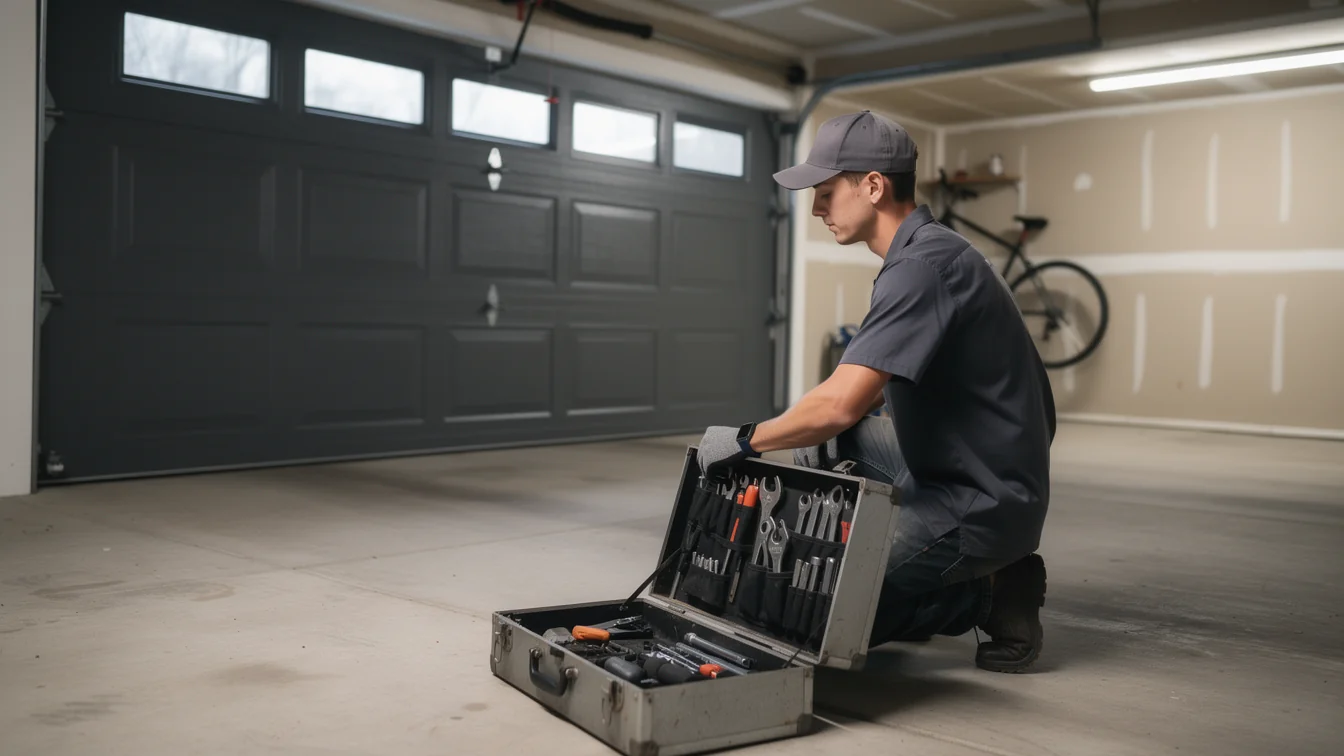
A Chula Vista garage door service call means a full inspection of hardware common to 1967-1985 homes in this mild coastal climate, not just a quick fix.
Read moreReady when you are
Chula Vista Garage Door Pros repairs and installs garage doors, springs and openers in Chula Vista, CA and the surrounding area.