
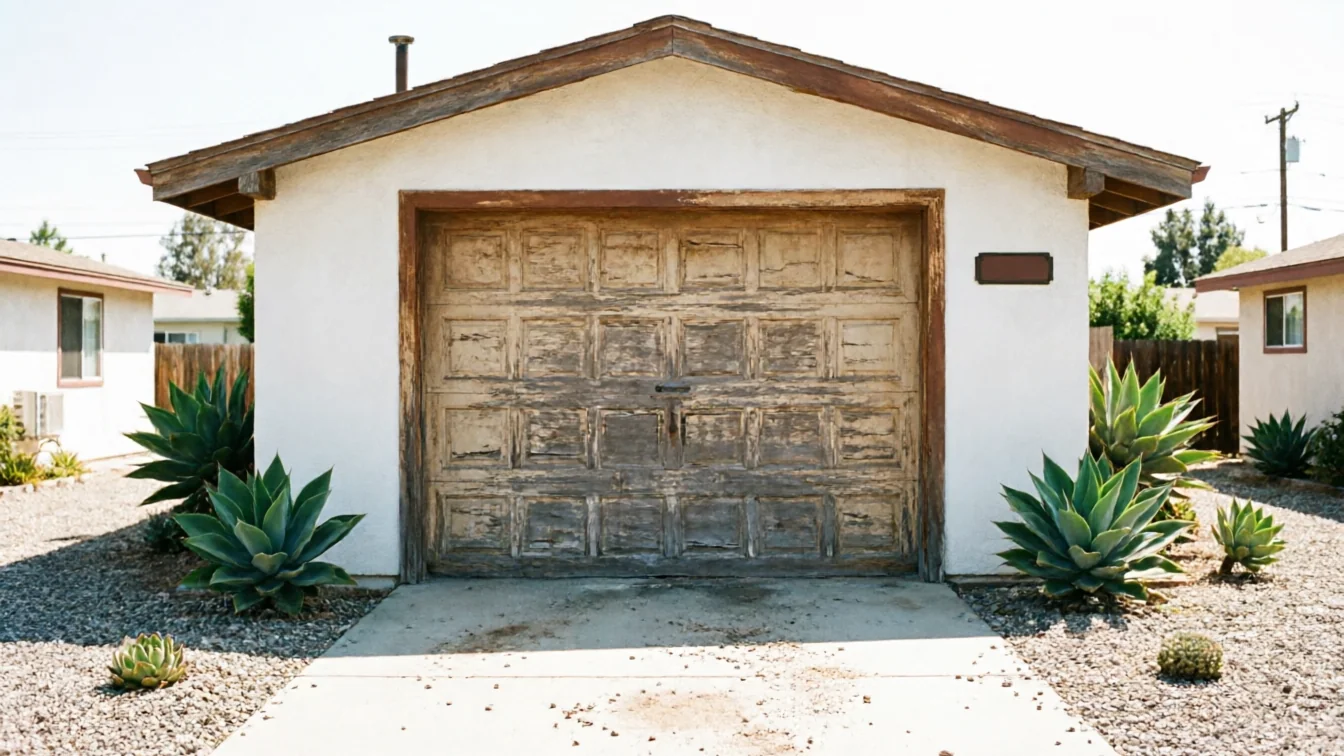
Is Your Older Garage Door Worth Fixing in Chula Vista
A look at when a 1970s-era Chula Vista garage door is worth repairing versus replacing, based on the housing stock and mild coastal climate here.
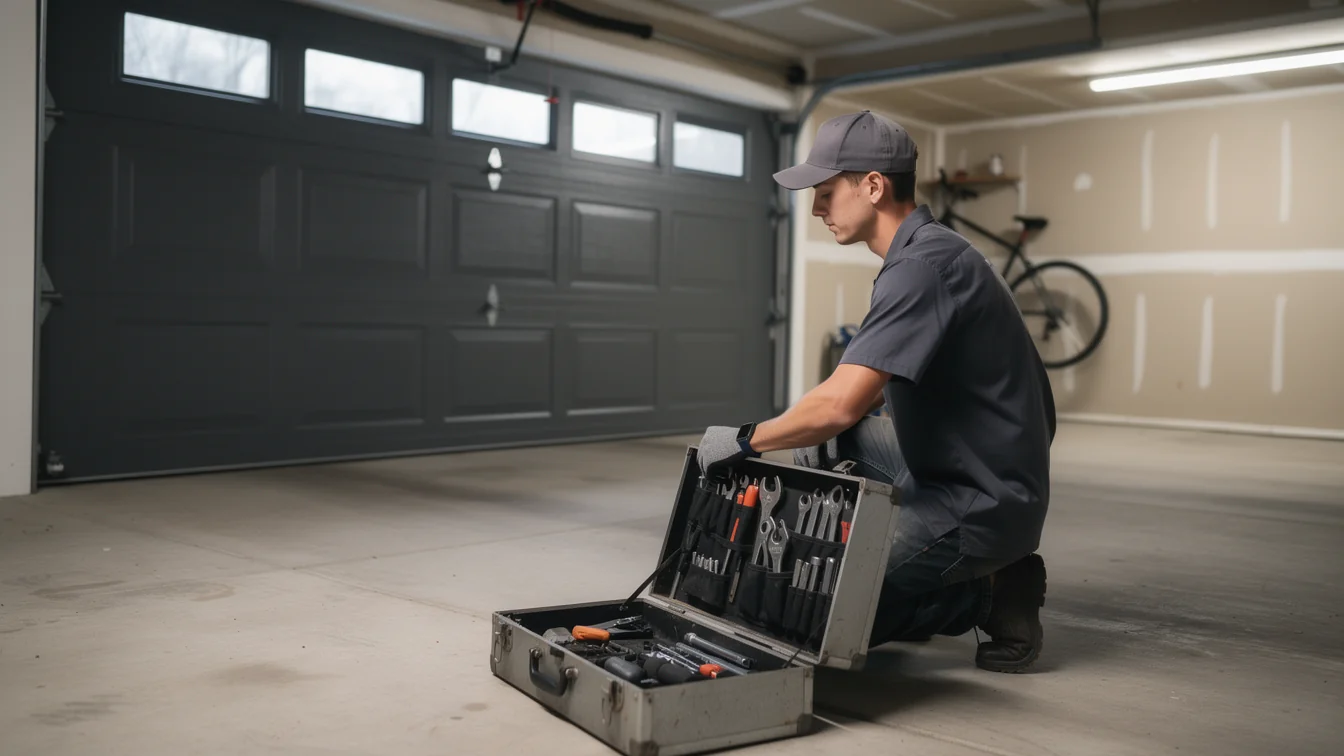
Read moreA Chula Vista garage door service call means a full inspection of hardware common to 1967-1985 homes in this mild coastal climate, not just a quick fix.
Local detail
Not every noise is a reason to call. If your door still opens and closes smooth and the only complaint is a rattle at the top of the track, you can usually wait. Chula Vista's mild temperate climate doesn't put the same stress on hardware that a hard freeze-thaw cycle does, so parts here age slower than they would somewhere with real winters. That buys you time to watch a problem instead of reacting to it.
What you shouldn't wait on is a door that's started to drop unevenly, or a spring that's visibly stretched on one side. With most of the housing stock across Chula Vista going up between 1967 and 1985, a lot of these doors are running original torsion hardware pushing fifty years old. That's not a noise problem anymore, that's a part at the end of its life. The honest answer: if the door is quiet and level, let it be. If it's not, don't wait for it to get worse, because torsion springs don't fail gently - they fail all at once.
The area
A real service call isn't just lubing a track and calling it done. We're checking the spring wind and cable condition first, because across the 17 named areas we cover - Bonita, Eastlake Greens, Otay Mesa, Paradise Hills, and the rest - the housing stock is mostly 1960s and 70s construction, and that means original torsion hardware sized for doors that are heavier and older than anything sold today.
After the spring, we look at the rollers and track alignment, the opener's force settings, and whether the panel seams still line up square. On a house built in the mid-70s, it's common to find a door that's been re-skinned or had an opener added decades after the original install, which throws off balance in ways a quick glance won't catch. We're not guessing at what's wrong - we're working backward from what a door built in that era is likely to have worn out first, and confirming it by hand.
What we find
The mistake we see most is a homeowner assuming a sprayed-on lubricant or an opener reset fixes a balance problem. It doesn't. If a door from the 1970s is dropping on one side, the spring is losing tension unevenly, and no amount of WD-40 on the rollers changes that. It just buys a few quieter weeks before the same symptom comes back worse.
The second mistake is swapping in a generic replacement part that doesn't match the original torsion hardware from that build era. A door engineered in 1975 wasn't built to today's spec, and mixing a modern opener with fifty-year-old drums and cable drums is where we see premature failures come back to us as a second call. The honest limitation here: we don't always have a drop-in match for original hardware that old. Sometimes the right call is replacing the whole assembly rather than chasing a part that isn't made anymore.
How we work
Chula Vista's climate band is mild temperate, which means the hardware on these doors isn't getting hammered by the freeze-thaw cycling that cracks seals and snaps springs in colder regions. That's good news - it's part of why doors built in 1975 are still running at all. But mild doesn't mean maintenance-free. It means the failures we see are driven almost entirely by age and use, not weather, which is a different diagnosis than a cold-climate tech would make.
Across the service area - from Bonita three miles out to Lakeside seventeen miles out - we're working on the same core housing generation, whether the address is in Eastlake or Otay Mesa West. With roughly 43,965 owner-occupied houses in this area, a lot of garages still carry the one-piece door and side-mounted torsion setup nobody stocks new. That's the piece every service call has to account for before anything else.
Questions
If the door is quiet, moves level, and the opener responds normally, you probably don't need us yet. If it's dropping on one side, grinding, or the spring looks stretched or gapped, that's a service call - those symptoms point to hardware wear, not something a homeowner fix resolves.
Most houses across Chula Vista went up between 1967 and 1985, and a lot of that original torsion hardware was built to last. Combined with a mild climate that doesn't stress metal the way freeze-thaw regions do, it's common to find springs and drums from the original install still in place decades later.
It means less weather-driven failure - no freeze-thaw cracking seals or snapping springs. It doesn't mean no maintenance. Age and use still wear out cables, rollers, and spring tension on a fifty-year-old door regardless of climate.
Not always. Some of the torsion hardware from that build era isn't made anymore, and a generic replacement part doesn't always fit right. On those calls, replacing the full spring or opener assembly is often the more honest answer than chasing a part that doesn't exist.
Recommendation
More garage door guides for Chula Vista homeowners.
A look at when a 1970s-era Chula Vista garage door is worth repairing versus replacing, based on the housing stock and mild coastal climate here.
Read more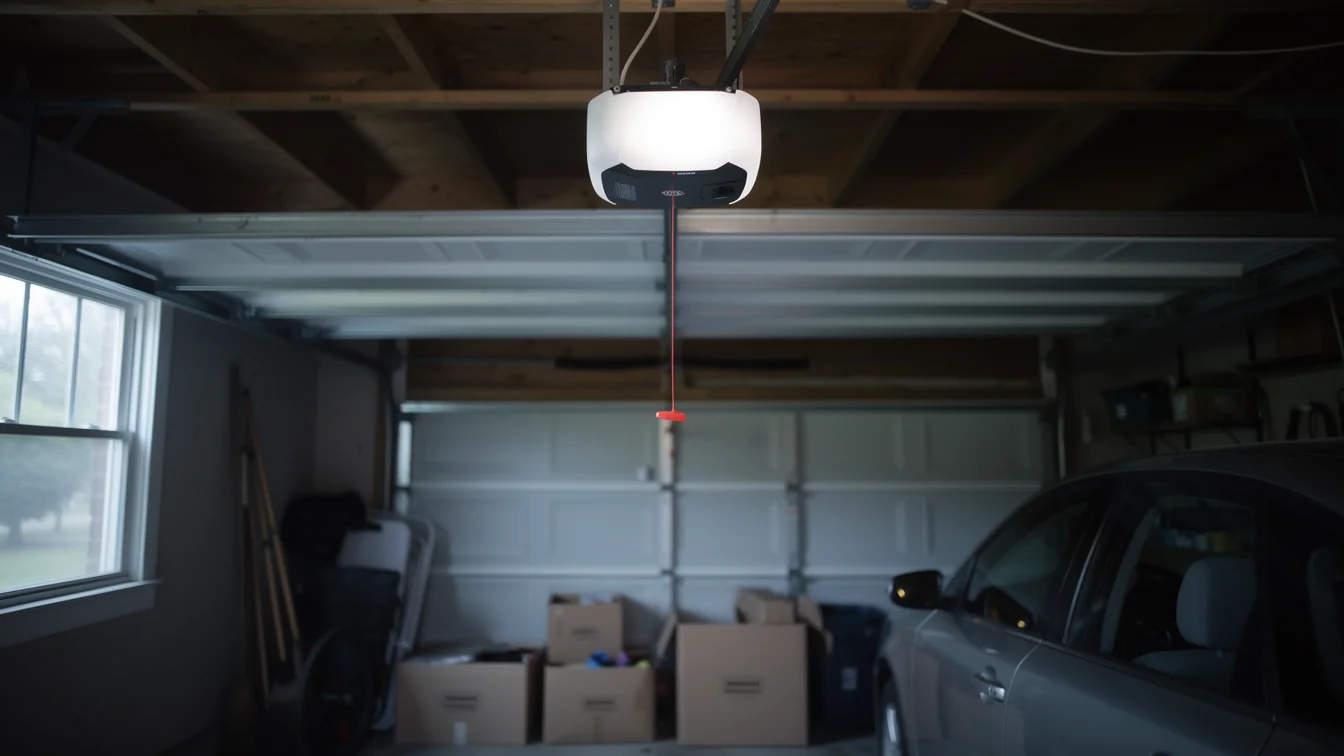
Chula Vista homes built mostly from 1967 to 1985 often have openers without battery backup.
Read more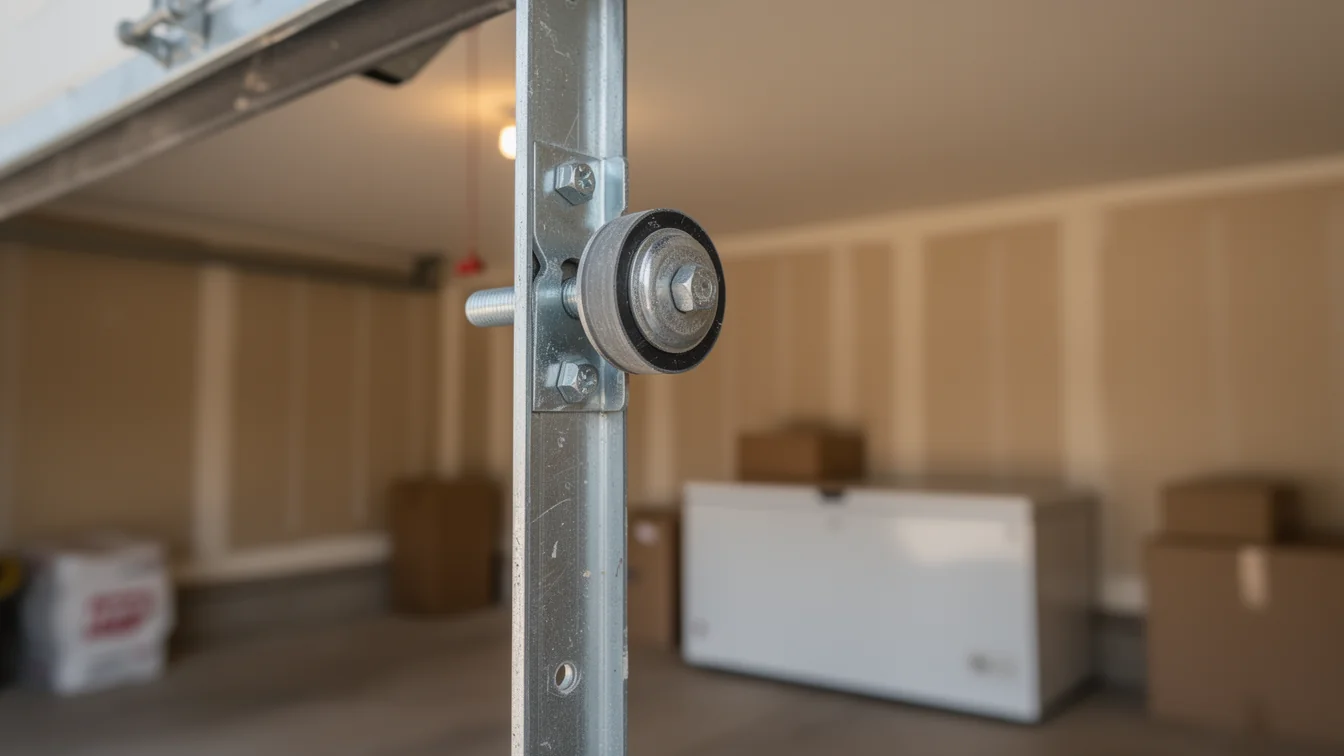
Chula Vista homes built mostly from 1967 to 1985 have original torsion hardware that wears unevenly, and that's why doors drift off track over the years.
Read moreReady when you are
Chula Vista Garage Door Pros repairs and installs garage doors, springs and openers in Chula Vista, CA and the surrounding area.