
Chula Vista, CA
Garage Door Maintenance in Chula Vista
Garage door maintenance for Chula Vista homes built 1967-1985, where mild temperate air hides wear until springs and openers fail without warning signs.
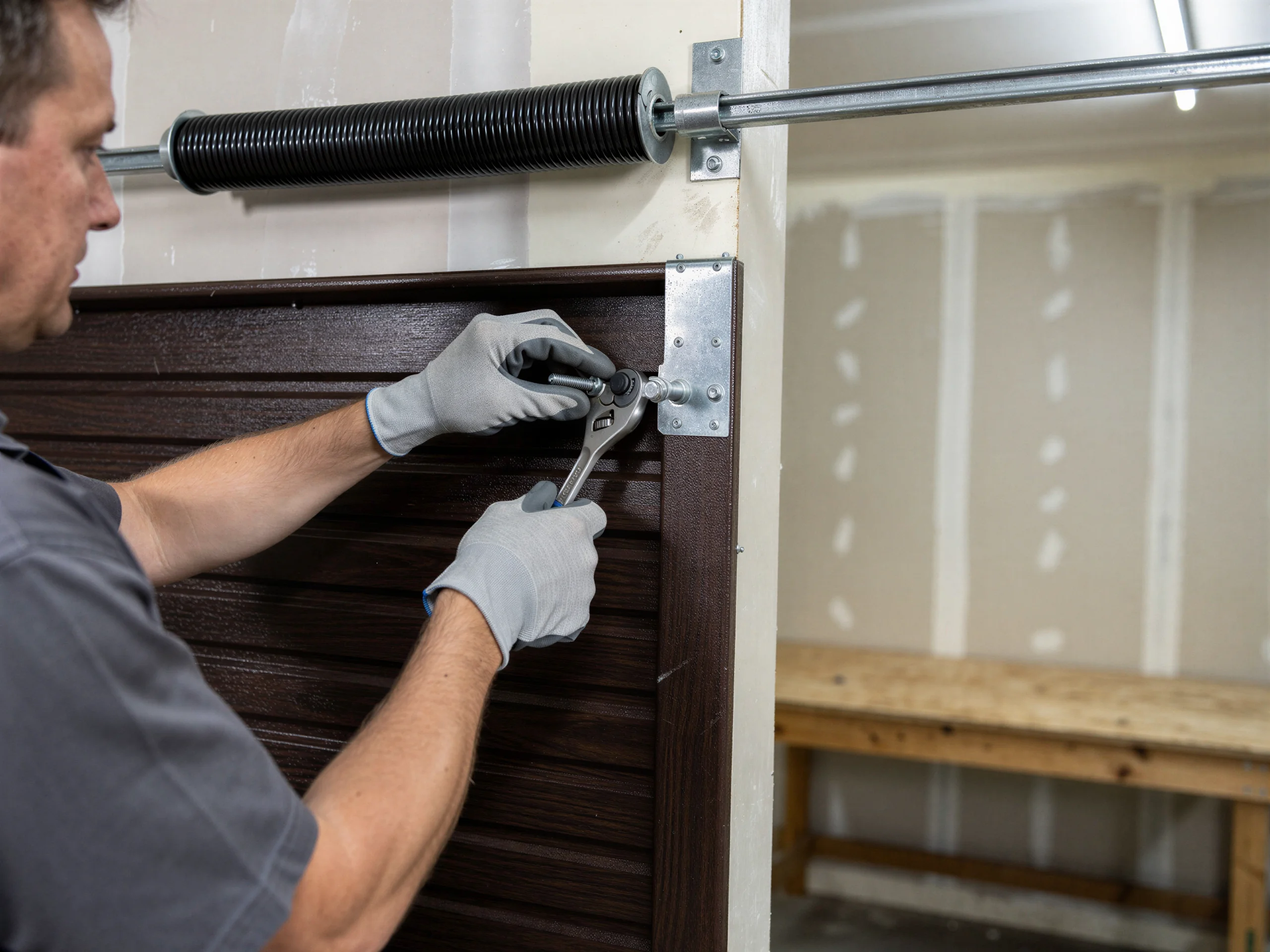
Can You Do This Yourself
Some of it, yes. Once a month, pull the release handle, run the door by hand, and feel for binding or a spot where it gets heavy - that's a spring losing balance before it ever breaks.
Track alignment check
Wipe the tracks down and check that both are bolted to the frame at the same angle; a track that's crept out of line is one of the most common reasons a door starts rubbing or jumping off its rollers. Put a light oil, not grease, on the hinges and rollers twice a year, and wipe the photo-eye sensors clean so the opener doesn't throw a false reversal.
Off-limits spring tension
What we don't recommend you touch: the torsion spring itself, or the cables that carry that tension. A door spring is wound under enough force to break a bone or worse if it lets go while you're working on it, and there's no safe way to eyeball whether a 50-year-old spring has another winter of travel left in it.
Homeowner-safe fasteners
Bolts, brackets, and the opener's force settings are fair game for a careful homeowner. Spring tension and cable replacement are not - that's the one honest line we draw, and it's there because the job has hurt people who skipped it.
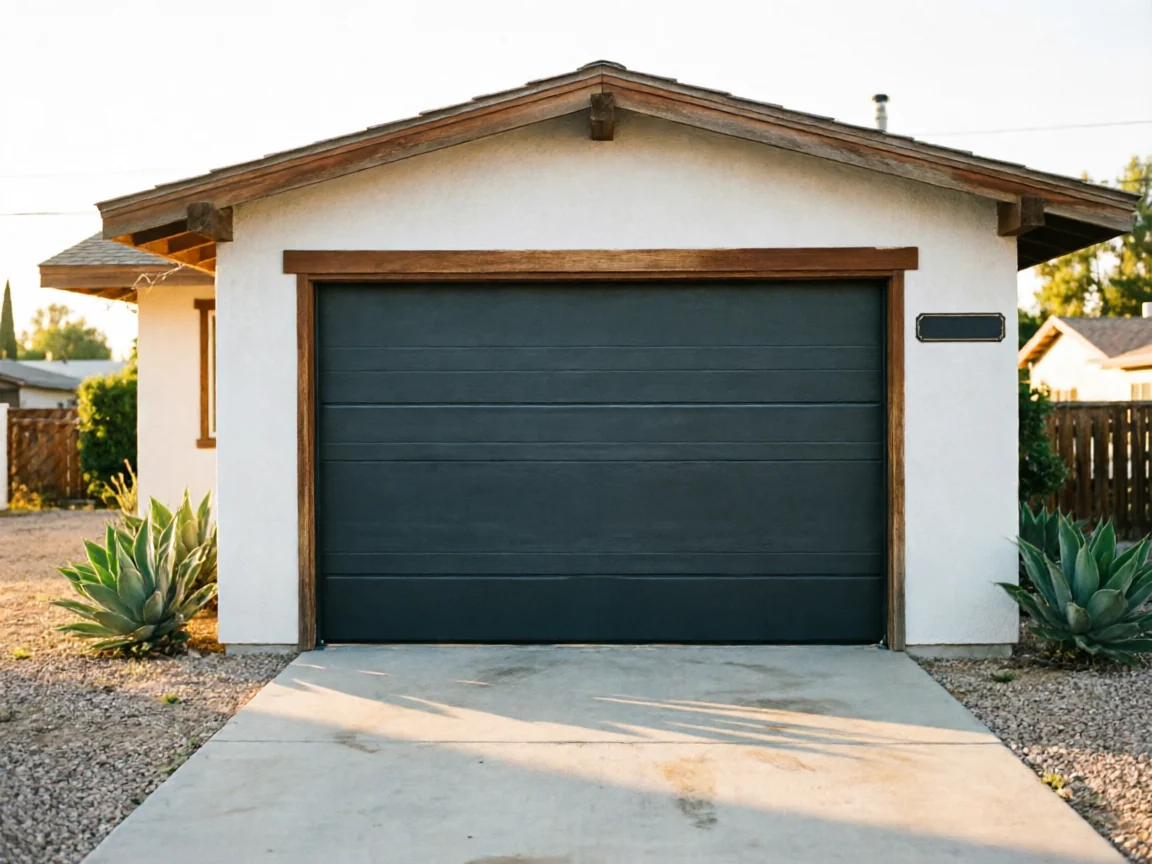
Why It Happens Here
Most of the houses we work on went up between 1967 and 1985, with a median build year around 1975, and that pattern holds across the whole stretch of 1960s-70s stock we see in every one of the 17 areas we cover, from Bonita to Rancho San Diego. A door and opener installed when a house was built in 1975 is pushing 50 years old now, and a lot of that original hardware is still in the ceiling.
Here's the part that catches owners off guard: Chula Vista's mild temperate climate never forces the issue. There's no hard freeze that seizes a track, no monsoon season that rusts a spring out in a single bad year. In a harsher climate, a door tells you it's failing - it groans, it sticks, it won't close in the cold. Here, a worn spring or a dry hinge just keeps working, a little worse each month, until one day it doesn't. The lack of weather stress is exactly why maintenance has to be scheduled instead of weather-triggered. Nothing forces your hand, so the hardware ages out quietly instead of loudly, and the first sign most owners get is the door stopping mid-cycle.
The Symptom
The early signs are small and easy to write off. The door starts a half-second late off the opener's call, or it hesitates about a foot off the floor before continuing.
Grind and crooked travel
You hear a grind or a pop on one side that wasn't there last year - usually a roller or a hinge pin, sometimes a sign the spring is working unevenly. The door looks like it's traveling a little crooked, one side reaching the top before the other, which almost always means the two torsion springs or the two cables aren't carrying equal load anymore.
Aging opener strain signs
On an opener closing in on its original install date, you might notice it straining - a higher-pitched motor sound, or the light flickering as the unit draws more current to do the same lift. None of these stop the door from working that day.
Ignored symptoms until failure
That's the trap. A door can run rough for months before it actually fails, and because nothing forces a repair the way cold or heat would elsewhere, these symptoms get ignored until the day the door just sits on the floor.
What Can Go Wrong
Left alone, a worn spring doesn't fix itself - it snaps, usually on a cold morning or mid-lift, and a door with a broken torsion spring on a double-wide opening is heavy enough to drop fast if the cable goes with it.
Frayed cable injury risk
A frayed cable under tension can whip when it lets go, and that's the injury risk we mentioned earlier: not a theoretical one. An opener forced to compensate for a bad spring works harder than it was built for, and that shortens the life of the gears and the drive belt or chain inside it, which turns a spring repair into an opener replacement if it goes on too long.
Shared 1970s combination risk
Across the service area's 43,965 owner-occupied houses, a good share are still running the same spring-and-opener combination the builder put in during the 1970s, and that's the group most likely to have a fault turn into a stuck door with the car trapped inside.
Yearly check affordability
A median household income of $100,052 means most owners here can afford a yearly check. The mild weather just never reminds them to book one - that's on us to flag, not on the climate to force.
Questions
Common questions
How often should I have my garage door serviced in Chula Vista?
Once a year is enough for most doors here, since the mild climate doesn't add the extra wear that cold or coastal salt air can cause elsewhere. If your door is original to a house built in the 1960s or 70s, we'd lean toward checking it twice a year instead, since the hardware is old enough that small problems move faster.
Can I lubricate my own garage door, or should I call someone?
Lubricating hinges, rollers, and the track is a fine DIY job - a light oil twice a year goes a long way. Adjusting spring tension or replacing a cable is a different matter; that hardware is under enough force to cause serious injury, and we'd rather you call for that part of the job.
Why does my 1970s garage door still work fine with no maintenance?
Chula Vista's mild temperate climate doesn't put the kind of stress on hardware that freezing winters or heavy humidity do, so a worn spring or dry hinge can keep limping along for years without an obvious failure. That doesn't mean it's not wearing out - it means you won't get a warning until it stops.
Explore more
Explore More Services In Chula Vista, CA
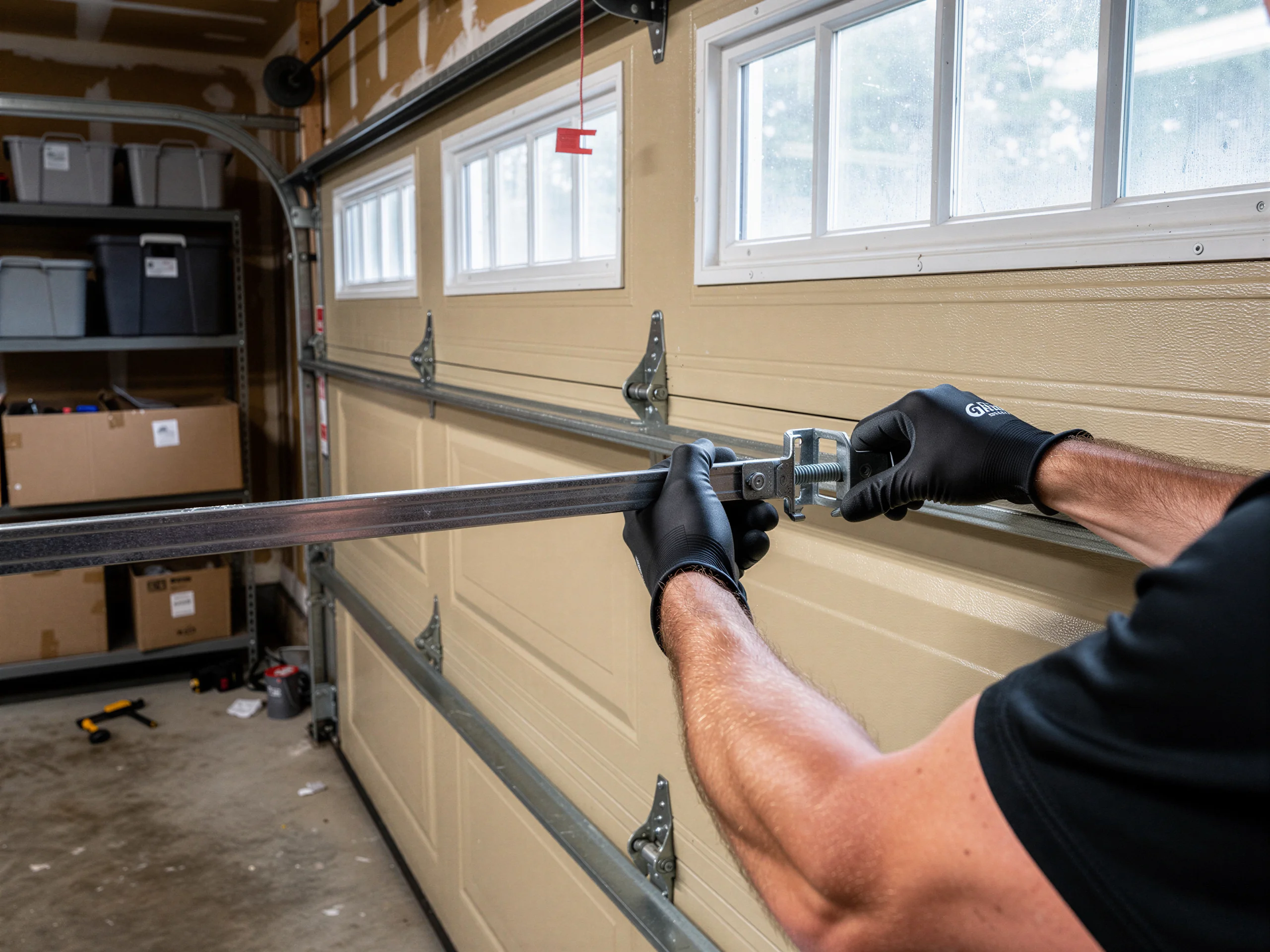
Garage Door Repair for Chula Vista's 1970s Housing Stock
Garage door repair for Chula Vista homes built 1967-1985, where original torsion springs and worn rollers are now reaching the end of their service life. Learn more →
Garage Door Service for Chula Vista's 1970s Housing Stock
Chula Vista homes built between 1967 and 1985 are hitting the age where original springs and openers wear out. Learn more →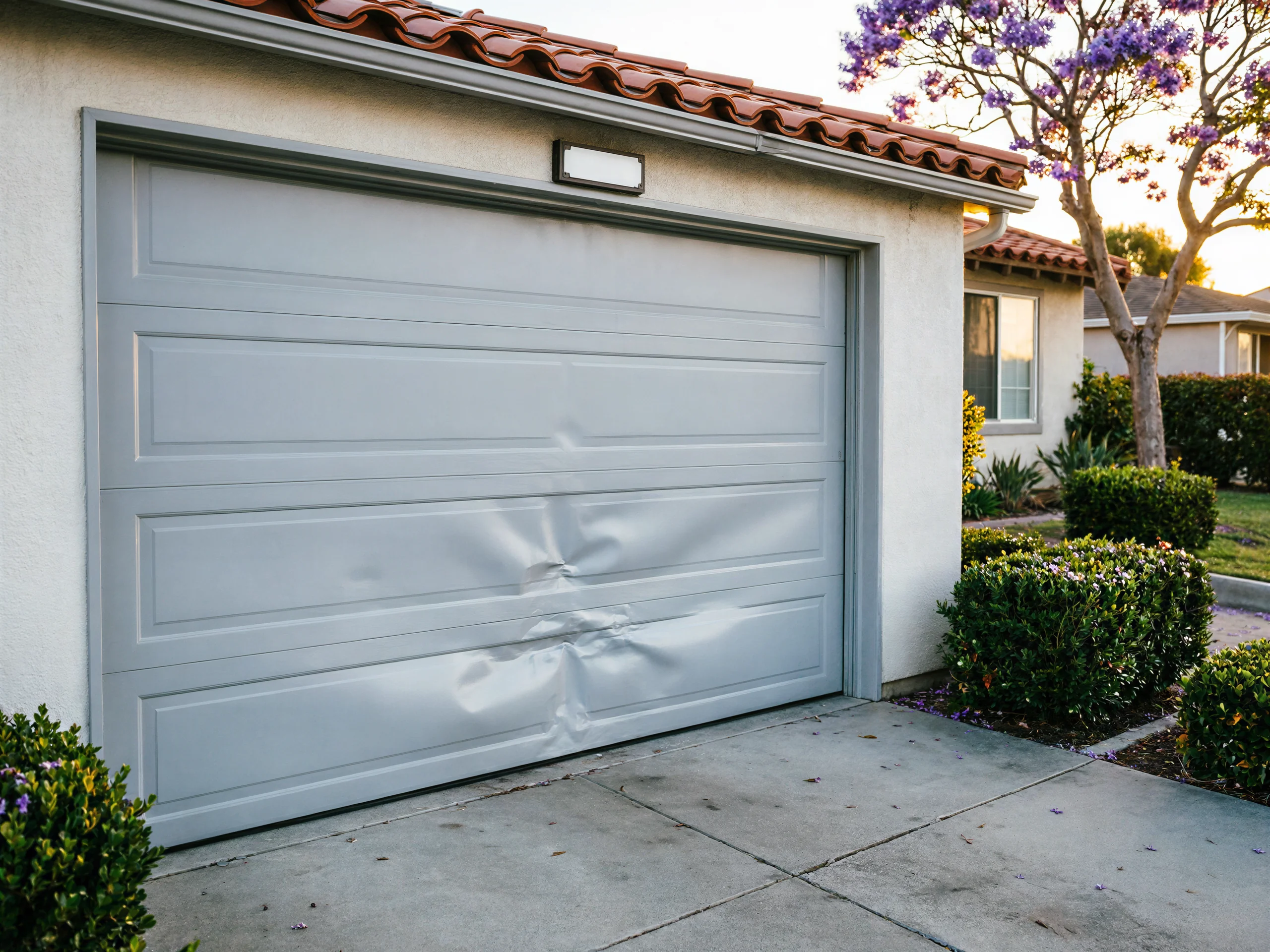
When a Garage Door Panel Needs Replacing in Chula Vista
Cracked or dented garage door panels on Chula Vista homes built from the 1960s through the 1980s. Learn more →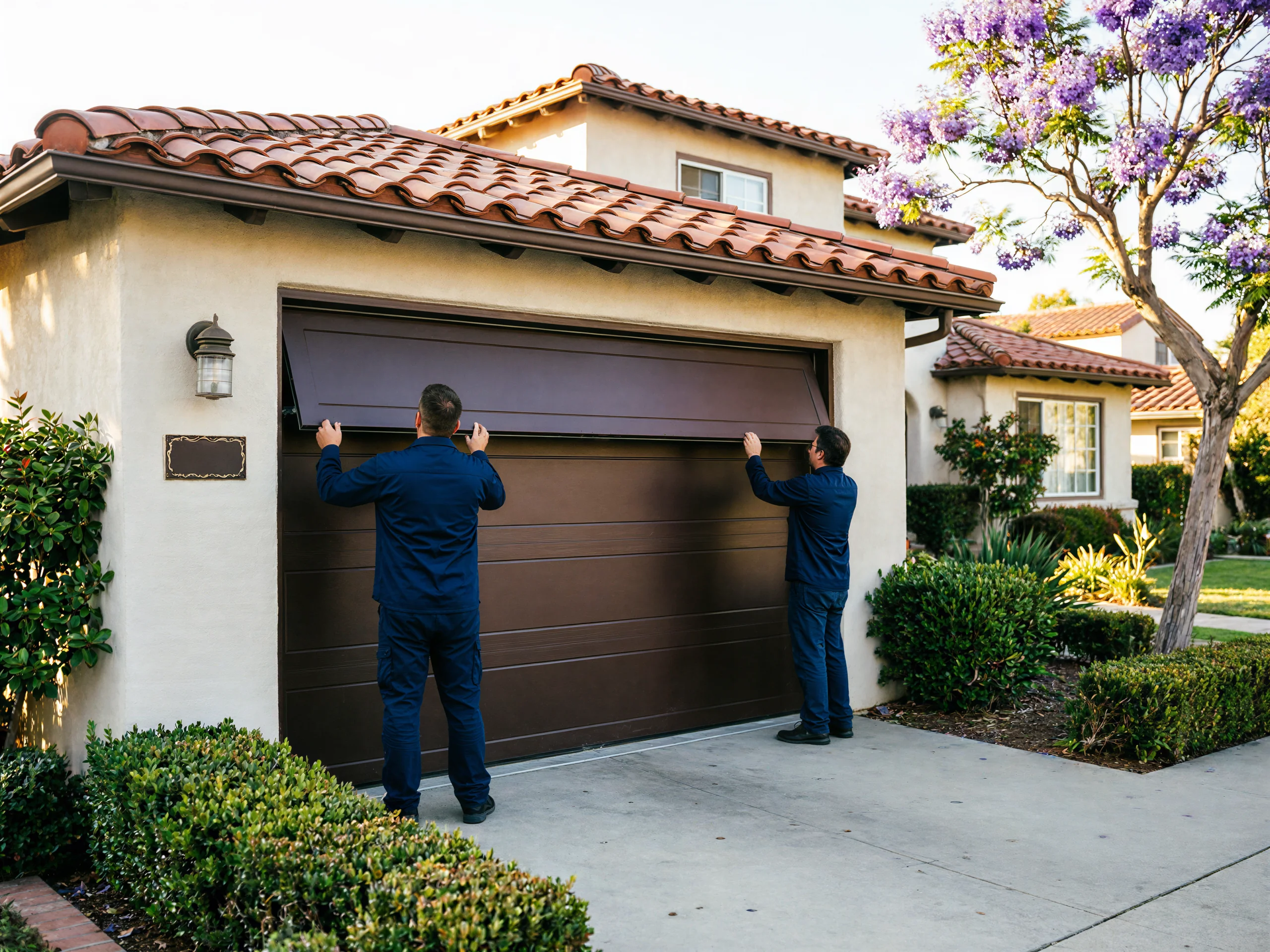
Garage Door Installation, Chula Vista
New garage door installation for Chula Vista homes built 1967-1985, from Bonita to Otay Mesa. Learn more →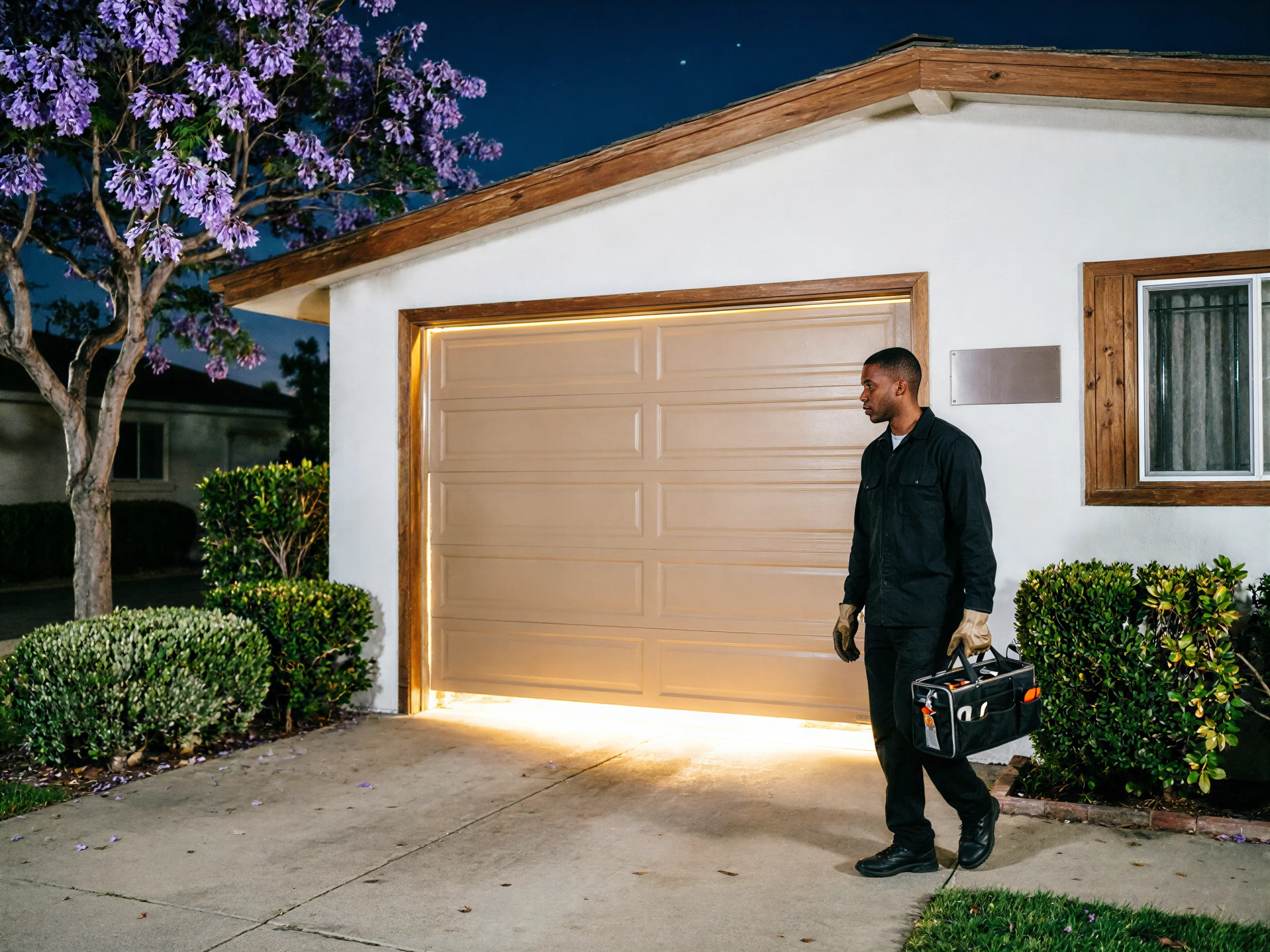
24/7 Emergency Garage Door Repair Across Chula Vista
Spring snapped, door stuck shut, opener dead at 10pm. Learn more →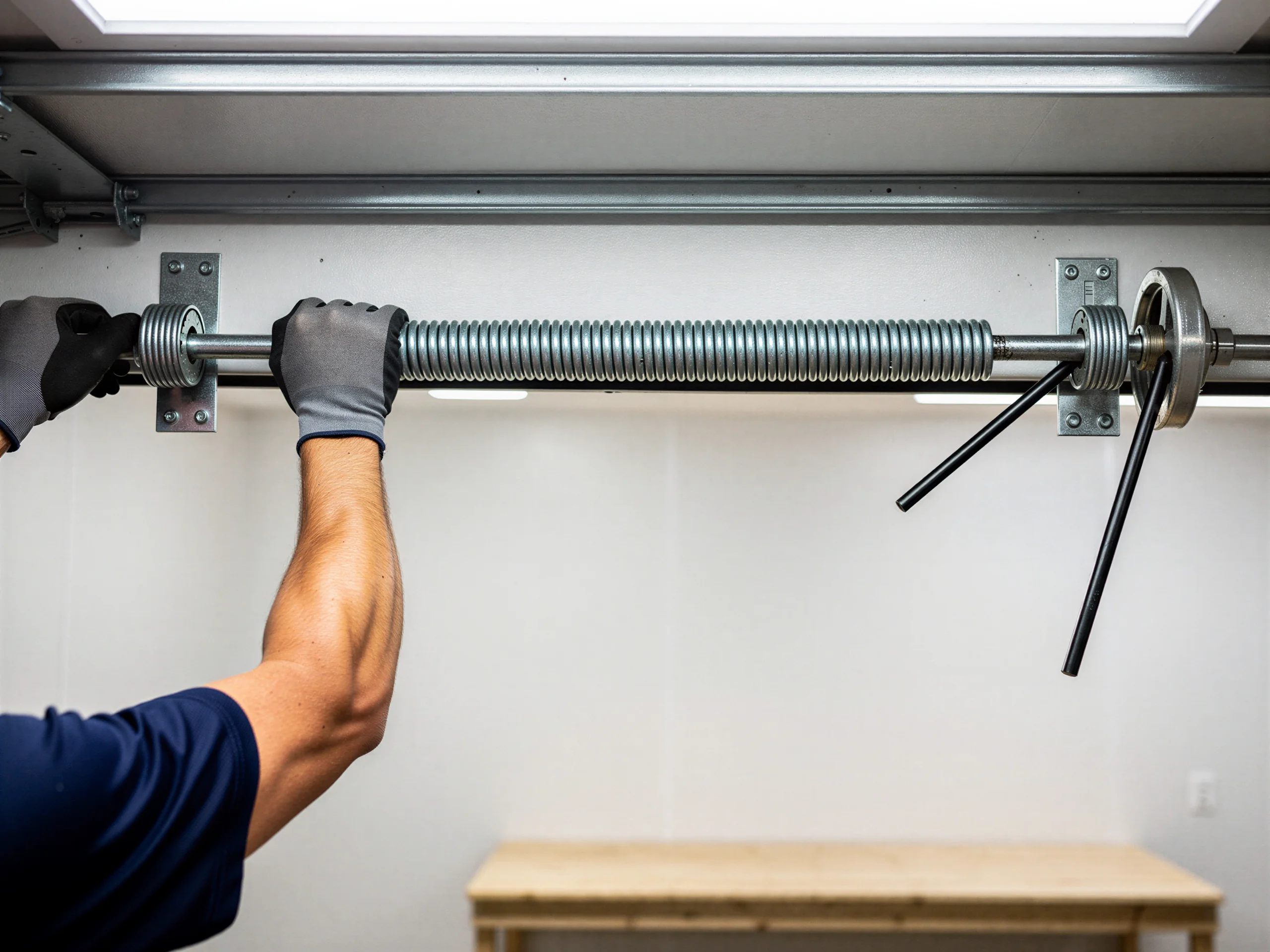
Garage Door Spring Repair Across Chula Vista
Torsion and extension spring repair for Chula Vista homes built 1967-1985. Learn more →Ready when you are
Need a garage door sorted in Chula Vista?
Chula Vista Garage Door Pros repairs and installs garage doors, springs and openers in Chula Vista, CA and the surrounding area.