
Chula Vista, CA
Garage Door Repair for Chula Vista's 1970s Housing Stock
Garage door repair for Chula Vista homes built 1967-1985, where original torsion springs and worn rollers are now reaching the end of their service life.
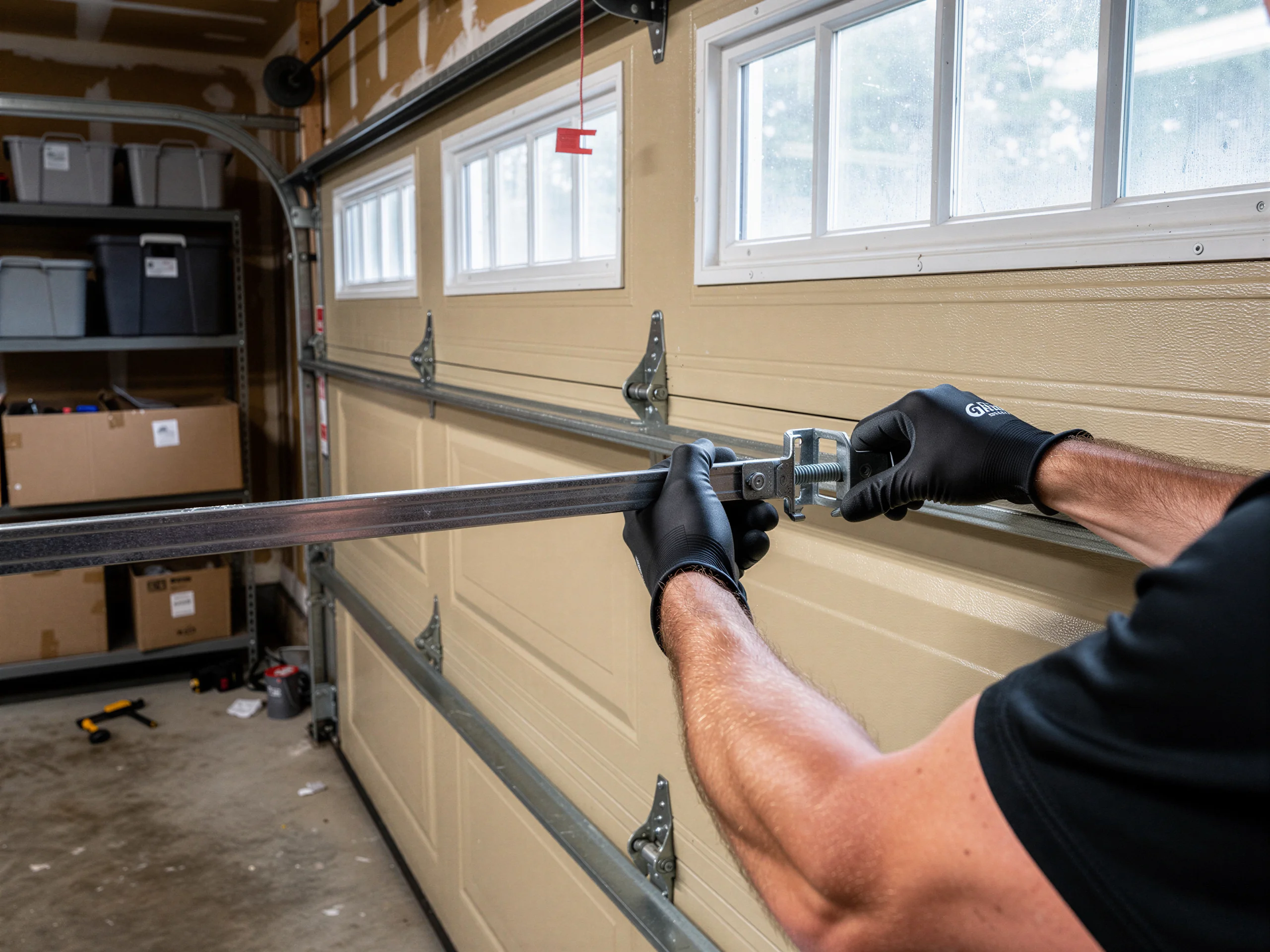
Can You Do This Yourself
A torsion spring under tension can break a finger or worse, and most of the doors we see in Chula Vista's older neighborhoods still run on the original spring and drum setup from the 1967-1985 building era.
Spring problems not DIY
If your door is stuck halfway, won't lift, or slams down fast, that's a spring problem, not a project for a Saturday afternoon with a ladder. There's a shorter list of things worth doing yourself: tightening loose bolts on the track, clearing debris from the floor sensors, checking that the wall button and remote batteries are fresh, and vacuuming out the tracks so rollers aren't fighting dust.
Safe homeowner tasks
Those take ten minutes and no special tools. Anything involving the spring, the cable, or the drum at the top of the track is a two-person job with the right bars and clamps, and it's not where you want to learn on the fly.
Better safe than DIY
We'd rather get a call for a $20 part than a call from someone who tried to wind a spring themselves. That's the honest limit of what a homeowner should touch here.
Why It Happens Here
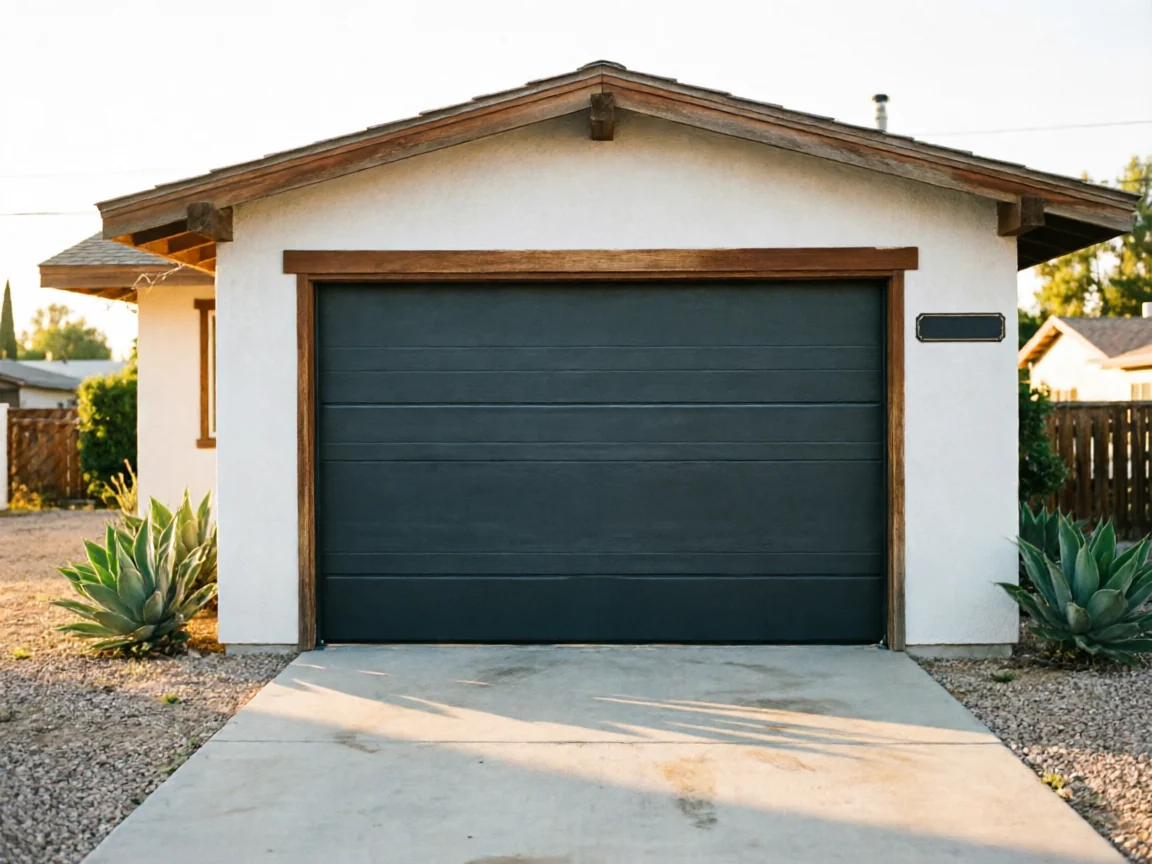
Most of the houses across Chula Vista and the surrounding 17 named areas we work in - from Bonita and Rancho del Rey to Eastlake Greens and Bay Terraces - were built between 1967 and 1985, with the median landing around 1975. That means a lot of the original garage door hardware is now 40 to 55 years old, and torsion springs are rated for a set number of open-close cycles, not a set number of years. Once a spring hits the end of that cycle count, it breaks, usually without warning.
The mild temperate climate here actually works against early detection. Without freeze-thaw cycles or heavy humidity swings, there's no seasonal stress that makes a weak spring groan or a track bind before it fails outright. Doors here just run quietly until the day they don't. Owners in colder climates get warning creaks for months; here the spring often goes from fine to snapped with no notice.
So the pattern we see across this service area isn't storm damage or flood warping - it's straightforward mechanical fatigue in doors and openers that have simply been cycling for decades longer than their hardware was built for.
The Symptom
The call we get most from this part of San Diego County sounds the same: the door was fine yesterday, and this morning it won't lift, or it lifts six inches and stops, or it comes down faster than it should and thuds on the floor.
Bang and motor-only symptoms
Sometimes there's a loud bang from the garage first - that's the spring letting go. Other versions: the opener motor runs but the door doesn't move, which usually means a cable has come off the drum rather than the spring itself.
Uneven lift one side
Or the door is lifting unevenly, higher on one side, which points to one spring holding while its twin has already failed on a double-spring setup. We also hear about doors that have started sagging in the middle - rollers worn out of round after tens of thousands of cycles, common in original hardware from the 1967-1985 construction wave.
Non-cosmetic load damage
None of these are cosmetic. A door that's fighting its own springs puts extra load on the opener's gears, and that's a second repair waiting to happen if the spring issue sits too long.
What Can Go Wrong
Leave a broken torsion spring alone and the door usually still looks closed, which is the dangerous part - people keep using the opener, and the opener motor takes on load it was never built to carry.
Opener gear damage
We see stripped gears and burned-out motors in openers that were otherwise fine, all because they were asked to lift a door with no spring assist for a few extra weeks. There's also the cable risk. A spring under uneven tension can snap a cable, and a cable under tension that lets go can whip hard enough to dent the door panel or crack a window if one's nearby.
Discontinued panel sections
On original 1970s-era doors, panels are often past the point where a matching replacement panel exists, so a dent from a whipped cable can mean replacing the whole section rather than one piece. We won't pretend every job is a quick fix.
Replace versus patch decision
If the opener has already burned out from fighting a dead spring, that's a separate repair on top of the spring, and on a door this old, sometimes the honest call is replacement rather than patching forty-year-old hardware piece by piece.
Questions
Common questions
Why did my garage door spring just snap with no warning?
Torsion springs fail by cycle count, not by age showing through creaks or slow movement first. A lot of Chula Vista's garage doors date to the 1967-1985 building era, so the springs are decades into a lifespan rated in open-close cycles. In this mild climate there's no seasonal stress to give early warning, so the spring runs fine until it simply lets go.
Is it safe to keep using the opener if the door feels heavy?
No. If the door feels heavy or only opens partway, the spring is likely already compromised and the opener motor is doing work it wasn't built for. Keep using it that way and you risk burning out the motor or stripping the gears, turning one repair into two.
My garage door is original to the house - can it even be repaired?
Often yes for springs, cables, and rollers, since those are standard parts regardless of door age. Panels are a different story - on original 1970s doors, a matching replacement panel may not exist, so a damaged panel sometimes means replacing the section or the full door rather than patching it.
Do you work outside Chula Vista proper?
We cover the surrounding areas as well, including Bonita, National City, Rancho del Rey, Eastlake Greens, Bay Terraces, and the other nearby communities in this part of San Diego County.
Explore more
Explore More Services In Chula Vista, CA
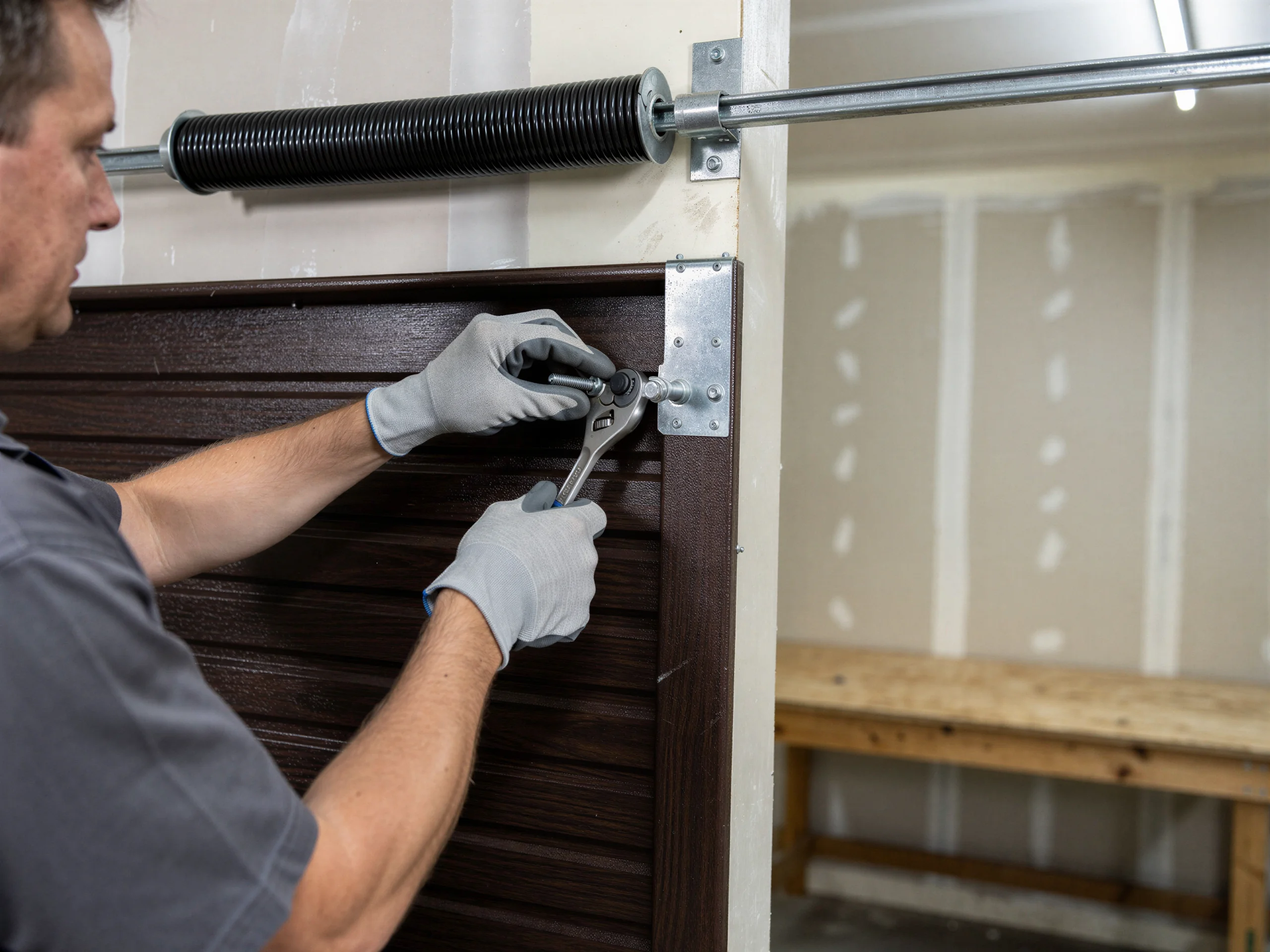
Garage Door Service for Chula Vista's 1970s Housing Stock
Chula Vista homes built between 1967 and 1985 are hitting the age where original springs and openers wear out. Learn more →
Garage Door Maintenance in Chula Vista
Garage door maintenance for Chula Vista homes built 1967-1985, where mild temperate air hides wear until springs and openers fail without warning signs. Learn more →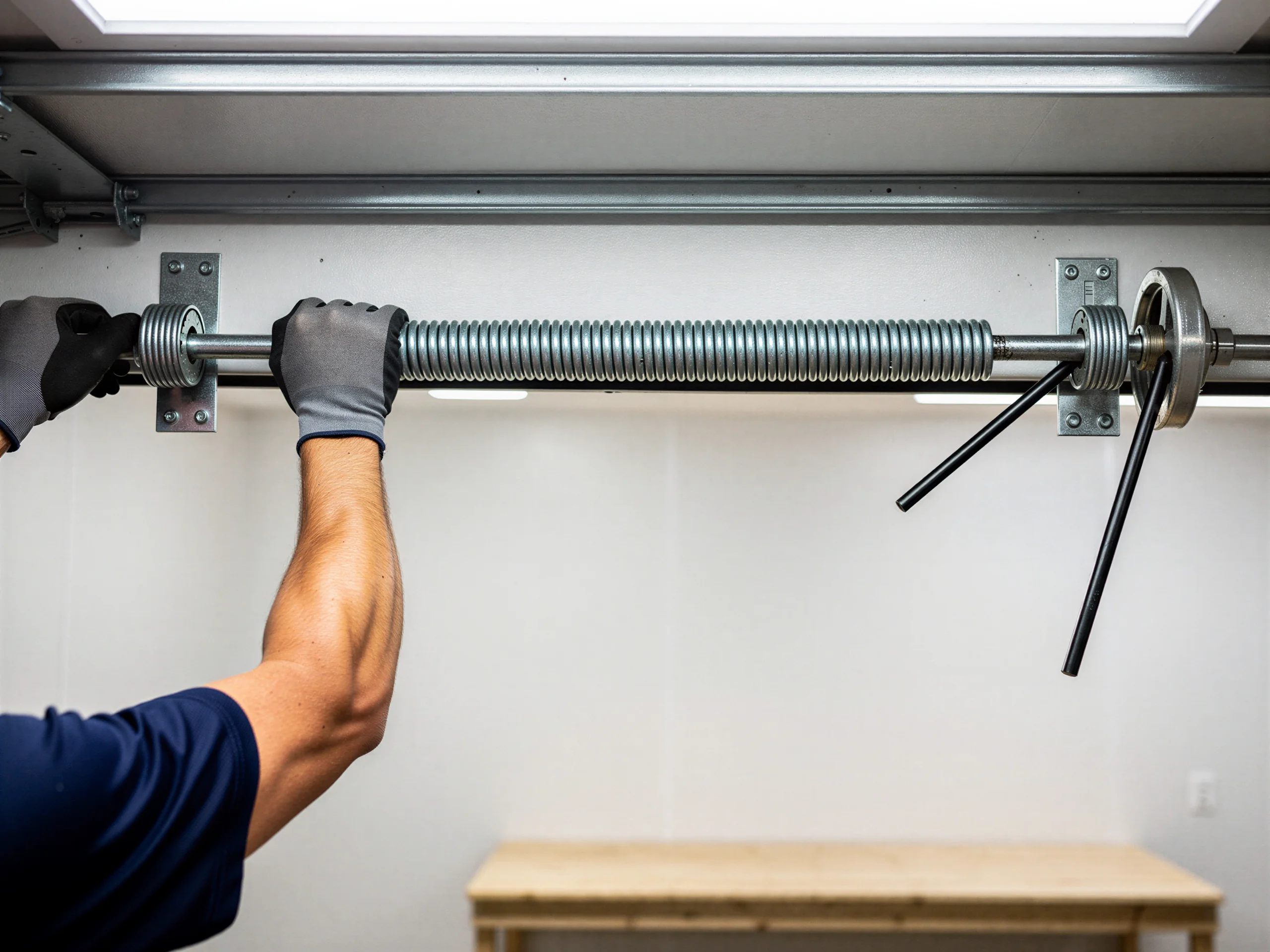
Garage Door Spring Repair Across Chula Vista
Torsion and extension spring repair for Chula Vista homes built 1967-1985. Learn more →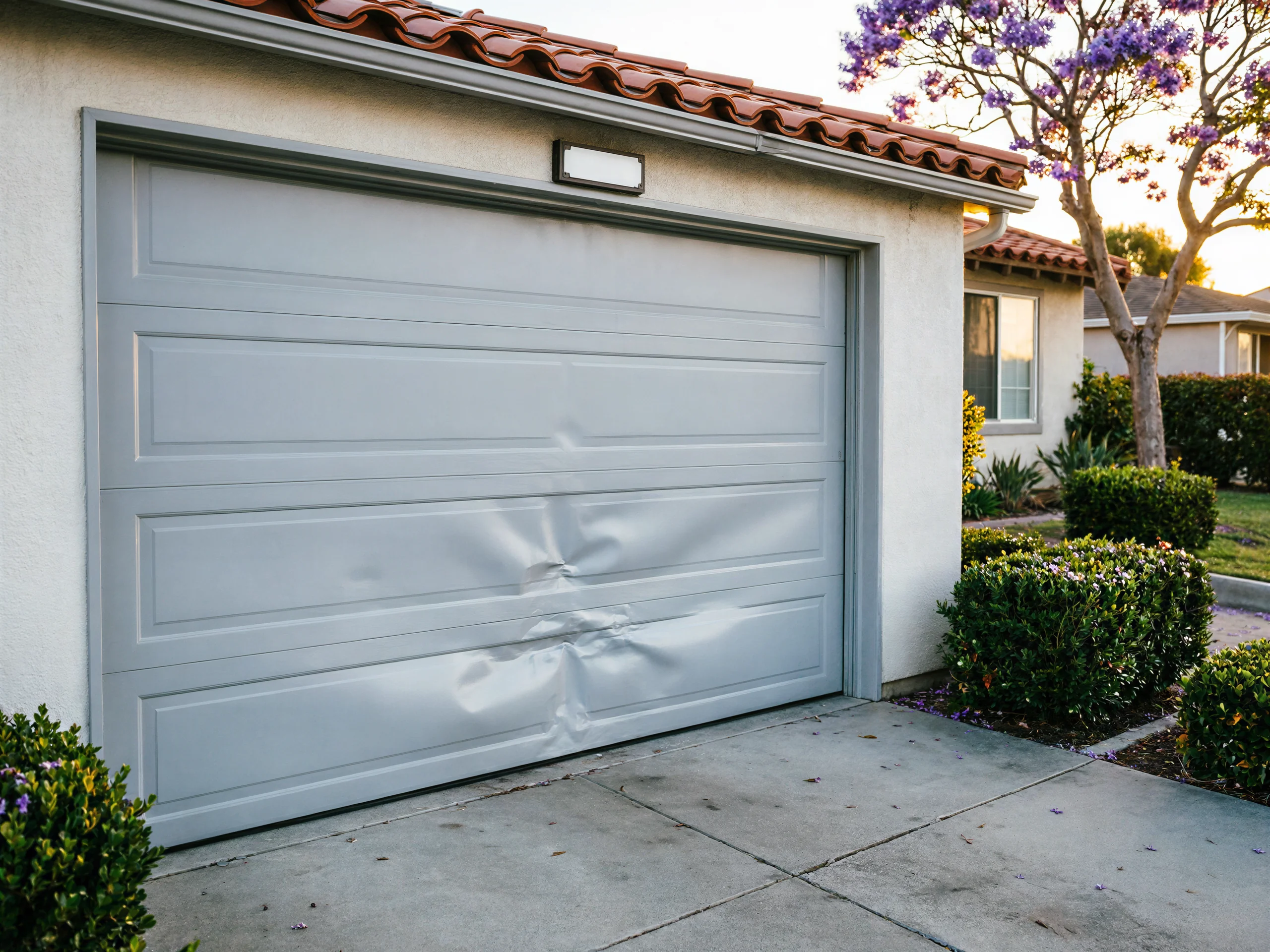
When a Garage Door Panel Needs Replacing in Chula Vista
Cracked or dented garage door panels on Chula Vista homes built from the 1960s through the 1980s. Learn more →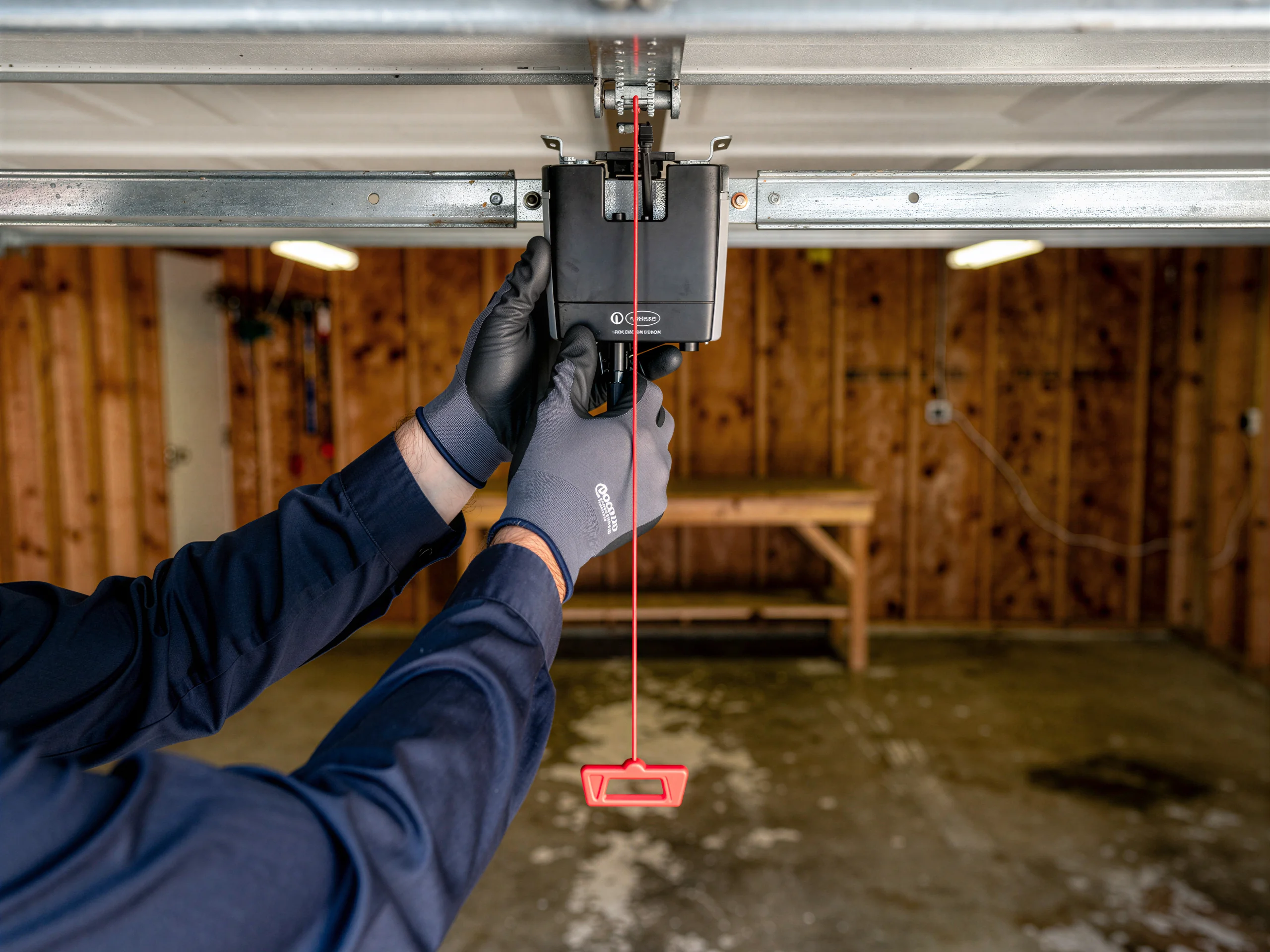
Garage Door Opener Repair for Chula Vista Homes
Opener repair for Chula Vista homes built mostly 1967-1985, from dead remotes to openers that run but won't lift. Learn more →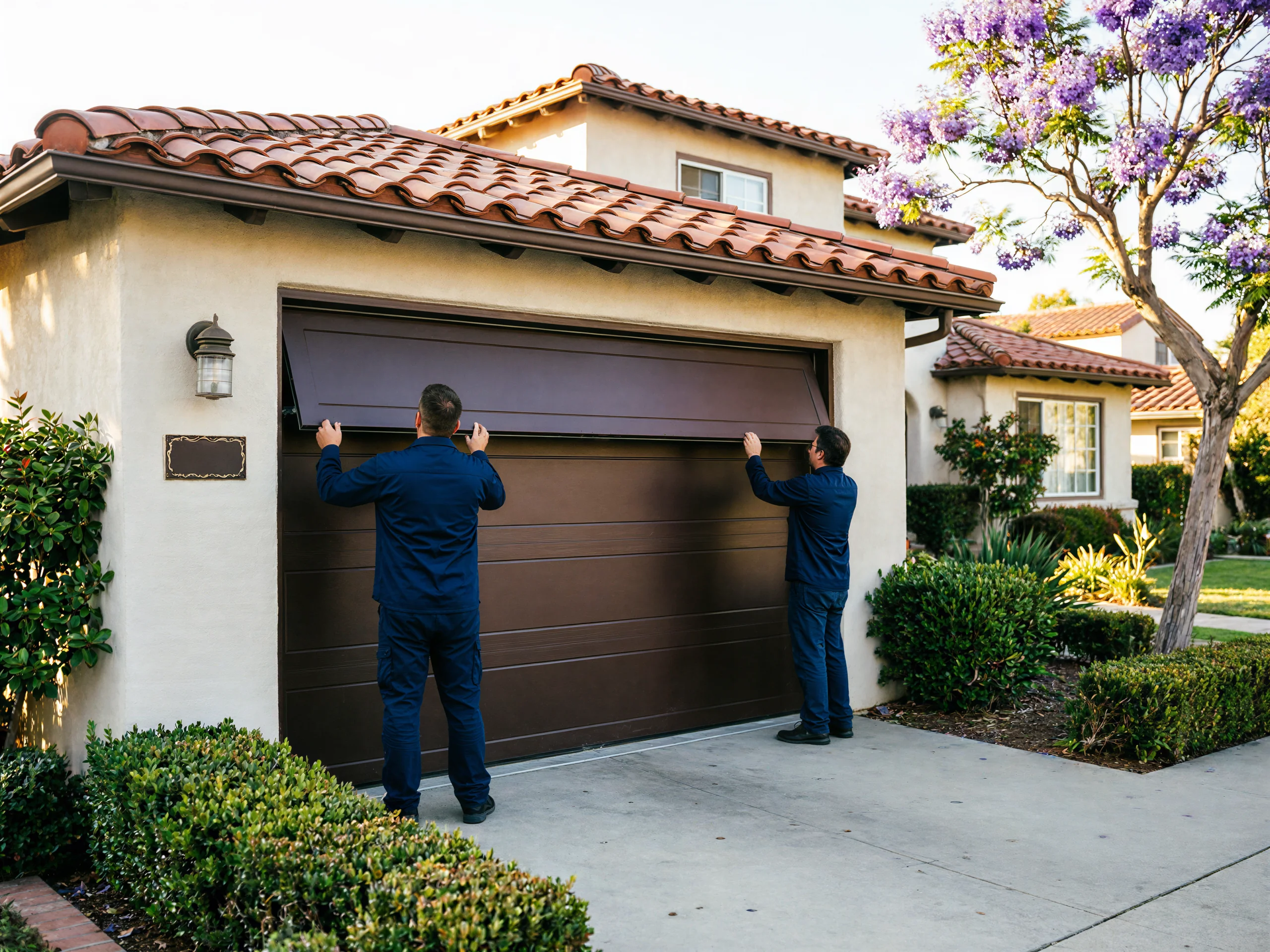
Garage Door Installation, Chula Vista
New garage door installation for Chula Vista homes built 1967-1985, from Bonita to Otay Mesa. Learn more →Ready when you are
Need a garage door sorted in Chula Vista?
Chula Vista Garage Door Pros repairs and installs garage doors, springs and openers in Chula Vista, CA and the surrounding area.