
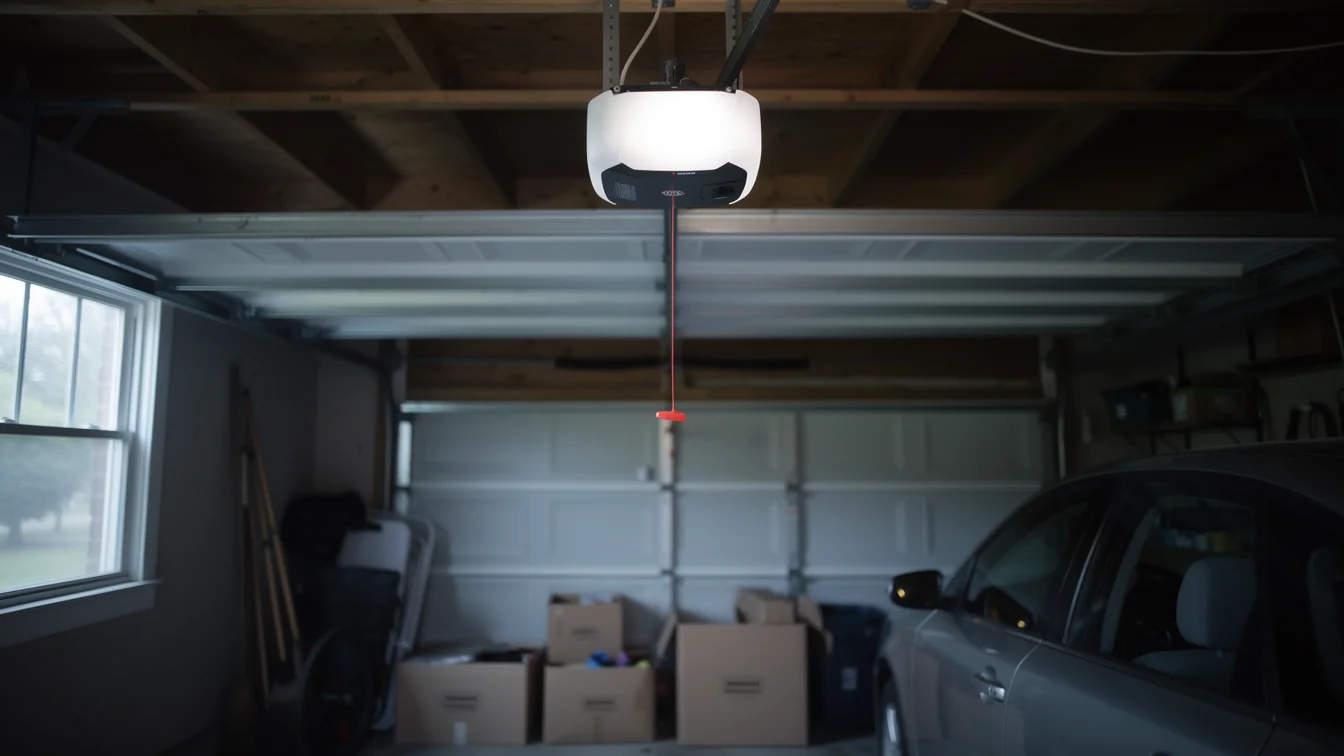
What Happens to Your Chula Vista Garage Door When the Power Goes Out
Chula Vista homes built mostly from 1967 to 1985 often have openers without battery backup.
Read moreChula Vista homes built mostly from 1967 to 1985 have original torsion hardware that wears unevenly, and that's why doors drift off track over the years.
Local detail
If your door rubs the track on one side, or you hear a scrape every time it opens, it's tempting to leave it alone until it actually binds. For a lot of Chula Vista owners that's a reasonable short-term call. A door that's slightly off track but still opening smoothly isn't an emergency.
The problem is what sits underneath that scrape. Most of the housing in this part of the county went up between 1967 and 1985, with 1975 as the rough midpoint, and a door that's been riding slightly bent track since the Carter administration doesn't get better on its own. It wears the roller, then the bracket, then the opener trying to force a door that doesn't want to move straight.
Waiting is fine if you're watching it. Waiting because you haven't looked at it in six months is how a $120 track adjustment turns into a bent panel and a new opener gear. The honest answer: if the door still closes flush and the track gap looks even side to side, you can hold off. If one side has visibly more daylight than the other, don't wait on that one.
The area
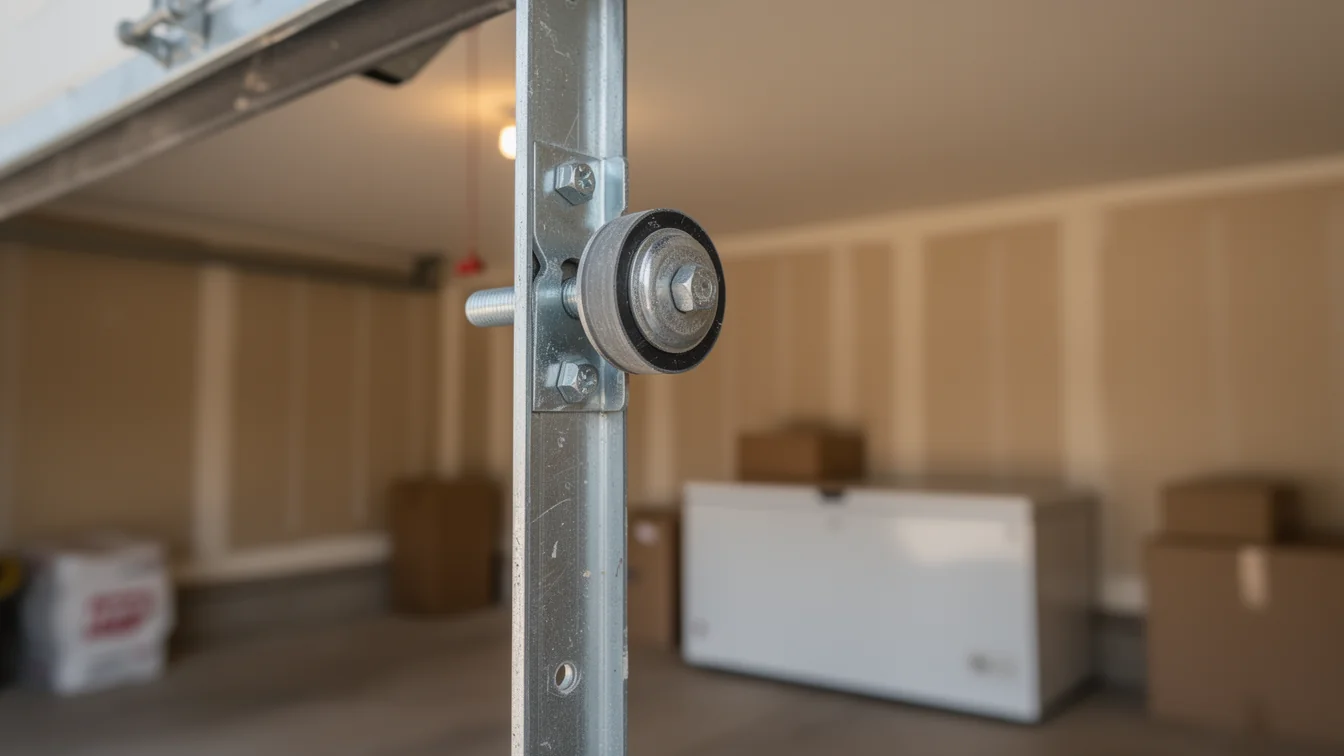
A door goes off track for one of three reasons: the track itself bent or pulled away from the jamb, a roller wore down or cracked, or the cables stretched unevenly so one side of the door is riding lower than the other. On the housing stock common here - built mostly in the 1960s and '70s across the neighborhoods this company covers - the original track brackets were lag-bolted into jamb framing that's now fifty-plus years old. Wood shrinks, screws back out a sixteenth of an inch at a time, and the track that was plumb in 1975 isn't plumb now.
You'll usually notice it as a bang on one side when the door closes, a roller that's visibly chewed down to the pin, or the door physically leaning in the opening when it's halfway up. Sometimes it's just one bent section of track from a car bumper or a kid's bike - that's a straightforward fix. Sometimes it's the whole run of hardware wearing out at once because it's original to the house and nobody's touched it since it was installed.
What we find
The mistake we see most is someone popping the door back onto the track with a rubber mallet and calling it fixed. It will look fixed. The door will go up and down. But if the track got bent in the first place, or the bracket pulled loose from the jamb, hammering the door back into the channel doesn't address either thing - it just re-seats a door that's still running on bad geometry. It comes off again in a few weeks, usually worse.
The second version of this mistake is tightening everything down hard, figuring loose hardware is the whole story. Sometimes it is. More often, on a house from this era, the real issue is that the track bracket has pulled slightly out of the jamb and no amount of tightening the roller bolts fixes a bracket that's not anchored into solid wood anymore. That one needs the bracket reset, not just torque.
To be straight about it: if the track is bent in more than one spot, or the door's been riding off true long enough to warp a panel, replacing that section of track costs less in the long run than keeping it straightened by hand every few months.
How we work
Chula Vista sits in a mild temperate band - no hard freezes, no sustained heat that warps wood framing the way you'd see further inland. That actually works in your favor here: this isn't a climate where track metal contracts and expands enough on its own to pull hardware loose. When a door in this area goes off track, it's almost never the weather doing it. It's age and use.
Across the roughly 127,255 households and 43,965 owner-occupied houses in the areas this company covers - stretching from Bonita three miles out to places like Lakeside seventeen miles away - the housing is overwhelmingly from that same 1960s-70s wave. That means a lot of original jamb framing, original track brackets, and rollers that have never been swapped. With a median household income around $100,052 across the service area, most owners here can afford to replace worn hardware properly rather than keep re-seating a door that's going to come off again. Plenty still put it off anyway, which is understandable - it just tends to cost more once it's deferred.
Questions
Look at the gap between the door edge and the jamb on both sides while it's closing. If one side has noticeably more gap than the other, or the door visibly leans as it travels, it's off track. Noise alone - squeaking, light rattling - is more often a dry roller or loose hinge, not a track problem.
You can, but if the track is bent or the bracket's pulled from the jamb, forcing the door back in just hides the real problem until it happens again. On original hardware from a 1960s-70s build, that's usually a bracket or track issue, not something a mallet fixes for good.
Not usually. The mild temperate climate here doesn't put much thermal stress on track metal the way sharp freeze-thaw cycles do elsewhere. When doors in this area go off track, it's almost always wear on original hardware or a one-time impact, not the weather.
Recommendation
More garage door guides for Chula Vista homeowners.
Chula Vista homes built mostly from 1967 to 1985 often have openers without battery backup.
Read more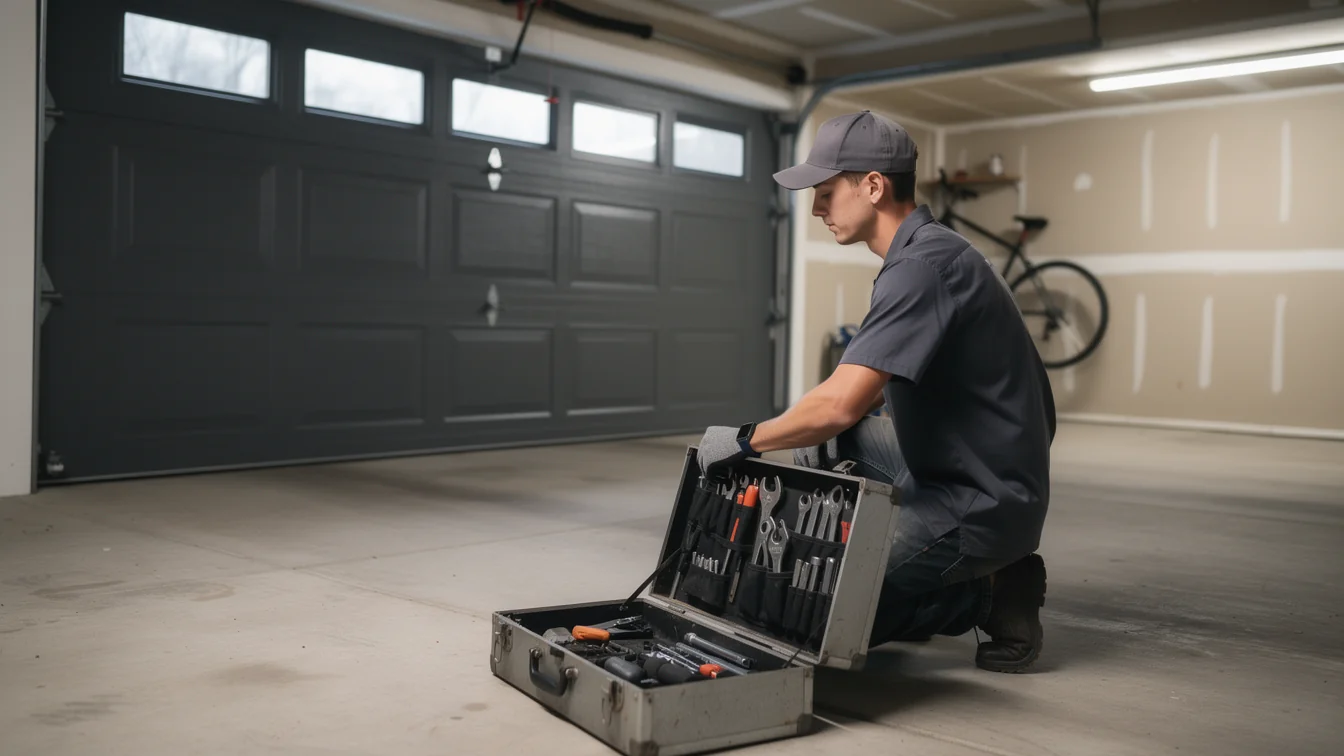
A Chula Vista garage door service call means a full inspection of hardware common to 1967-1985 homes in this mild coastal climate, not just a quick fix.
Read more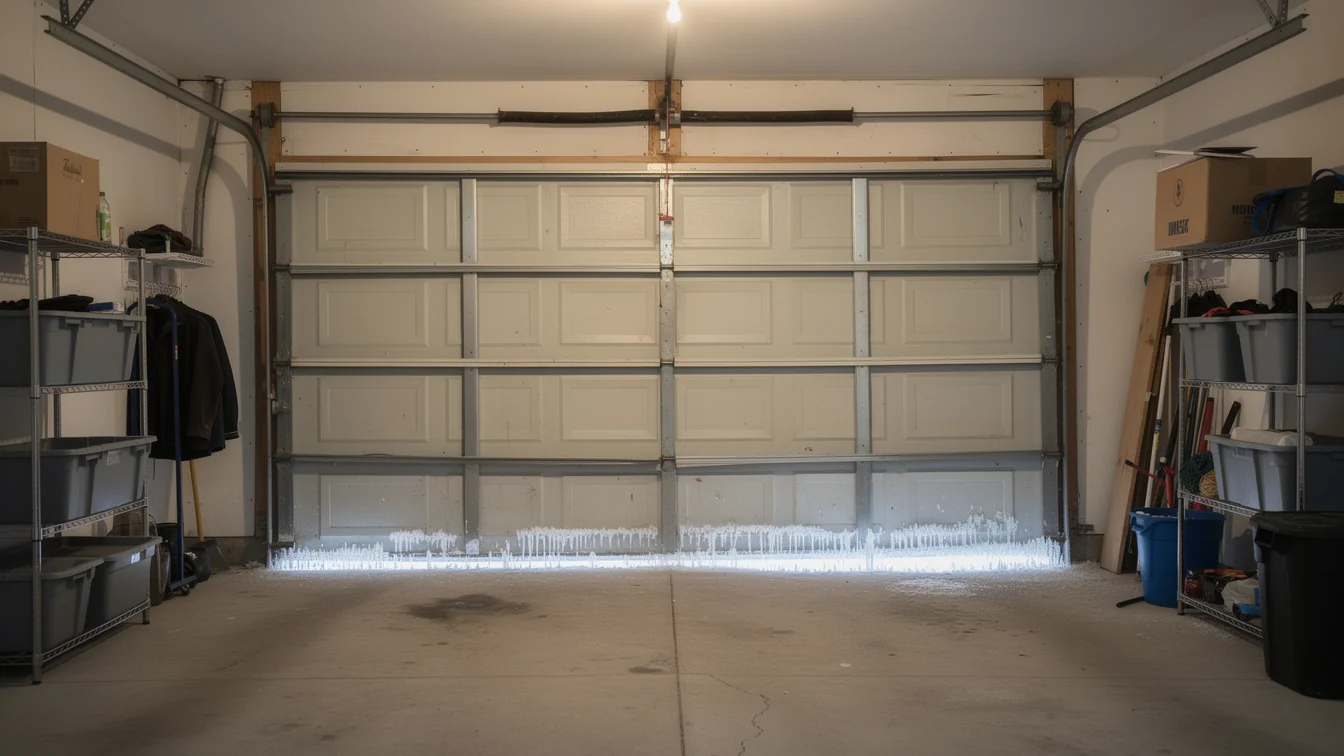
Most Chula Vista garage doors date to the 1967-1985 building boom, before insulation codes existed.
Read moreReady when you are
Chula Vista Garage Door Pros repairs and installs garage doors, springs and openers in Chula Vista, CA and the surrounding area.