Why Garage Doors Drift Off Track in Chula Vista
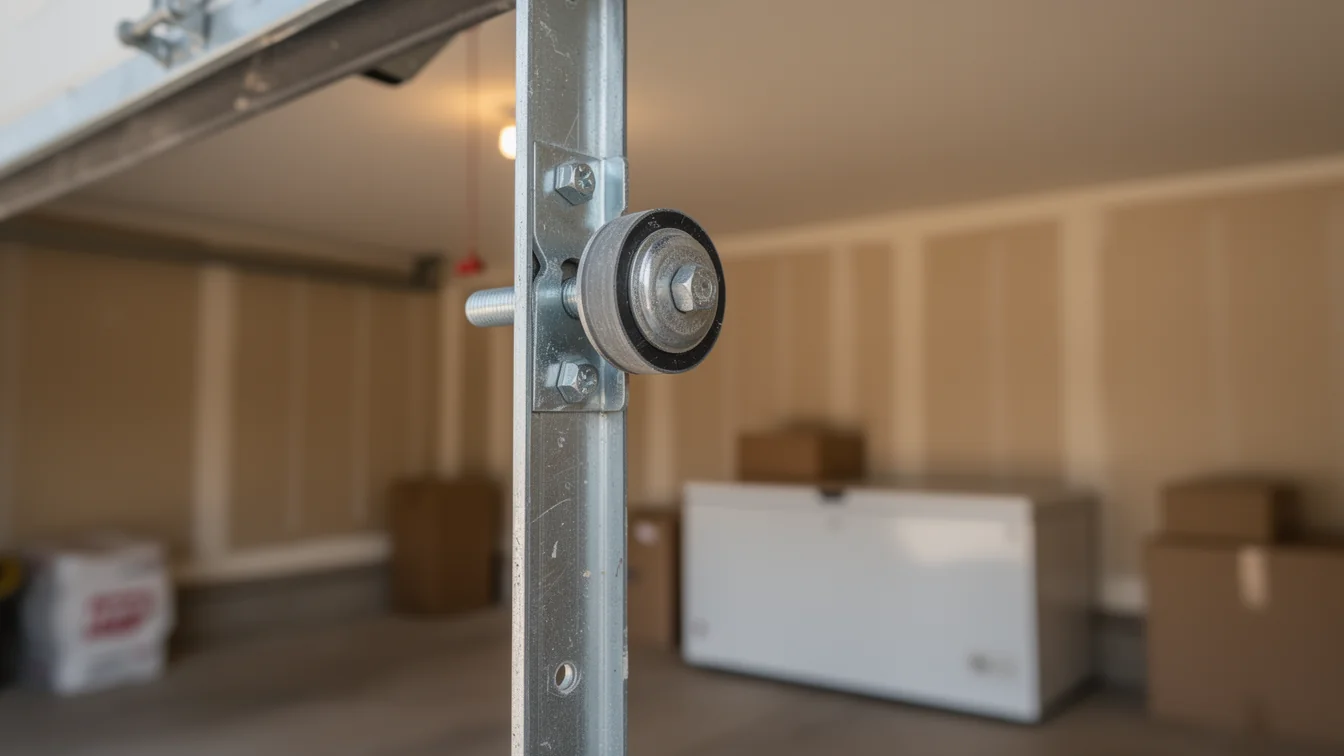
Chula Vista homes built mostly from 1967 to 1985 have original torsion hardware that wears unevenly, and that's why doors drift off track over the years.
Read moreChula Vista homes built mostly from 1967 to 1985 often have openers without battery backup. Here's what happens to your garage door when the power cuts out.
Local detail
If your opener still runs fine and you've never been stuck outside with the door down, there's no reason to do anything today. A working opener with no battery backup isn't broken - it's just one power cut away from being inconvenient. Plenty of owners in Chula Vista's older tracts go years without ever needing the manual release cord, and spending money on a backup battery for a unit that's never failed is a fair thing to put off. The honest truth is we'd rather you wait until the opener actually gives you trouble than sell you a battery system you may never use. Where it starts to matter is when the opener itself is original to the house - most of this area's housing went up between 1967 and 1985, which means a fair number of these units are original or close to it. At that age, the motor and circuit board are closer to the end than the beginning, and a power cut just exposes a weakness that was already there. Waiting is fine. Just know what you're waiting for.
The area
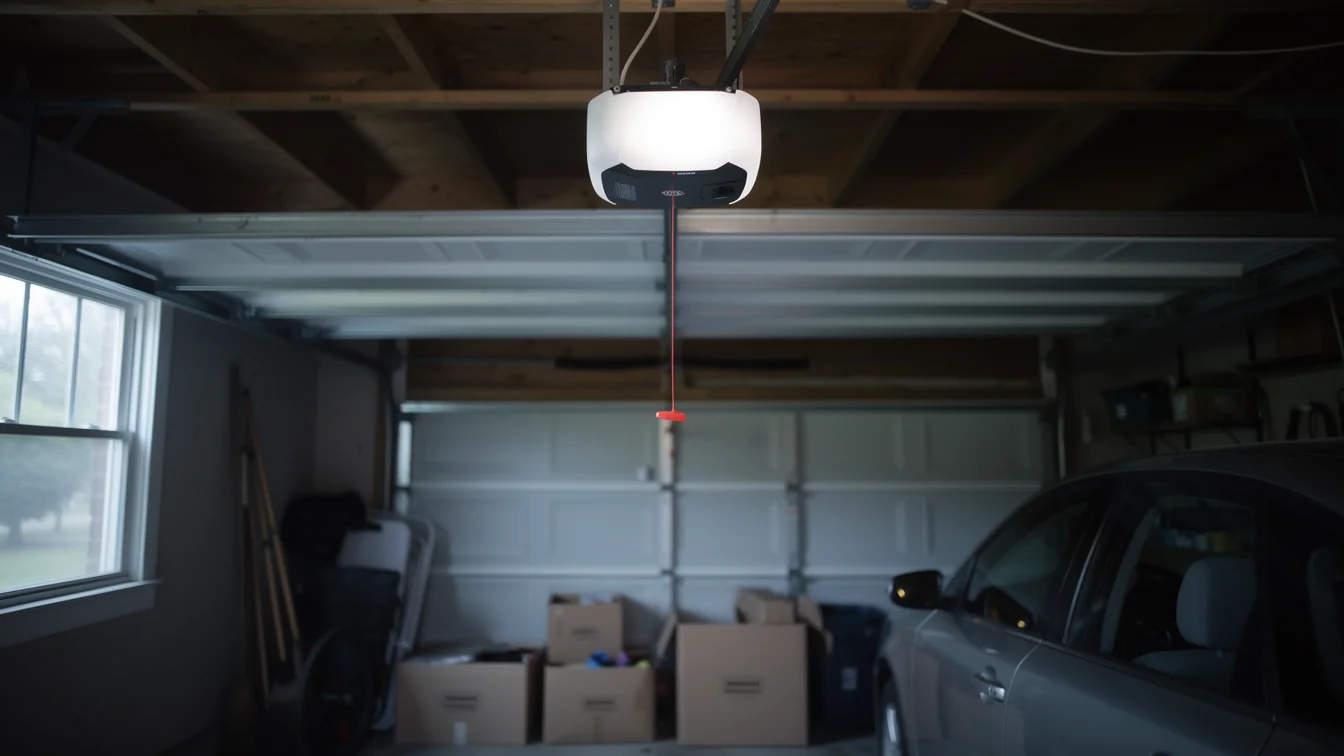
A garage door opener needs line power to run its motor, and almost none of the openers installed in Chula Vista homes during the 1967-to-1985 building boom came with any kind of battery backup - that wasn't standard equipment until years later. When the power cuts, the opener simply stops. The door itself isn't locked in place by the outage; it's held by the opener's drive mechanism, and every unit has a manual release cord, usually a red handle, that disconnects the carriage from the trolley so you can lift the door by hand. The problem isn't that the door is stuck. It's that most owners have never pulled that cord and don't know where it is or how stiff a heavy double door gets once you're lifting it without the opener's help. With 43,965 owner-occupied houses across this service area, a meaningful share of those garages still run on original or first-replacement openers with no backup power at all, which means a cut isn't a minor annoyance for everyone - for some households it's the only way in or out of the garage until the power comes back.
What we find
The mistake we see most is someone pulling the manual release cord and then trying to force the door up fast, assuming it'll move like the opener moves it. A torsion or extension spring carries most of the weight of these older doors, and if that spring is already weak - which happens more often on doors original to a house built in the 1970s - the door can drop hard once it's disconnected from the opener's control. The second mistake is buying a battery backup unit without checking whether the opener itself is even worth keeping. A battery backup doesn't fix a tired motor or a worn drive gear; it just keeps a healthy opener running through a short outage. If the opener is already near the end of its life, a backup battery is the wrong investment. We don't stock every control board for every opener brand on the truck, and sometimes the honest answer is that a unit from this era is cheaper to replace than to keep patching.
How we work
Chula Vista sits in a mild temperate climate, which works in your favor here - you're not dealing with sub-freezing mornings that crack weatherstripping, seize a motor, or spike power demand the way a harsher climate does. That's one less reason for the grid to strain. What does matter locally is the age and spread of the housing stock. From Sunbow a mile to the southwest up through Eastlake Greens three miles to the east, and across the other mapped areas in this part of San Diego County, most houses share that same 1967-to-1985 construction window. That means a lot of these openers are aging out at roughly the same time, regardless of which neighborhood you're in. With a median household income of $100,052 across the area, most owners here are in a position to replace a failing opener outright rather than keep nursing a worn circuit board along - which, for a unit this old, is usually the more sensible move anyway.
Questions
Most openers installed in Chula Vista homes built during the 1967-to-1985 construction era did not come with battery backup - that wasn't standard until later. Check the opener housing for a battery compartment or a small backup unit mounted nearby. If you don't see one, you don't have it, and the door will only respond to the manual release during an outage.
It's usually a red handle hanging from a cord along the track near the opener's trolley. Pulling it disconnects the door from the opener so you can lift it by hand. On an older door with a tired spring, lift slowly and don't assume it'll move as easily as it does with the opener running.
Only if the opener itself is otherwise healthy. A backup battery keeps a working motor running through a short outage, but it won't fix a worn gear or an aging circuit board. If your opener is original to a house built in the 1970s, it may make more sense to replace the whole unit rather than add backup power to it.
Recommendation
More garage door guides for Chula Vista homeowners.
Chula Vista homes built mostly from 1967 to 1985 have original torsion hardware that wears unevenly, and that's why doors drift off track over the years.
Read more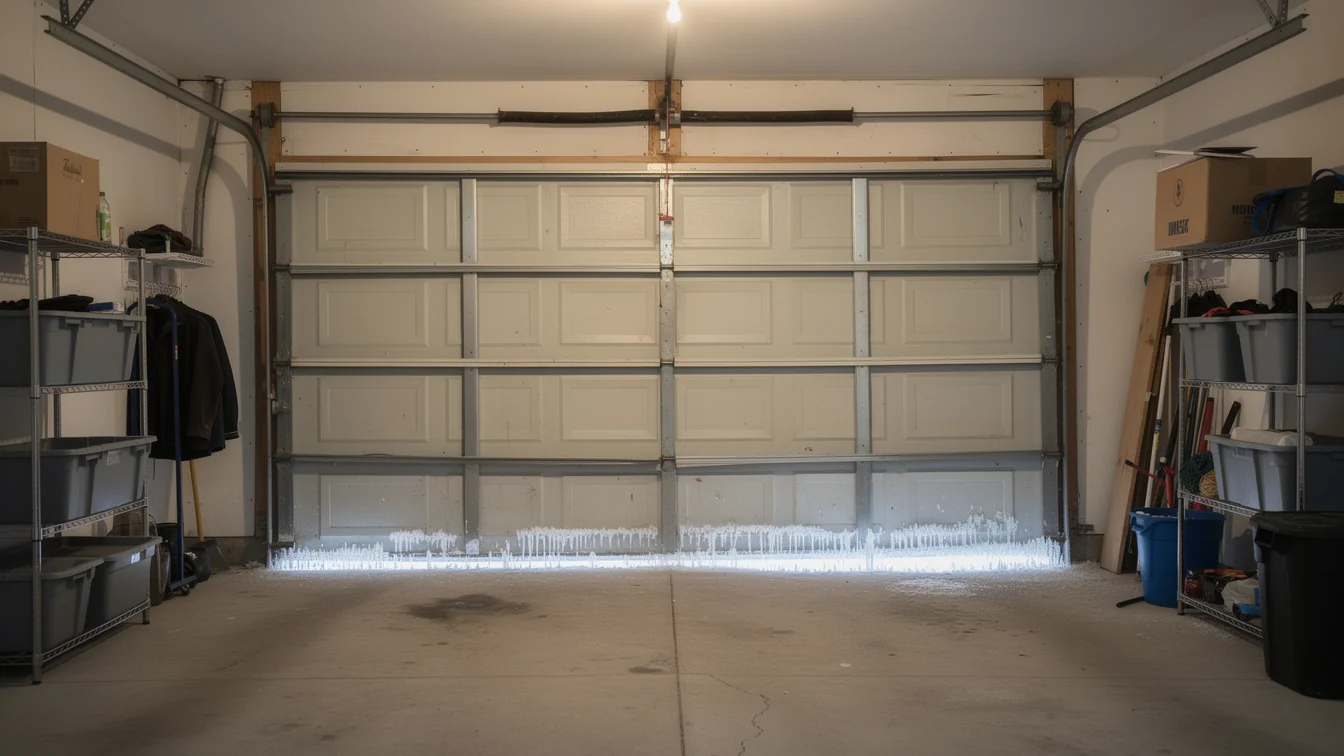
Most Chula Vista garage doors date to the 1967-1985 building boom, before insulation codes existed.
Read more
A Chula Vista garage door service call means a full inspection of hardware common to 1967-1985 homes in this mild coastal climate, not just a quick fix.
Read moreReady when you are
Chula Vista Garage Door Pros repairs and installs garage doors, springs and openers in Chula Vista, CA and the surrounding area.