Casa De Oro Mount Helix, Chula Vista
Garage Door Repair in Casa de Oro-Mount Helix
Garage door repair for Casa de Oro-Mount Helix homes built around 1969, about 10 miles from our Chula Vista shop. Torsion springs, openers, and broken cables.
The Cost of This Job
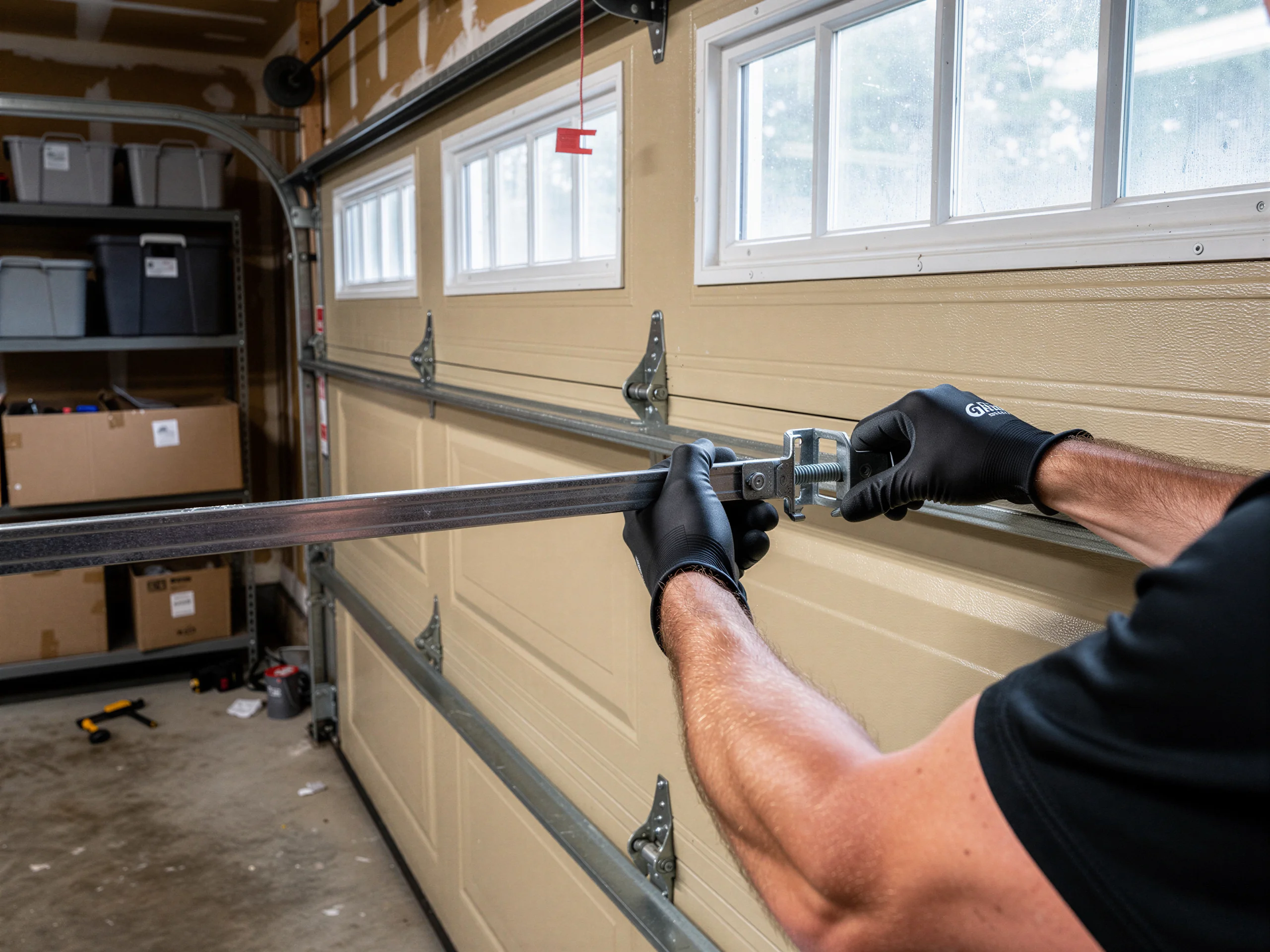
The number that matters most here isn't the one you'd expect. Across the rest of our coverage area, the median home went up in 1975.
Older hardware generation
In Casa de Oro-Mount Helix, that median sits around 1969 - six years earlier. Six years doesn't sound like much until you're standing in front of a door panel, and the hardware behind it is a full generation older than what we see on a typical call closer to Chula Vista.
Decades of cycles
Springs that have been cycling for five and a half decades, opener units that have already been replaced once or twice by a previous owner, track brackets fastened into framing that's settled more than newer builds. We don't quote a flat number for this area because the job depends on what's actually behind the panel, not on a zip code.
Age wear over impact
What we can tell you is that a repair here is more likely to turn up a part that's simply worn out from age rather than damaged from a single bad lift or a car backing into it. That changes what we bring on the truck and sometimes what we recommend - repair the spring, or tell you honestly that the opener is past the point where fixing it makes sense.
The Symptom
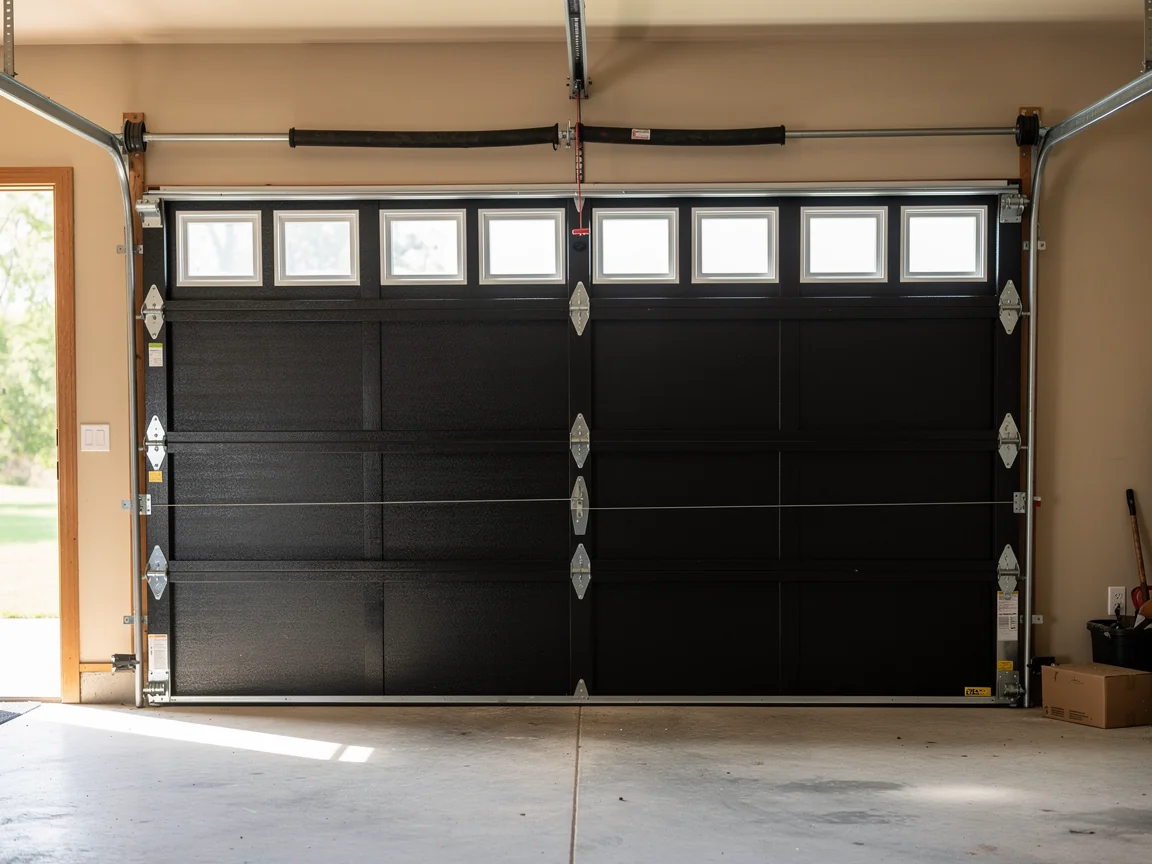
The call usually starts the same way: the door won't go up, or it goes up and stops partway, or it comes down too fast and slams instead of settling.
Overdue spring replacement
On a door install around 1969, that's almost always a spring problem before it's anything else - extension or torsion springs don't last forever, and on a door this age, if the spring hasn't been swapped before, it's overdue.
Grinding roller noise
Sometimes the symptom is noise instead of refusal: a grinding or popping sound as the door travels, which usually means a roller has worn down to bare metal or a track has pulled slightly out of alignment over the decades.
Drive mechanism fault signs
A door that reverses on its own partway up, or one where the opener runs but the door doesn't move, points toward a different fault - often the drive mechanism itself rather than the springs. None of these symptoms tell you the exact part without someone looking at the door in person, but the age of the home narrows the list of likely causes considerably compared to a newer build.
What Can Go Wrong
On a house from this era, the short list is springs, rollers, and the opener, roughly in that order of likelihood. A broken torsion or extension spring is the most common single failure - the door feels impossibly heavy or won't budge, and it's not safe to force it.
Worn rollers bind track
Rollers that have gone 50-plus years without replacement, even if swapped once along the way, wear down and bind in the track, which shows up as grinding, jerking motion, or a door that jumps the track entirely. Cables fray the same way, especially where they wrap the drum, and a frayed cable under tension is not something to test by hand.
Mismatched opener mounting
Openers from any era eventually fail at the gear or the circuit board, and on an older house, we sometimes find an opener that's already been swapped once, with mounting hardware that doesn't quite match the original bracket.
Patch buys short window
The honest limitation here: if the door itself has warped or the track has bent from years of misalignment, patching the symptom usually buys you a short window before the next failure, and we'll say so rather than charge you twice.
Why It Happens Here
This area sits in the mild temperate band like the rest of our coverage area, so you're not fighting the freeze-thaw cycles that chew up hardware in colder climates - that's one thing working in your favor. What works against you is simply time. A door and opener installed when the house was built around 1969 has had five and a half decades of cycles, and even mild weather doesn't stop lubricant from drying out, metal from fatiguing, or a motor from reaching the end of its service life. Casa de Oro-Mount Helix runs about 6,980 households, a small slice of the roughly 127,255 households across our whole coverage area, and the median household income here, at $123,037, runs well above the service area's overall median of $100,052. In practice, that tends to mean more owner-occupied homes that get full replacements instead of patch repairs once the original hardware finally gives out - which is often what we're called in to assess rather than simply fix.
Can You Do This Yourself
Some of this is fine to handle on your own: tightening loose track bolts, cleaning and lubricating rollers, checking that the photo-eye sensors aren't knocked out of alignment. Replacing a torsion spring is not one of those jobs. A wound spring under tension can cause a serious injury if it releases wrong, and that risk doesn't go down because the house is older - if anything it goes up, since a spring that's been in place since 1969 or close to it is more likely to let go unpredictably than one installed last year. We also won't pretend there's a depot in Casa de Oro-Mount Helix - we run this call from our Chula Vista shop, about 10 miles out, so if you're weighing a same-day fix against ordering a part, factor in that travel time when you're scheduling. If the opener is original to the house and the circuit board has failed, replacement is usually the better call than hunting for a matching part that stopped being made decades ago.
Questions
Common questions
How far is Casa de Oro-Mount Helix from your shop
About 10 miles from our Chula Vista location. We still cover the area, but we don't keep a branch or stock point there, so factor the drive into same-day scheduling, especially if a part needs to be picked up first.
Are the garage doors here different from newer parts of Chula Vista
Often, yes. The median home in Casa de Oro-Mount Helix went up around 1969, about six years earlier than the median across the rest of our service area. That extra age usually means older spring and opener hardware that's closer to the end of its service life.
Is it worth repairing an old opener instead of replacing it
Depends on what failed. A dead circuit board on a decades-old opener is often not worth chasing down a matching part for. A simple sensor or wiring issue is usually worth fixing. We'll tell you straight which one you're dealing with before we charge you.
Do older torsion springs fail without warning
Yes, more often than people expect. A spring that's been cycling since the house was built can snap suddenly rather than giving a clear warning sign first. If your door feels unusually heavy or slow, treat that as the warning and get it looked at.
Explore more
More Services in Casa De Oro Mount Helix
Emergency Garage Door
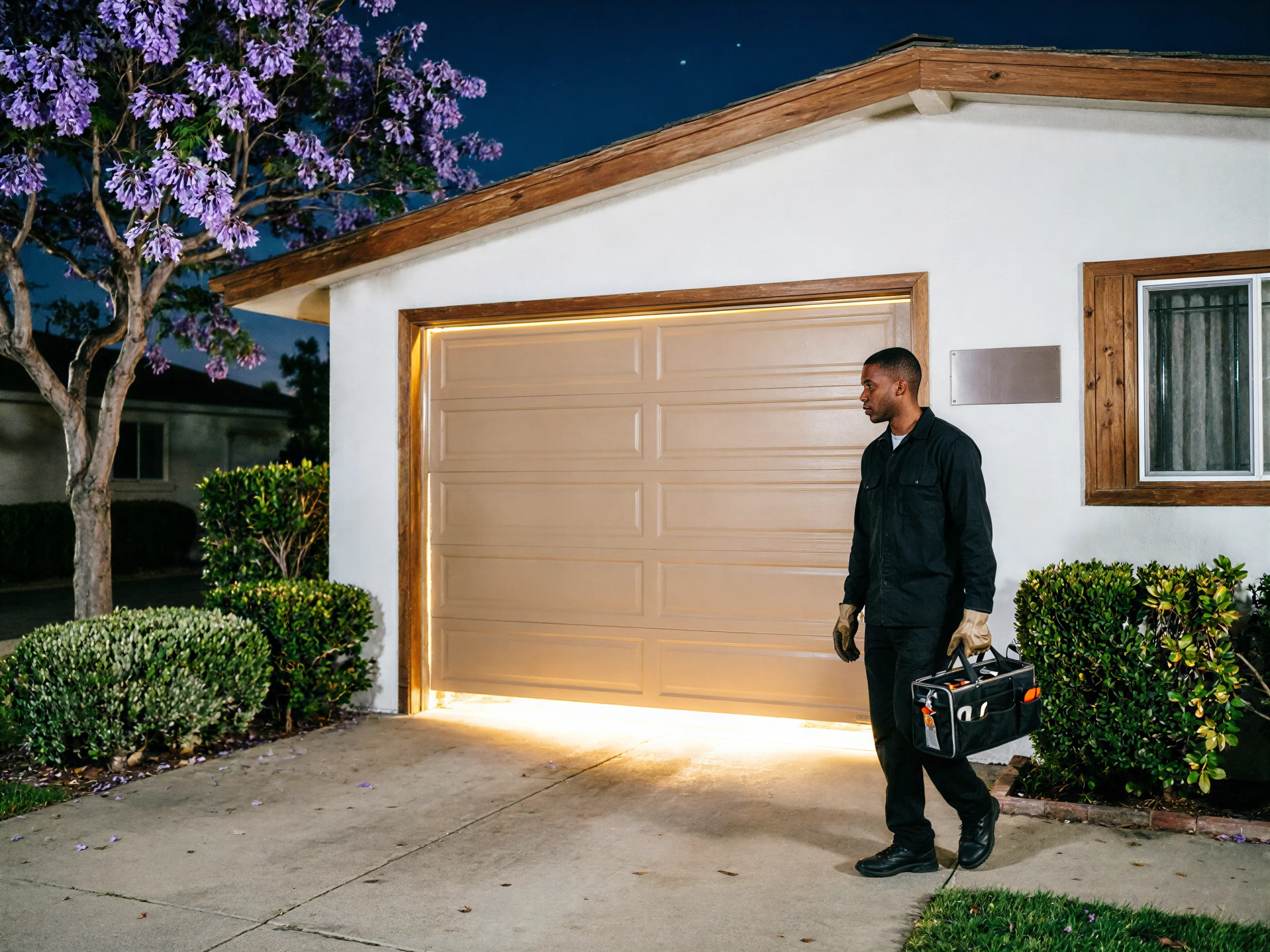
Casa de Oro-Mount Helix homes date to about 1969, which means original steel doors on aging spring hardware. Learn more →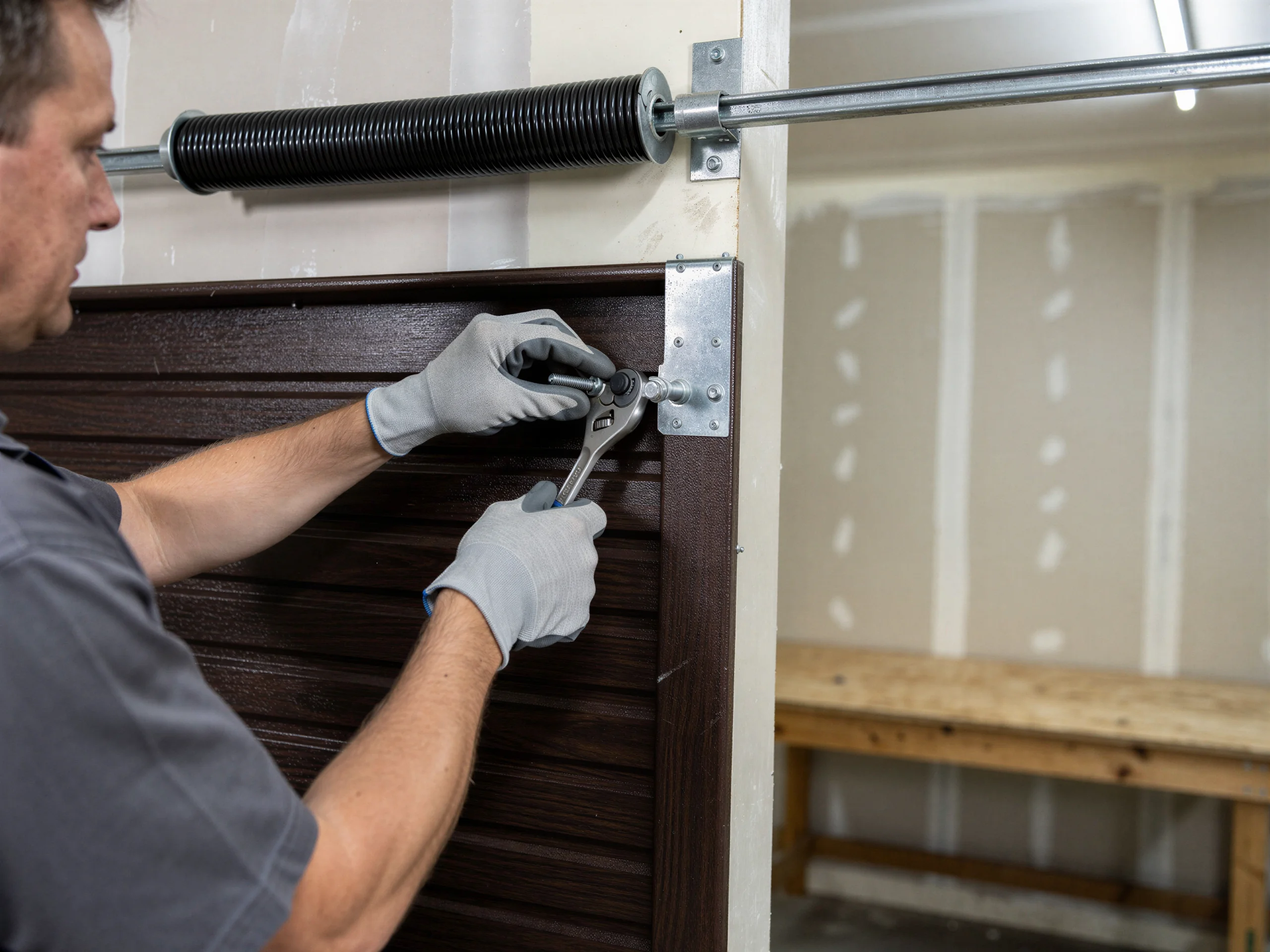
Garage Door Service
Garage door repair for Casa de Oro-Mount Helix's 1969-era homes: original extension springs, worn rollers, and doors not built for today's openers. Learn more →
Maintenance
Garage door maintenance for Casa de Oro-Mount Helix homes built around 1969, serviced from our Chula Vista shop 10 miles away. Learn more →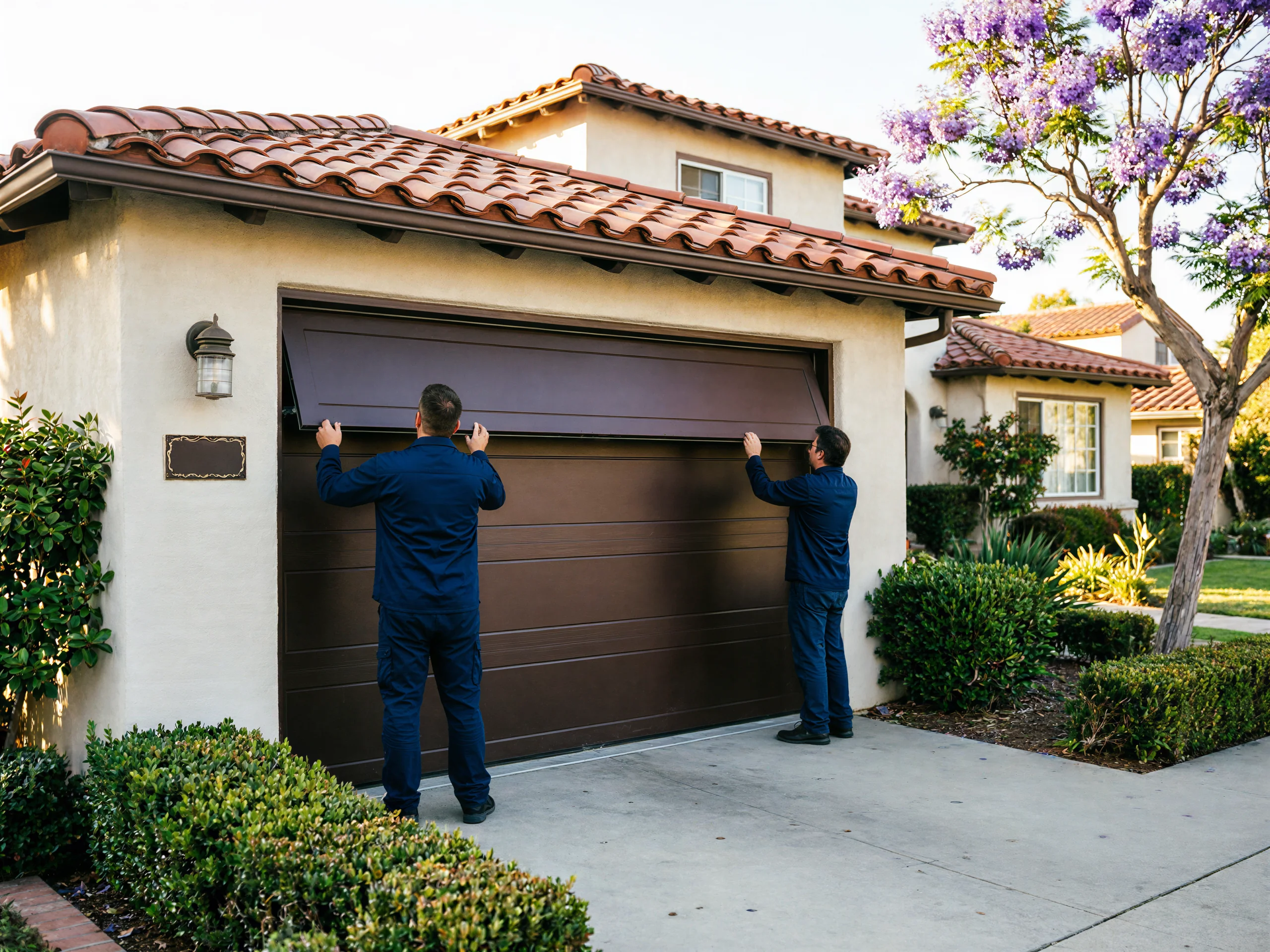
New Door Installation
Casa de Oro-Mount Helix homes date to 1969 on average, meaning many doors still run original hardware. Learn more →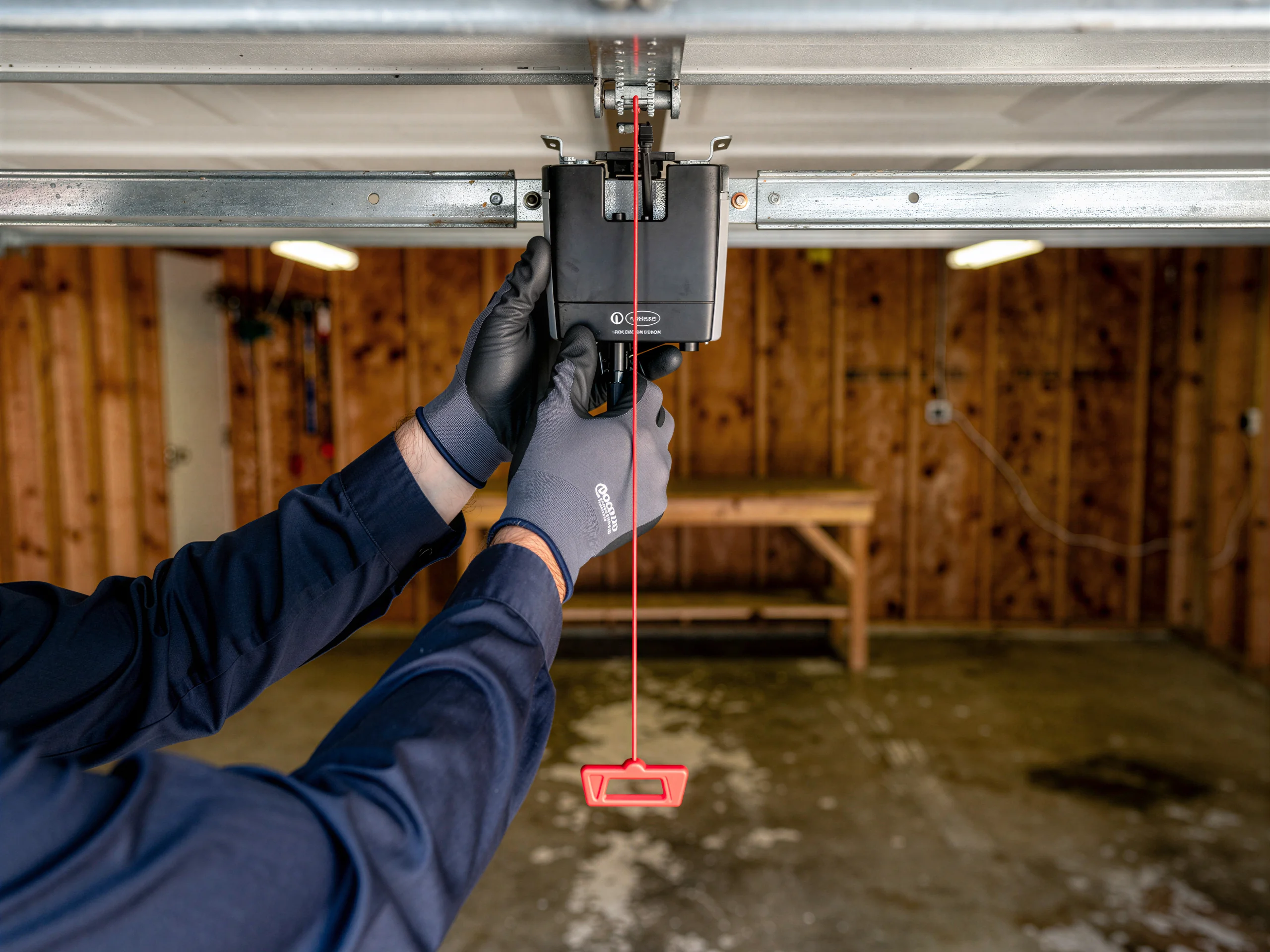
Opener Repair
Opener repair for Casa de Oro-Mount Helix homes built mostly in the late 1960s, served by the Chula Vista crew on the 10-mile run up from the bay. Learn more →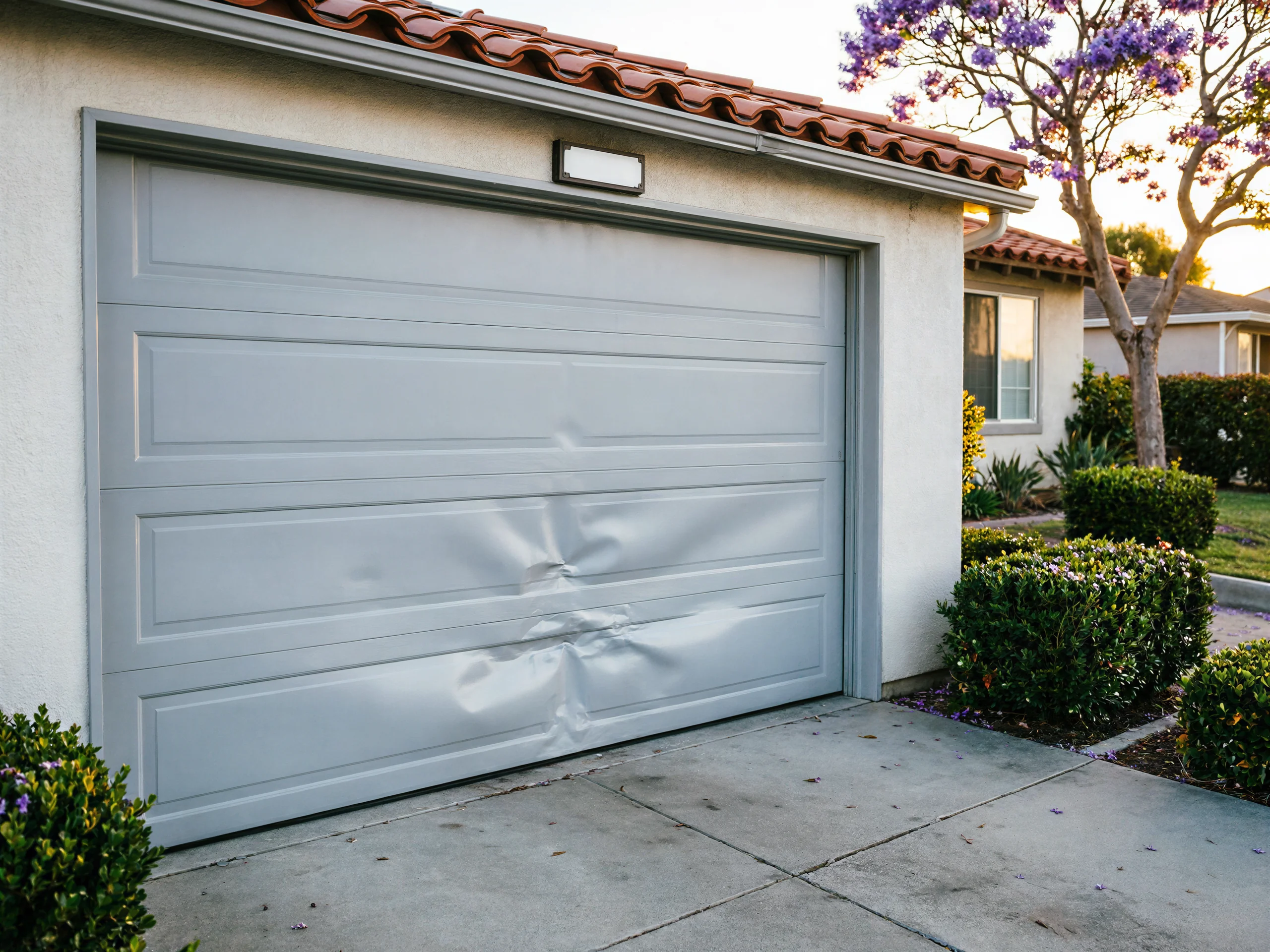
Panel Replacement
Panel replacement for Casa de Oro-Mount Helix homes built mostly around 1969, served from our Chula Vista shop ten miles out. Learn more →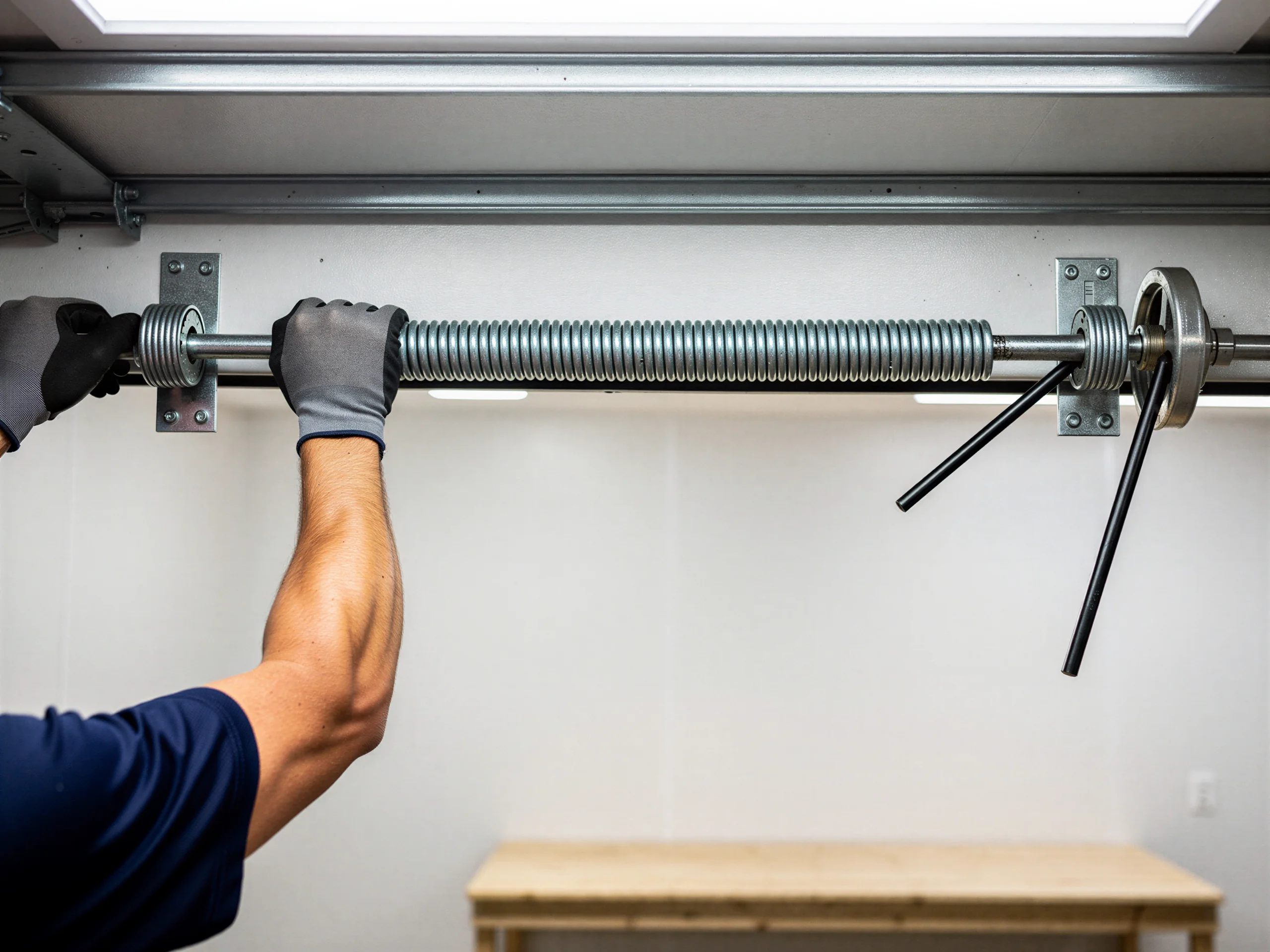
Spring Repair
Casa de Oro-Mount Helix homes median around 1969 with original torsion hardware. Learn more →Ready when you are
Need a garage door sorted in Chula Vista?
Chula Vista Garage Door Pros repairs and installs garage doors, springs and openers in Chula Vista, CA and the surrounding area.