Coronado, Chula Vista
Garage Door Opener Repair for Coronado Homes
Coronado homes built around 1974 often still run chain-drive openers on standard-lift track. We diagnose and repair openers here, traveling the 8 miles from Chula Vista.
What the Repair Takes
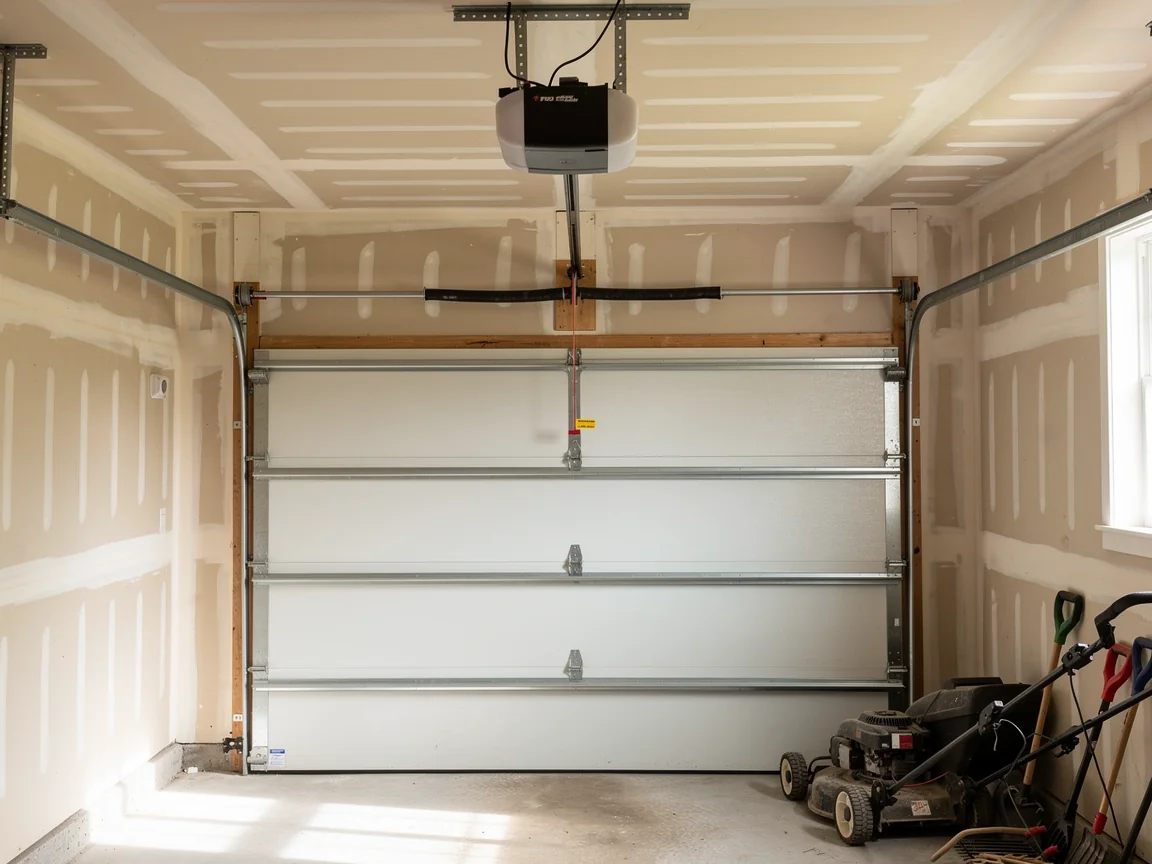
Coronado's housing stock mostly went up around 1974, and the garage doors that came with those houses are steel sectional doors on standard-lift track, paired with chain-drive openers from the same era or a replacement unit installed sometime after.
Piecemeal upgrade mismatch
A repair call here usually means working with hardware that's been upgraded piecemeal over fifty years - a newer opener head bolted to an original rail, or a modern safety sensor wired into wall switch gear that predates it.
Check door before opener
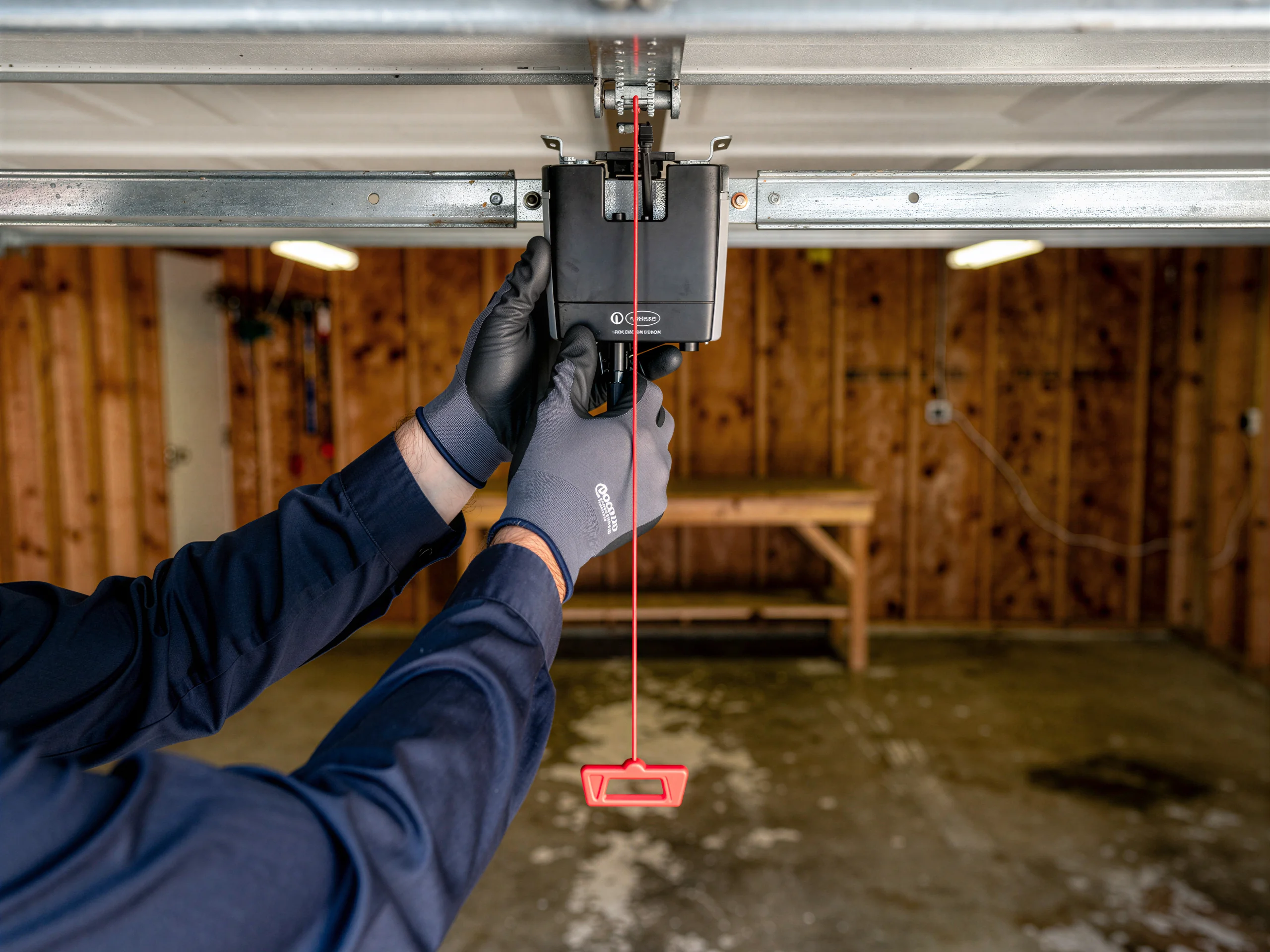
Before we touch the opener itself, we check whether the door is moving freely on its own. A chain-drive unit straining against a binding roller or a bent track will burn out gears and strip a drive sprocket faster than normal wear, so the opener fault is often a symptom, not the root cause.
Force and travel settings
We also check travel limits and force settings, since doors on older track rarely balance the way a modern door does, and an opener set to fight that imbalance shortens its own life. The work is diagnostic first - pull the manual release, run the door by hand, feel where it drags - and only then do we open up the opener housing itself.
Can You Do This Yourself
Some of it, yes. Reseating a disconnected safety sensor, replacing worn remote batteries, or reprogramming a keypad after a power outage are jobs most Coronado homeowners can do with a ladder and twenty minutes. What's not a do-it-yourself job is anything involving the drive gear, the circuit board, or the travel and force limit screws on an older chain-drive unit - those adjustments interact with how much the springs are already carrying, and getting them wrong on a door this age can make the opener slam the door down hard enough to crack a bottom panel. If your opener hums but the door doesn't move, or moves partway and reverses, that's a job for a call, not a tutorial. One honest limit: if the opener motor itself has failed and the unit is original to the house, we'll tell you straight that replacement usually costs less over time than sourcing parts for a forty-plus-year-old drive head, and we won't talk you into a repair that doesn't make financial sense.
Stocked Parts
We carry the sensor pairs, logic boards, and drive gears that fit the chain-drive and belt-drive openers most common on 1970s-built track in this part of the service area, along with standard travel modules and wall console switches.
Discontinued opener parts
What we don't keep on the truck are parts specific to opener models that stopped being made decades ago - some original drive heads from that era used proprietary sprockets or housings that no supplier stocks anymore, and those jobs sometimes mean a short wait or a straight recommendation to replace the unit.
Category confirmed before starting
We'll tell you on site which category your opener falls into before any work starts, so you're not guessing at a timeline.
What Can Go Wrong
The most common failure on Coronado's older openers is a worn drive gear or stripped sprocket, usually from years of the opener fighting a door that isn't balanced right on its track. Close behind is a failed capacitor or logic board, which shows up as an opener that clicks or hums but doesn't engage the chain. Safety sensors misaligned or corroded at the base - often from being bumped by a car bumper or a bike over the years - will stop the door from closing at all, which is the system working correctly even when it's frustrating. Less common but real on houses this age: a cracked wall console or a remote that's simply outlived its production run, both of which are easy fixes once we're looking at them in person rather than guessing over the phone.
Questions
Common questions
Why does my opener strain or make a grinding noise when the door is closing?
On a door built around the mid-1970s, grinding usually means the opener's drive gear is fighting a track or roller problem rather than a fault in the motor itself. We check the door's balance and track alignment before assuming the opener needs parts, since fixing the drag often clears up the noise without replacing anything in the unit.
Is it worth repairing an opener this old, or should I replace it?
Depends on what's failed. Sensor and logic board issues are usually a straightforward repair. A dead drive gear or motor on a decades-old unit with no stocked replacement parts is often not worth chasing down - we'll tell you honestly when a new opener costs less than hunting parts for an old one.
Do you have a branch in Coronado?
No, we work out of Chula Vista and travel the 8 miles into Coronado for opener calls. We don't keep a local depot here, so we carry the parts most likely to fit houses from this era on the truck rather than stocking a separate location.
Can I just reprogram my opener myself after a power outage?
Yes. Resetting remotes and keypads after an outage is safe to do yourself on most units, old or new. Where we'd step in is if the opener isn't responding to the wall switch at all, which usually points to a board or wiring issue rather than a programming reset.
Explore more
More Services in Coronado
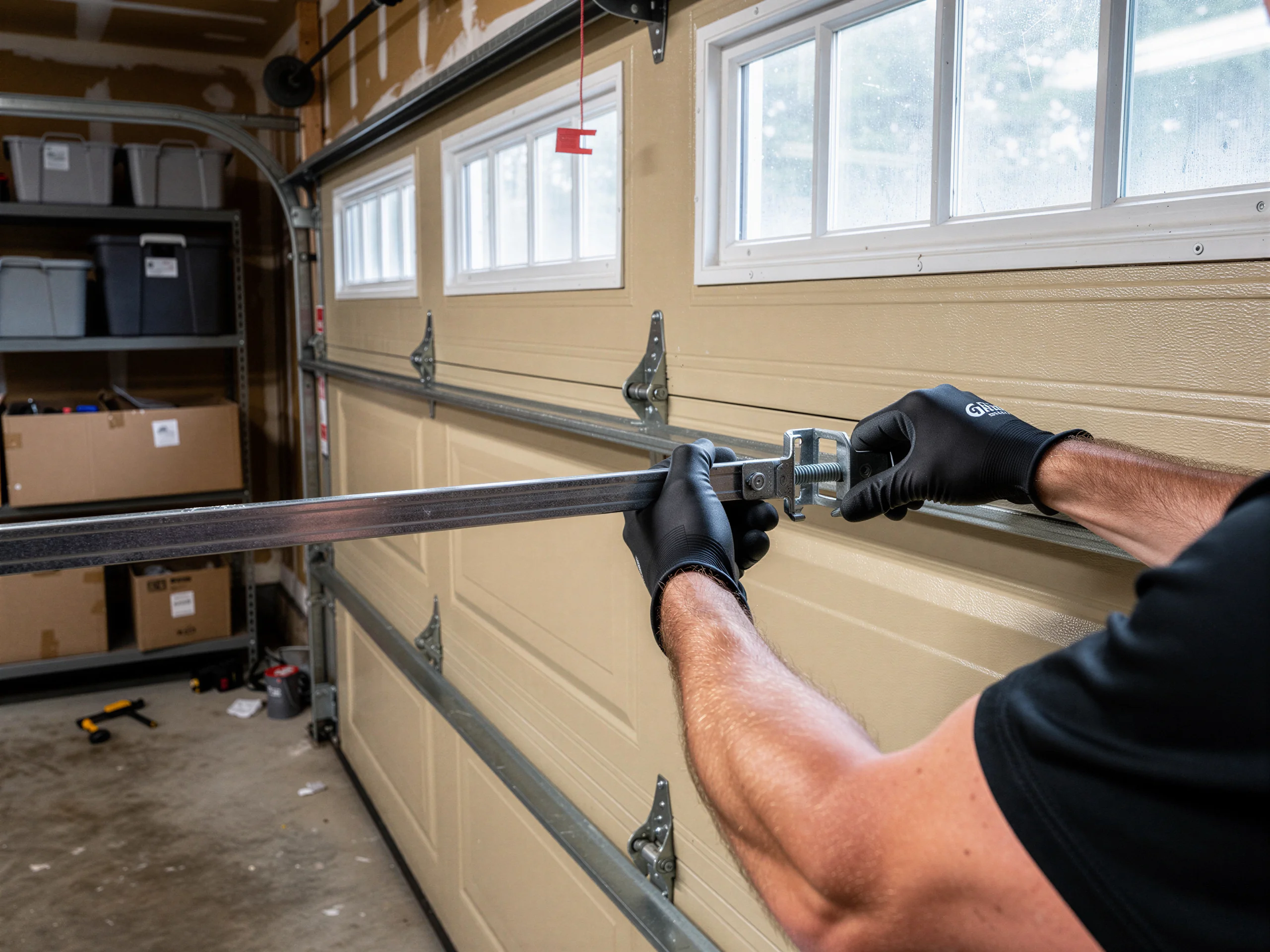
Garage Door Repair
Coronado has 6,989 households and a median build year of 1974 - a tighter, older housing stock than most of the service area. Learn more →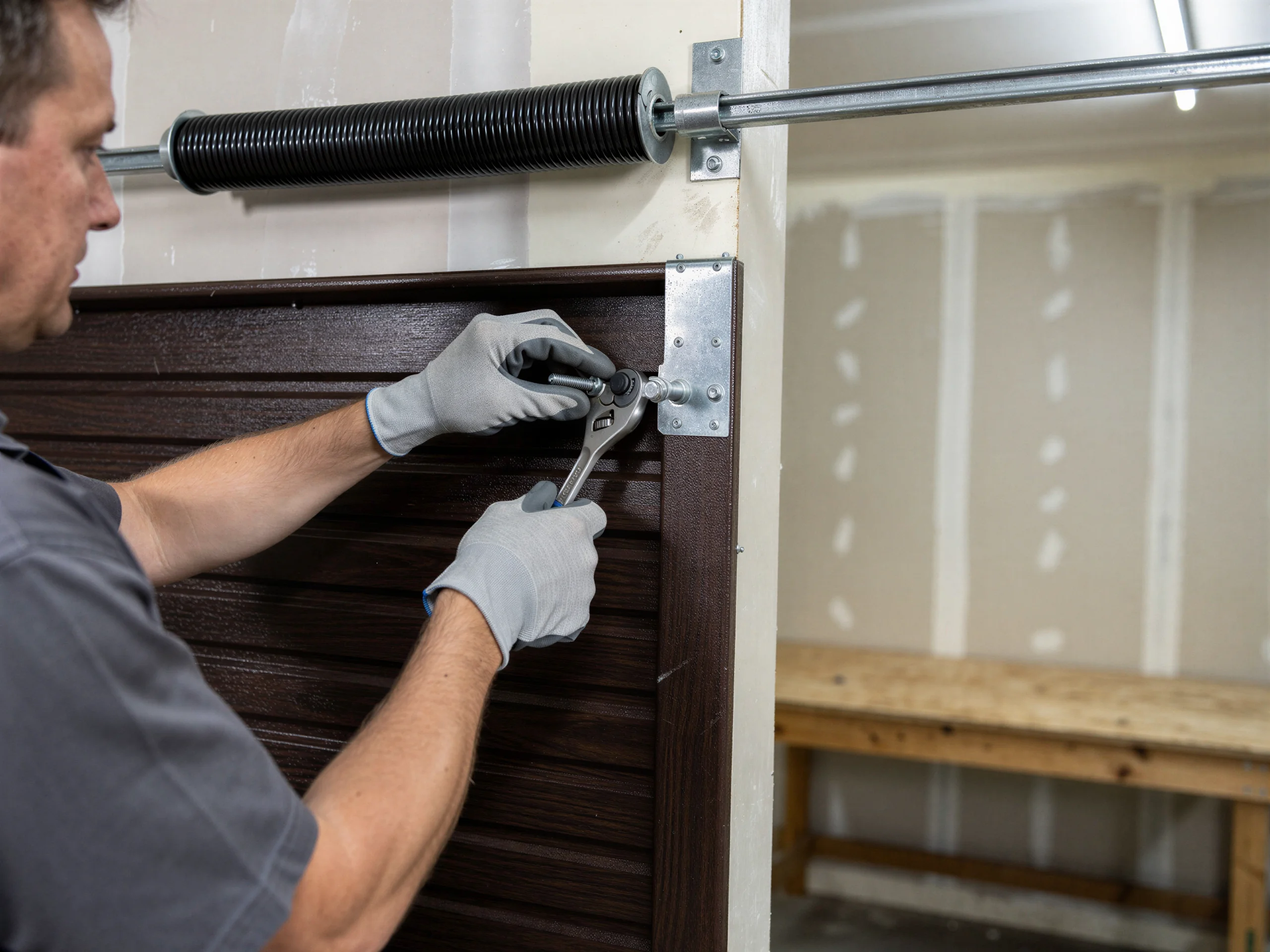
Garage Door Service
Coronado homes built around 1974 carry doors and openers from that era. Learn more →
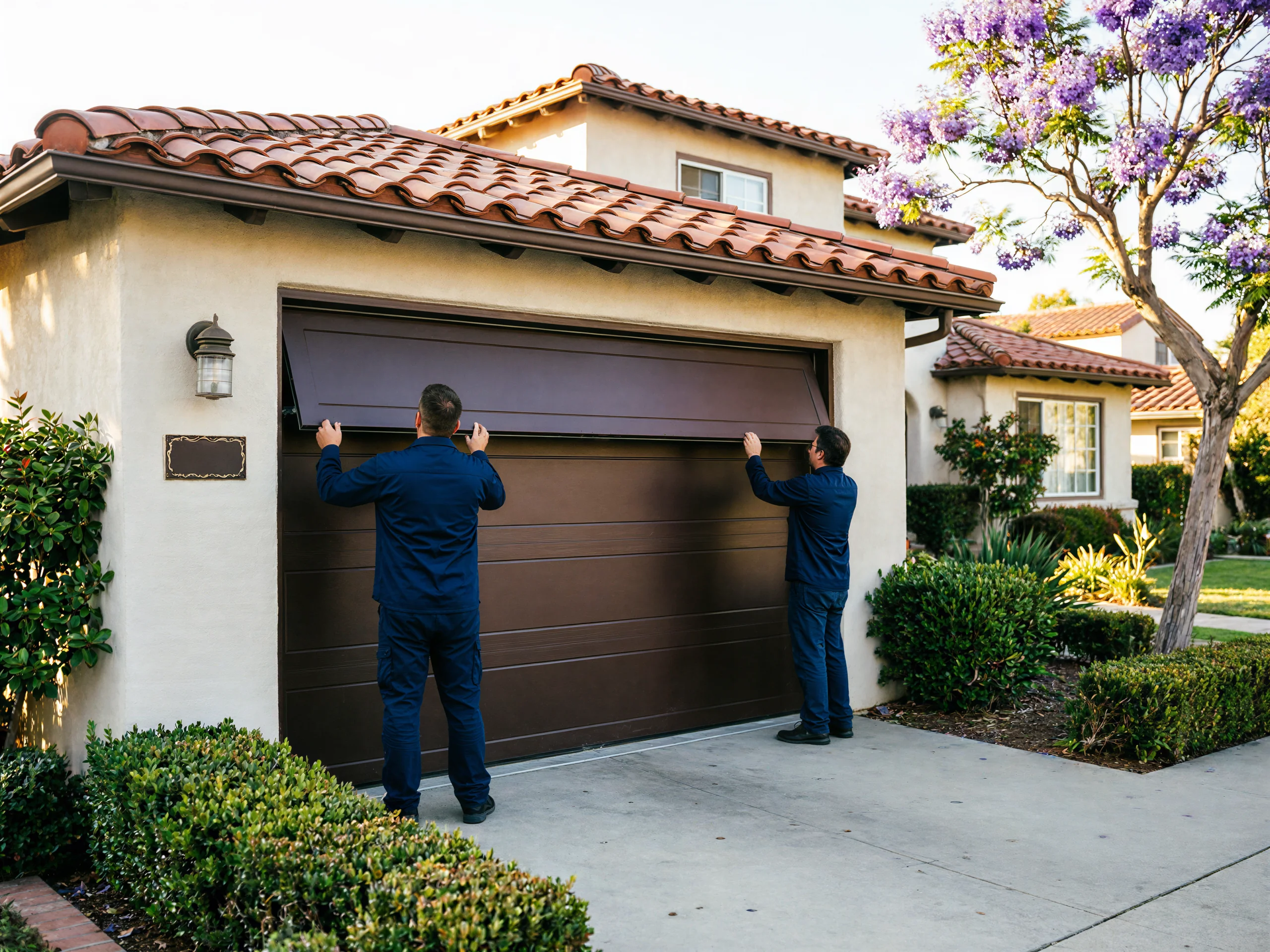
New Door Installation
Coronado homes mostly date to 1974, right in the middle of the area's 1967-1985 build band. Learn more →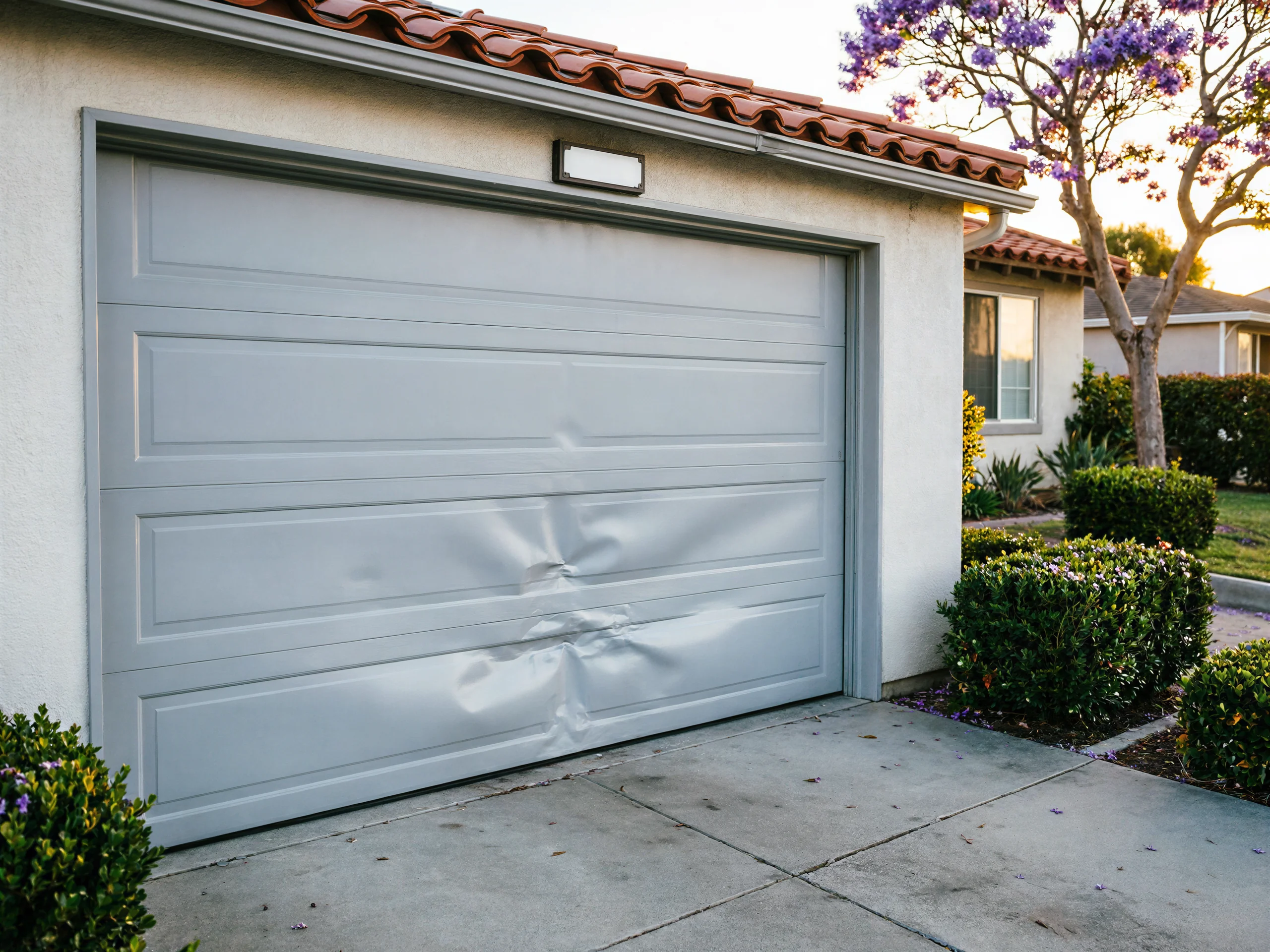
Panel Replacement
Coronado homes built around 1974 carry panel sizes and hinge spacing that later doors don't. Learn more →
Ready when you are
Need a garage door sorted in Chula Vista?
Chula Vista Garage Door Pros repairs and installs garage doors, springs and openers in Chula Vista, CA and the surrounding area.