National City, Chula Vista
Opener Repair for National City's 1969-Era Housing Stock
National City runs about 17,706 households on mostly late-1960s housing. We repair openers built for that stock, traveling 6 miles from our Chula Vista base.
How Long It Takes
National City is a small, dense pocket - about 17,706 households packed into a 6-mile radius of our Chula Vista shop. That size matters: it's not sprawling, so we're not guessing at drive time or routing around a dozen unfamiliar subdivisions.
Stuck mid-cycle openers
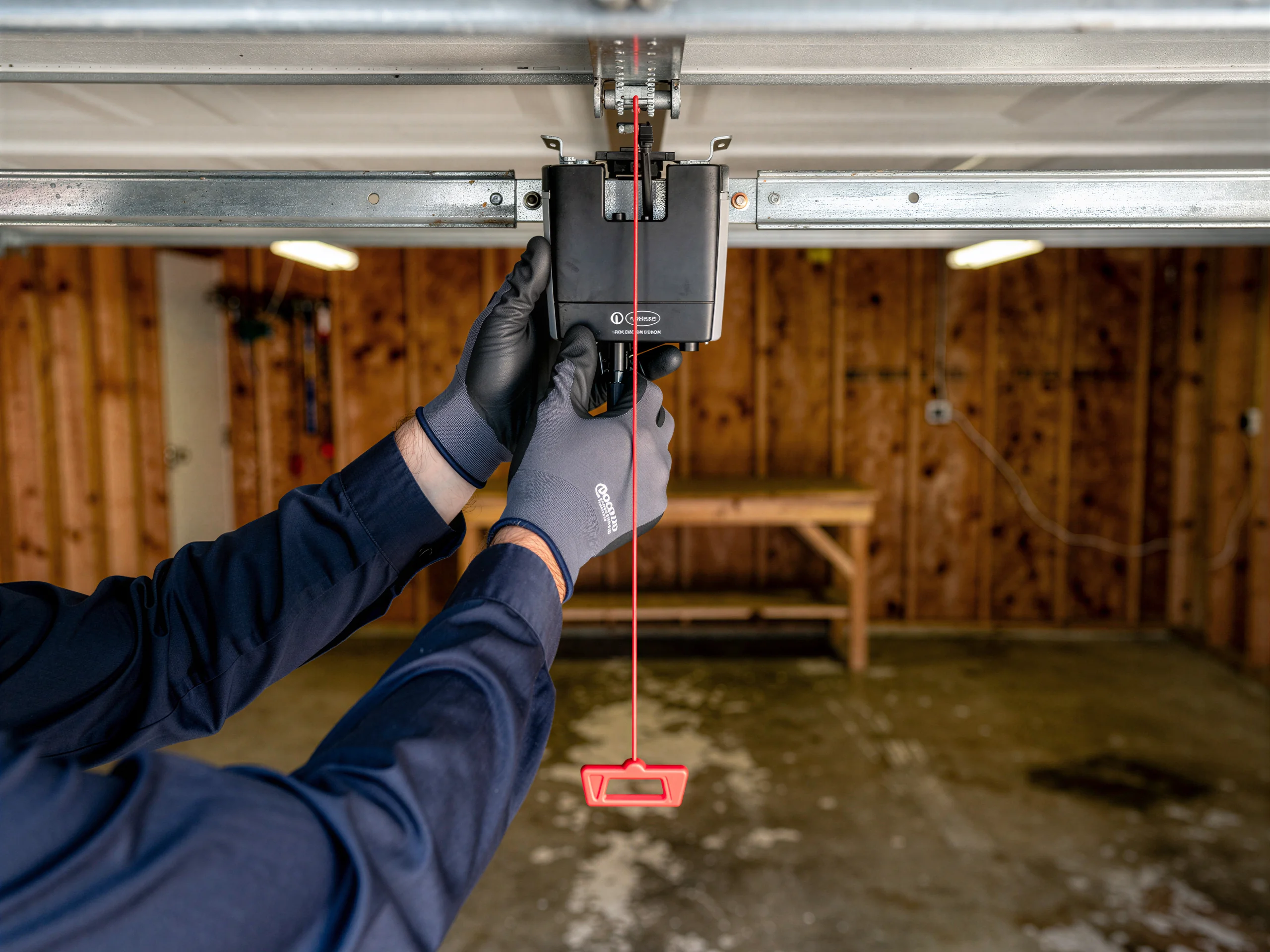
A chain-drive opener stuck mid-cycle or a wall button that's gone dead is usually a straightforward diagnosis once we're on site, because most of the housing here went up around 1969, which means a narrow band of opener types and mounting setups rather than a wide mix of eras.
Repair window by part
The actual repair window depends on what's wrong. A failed logic board or a worn drive gear is often a same-visit fix if we're carrying the part. A capacitor issue on an older motor, or a safety sensor that's been knocked out of alignment, takes less time than people expect once we know what we're looking at.
Symptoms set job scope
What we won't do is promise a window before we've heard what the opener is doing - a door that reverses halfway and one that won't respond at all are different jobs with different parts involved.
The Cost of This Job
National City's median household income sits at $64,248, noticeably lower than the $100,052 median across the wider Chula Vista service area. That gap is worth naming because it shapes what kind of repair makes sense here more often than not - a $40 gear kit on a working motor beats a full opener swap nine times out of ten when the chassis is sound.
Price varies by fault
We don't have a posted price for every job because openers fail in different ways: a dead capacitor costs a fraction of what a burned-out motor does, and a sensor realignment is cheaper than either.
Repair priced first
What we can tell you is that repair is almost always the first option we price out before replacement, especially on units that are mechanically sound but electrically tired.
Replacement when outlived
If the motor itself has failed on an opener old enough to match the area's 1969-median housing stock, replacement sometimes makes more sense than chasing parts for a unit that's outlived its expected service life.
Stocked Parts
With housing in National City and the surrounding area built mostly between 1967 and 1985, we see a fairly consistent set of opener types on these calls - chain-drive units from a handful of manufacturers, standard wall consoles, and photo-eye safety sensors that were often added later as a retrofit rather than installed with the original door. We carry the common wear parts for that generation on the truck: drive gears, capacitors, safety sensor pairs, and remote receivers.
What we don't carry on every run is a replacement logic board for every discontinued opener model. Some older boards are no longer manufactured, and if yours has failed, we'll tell you straight whether a board swap is realistic or whether the opener itself needs replacing. That's the one honest limit here - we won't chase a part that doesn't exist anymore just to avoid recommending a new unit.
What Can Go Wrong
The mild coastal climate here doesn't put the same stress on openers that extreme heat or hard freezes do elsewhere, so you're less likely to see capacitor failure from thermal cycling.
Stripped gears and carriages
What you do see, given the 1969-era housing stock, is mechanical wear: stripped drive gears on chain units that have run the same door for decades, worn-out trolley carriages, and safety sensors that have drifted out of alignment after years of garage traffic knocking the brackets.
Remote and console wear
Another common one: remotes and wall consoles that have simply reached the end of their electronic life, especially on openers original to a house built around 1969. The fix there is often a receiver and remote swap rather than a full unit replacement, assuming the motor and drive train are still sound.
Self-reversal cause check
Less common but real: a door that reverses on its own, which usually points to a sensor or logic board issue rather than the motor itself - worth ruling out before anyone replaces the whole opener.
Getting It Booked In
We cover National City from our Chula Vista location, about 6 miles out, along with the other communities in this service area. There's no local branch or drop-in counter here - we come to you, diagnose the opener on site, and carry the parts most likely to fix what's failed on a house of this area's age and type.
If you want to see what else we cover nearby or confirm we're the right call for your address, the National City area page has that rundown. And if the issue turns out to be bigger than the opener - the door itself, the track, or the springs - that's a separate job we also handle out of Chula Vista; see the Chula Vista opener repair page for the general service rundown that isn't specific to this town.
Questions
Common questions
Do you have a branch in National City?
No. We work out of Chula Vista and travel to National City and the surrounding area, about 6 miles each way. There's no local storefront here, just a truck stocked for the kind of openers common to this area's housing.
Why do openers in National City fail differently than in newer neighborhoods?
Housing here is mostly from around 1969, so a lot of the openers in service are older chain-drive units or have had parts replaced piecemeal over the decades. That means gear wear, aging capacitors, and outdated logic boards show up more than the belt-drive issues you'd see in newer construction.
Is it cheaper to repair or replace my opener?
Depends on what failed. A gear, capacitor, or sensor issue on an otherwise sound motor is almost always cheaper to repair. If the motor itself is shot on a unit old enough to match the area's housing stock, replacement sometimes comes out ahead - we'll tell you which applies before doing the work.
Can you get parts for an older opener model?
For common wear parts - gears, capacitors, sensors, remotes - yes, we carry those for the generation of openers typical to this area. Logic boards for some discontinued older models aren't available anymore, and if that's the failure, we'll say so rather than chase a part that doesn't exist.
Explore more
More Services in National City
Emergency Garage Door
Houses here mostly went up around 1969, meaning older extension-spring setups. Learn more →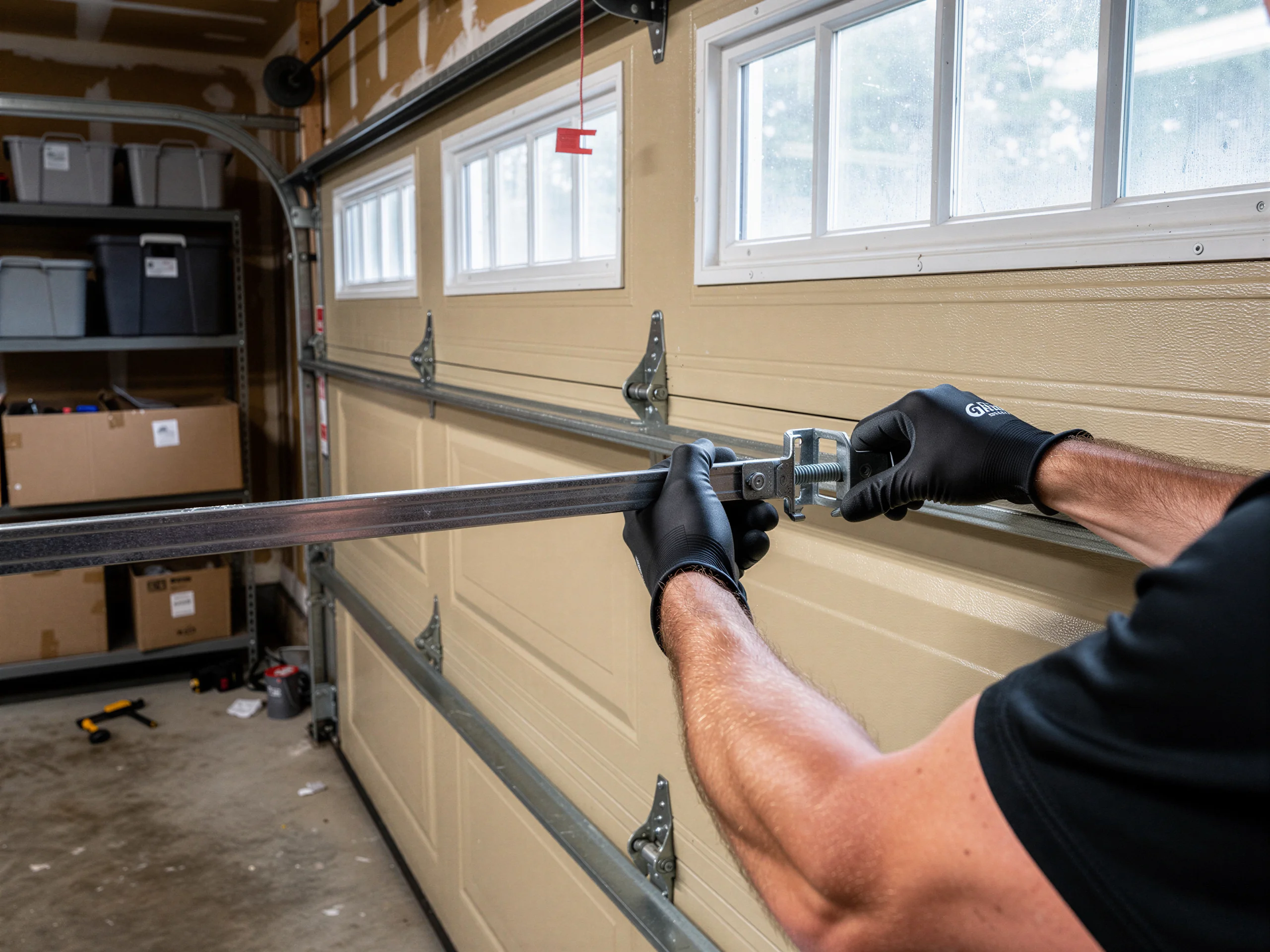
Garage Door Repair
National City's garage doors date to 1969, older than the service area average. Learn more →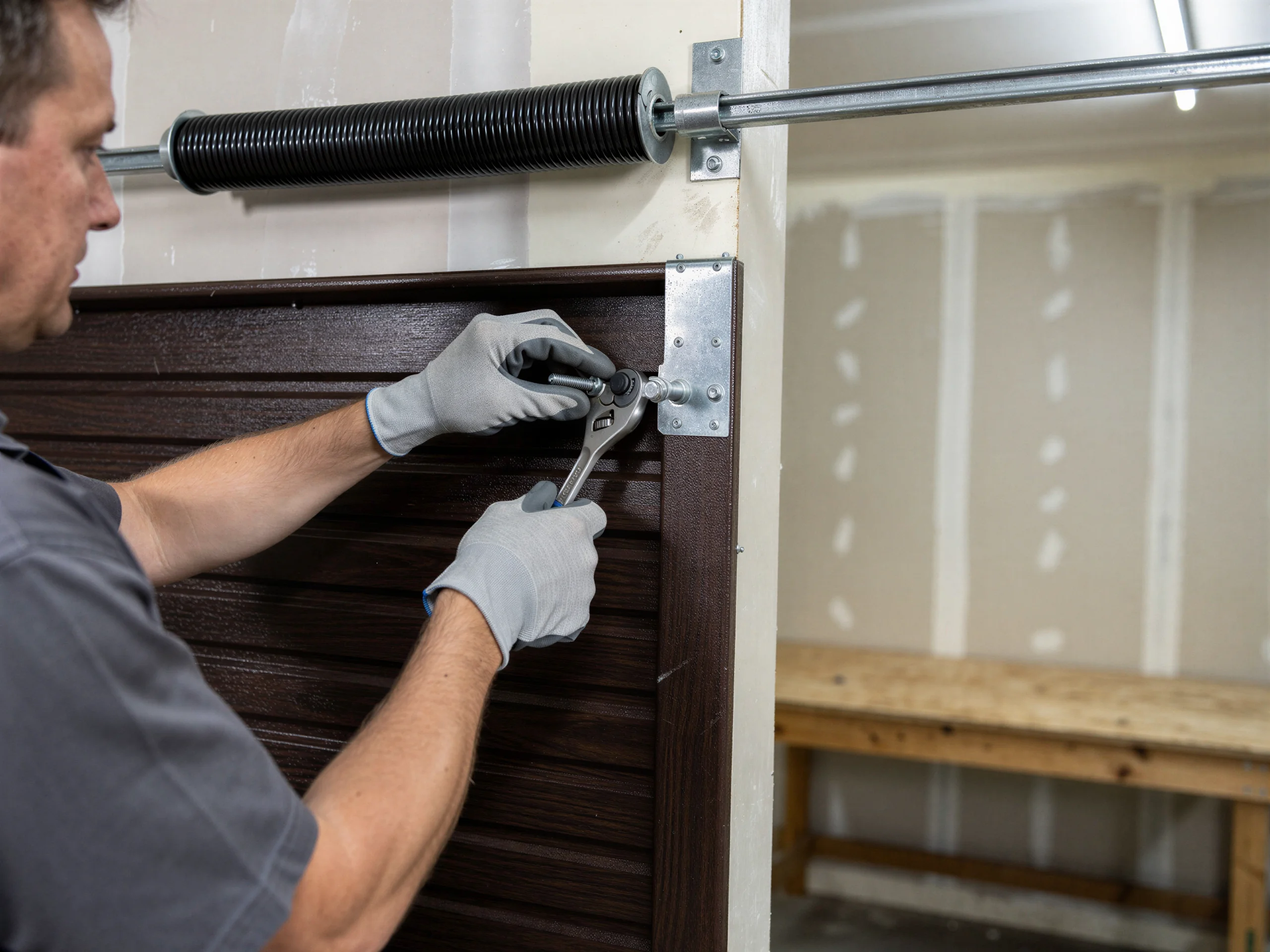
Garage Door Service
National City homes mostly date to 1969 - original torsion hardware and early openers are still common. Learn more →
Maintenance
Serving National City from 6 miles away in Chula Vista, with maintenance tuned to the 1969-era doors and hardware common across the area's older housing stock. Learn more →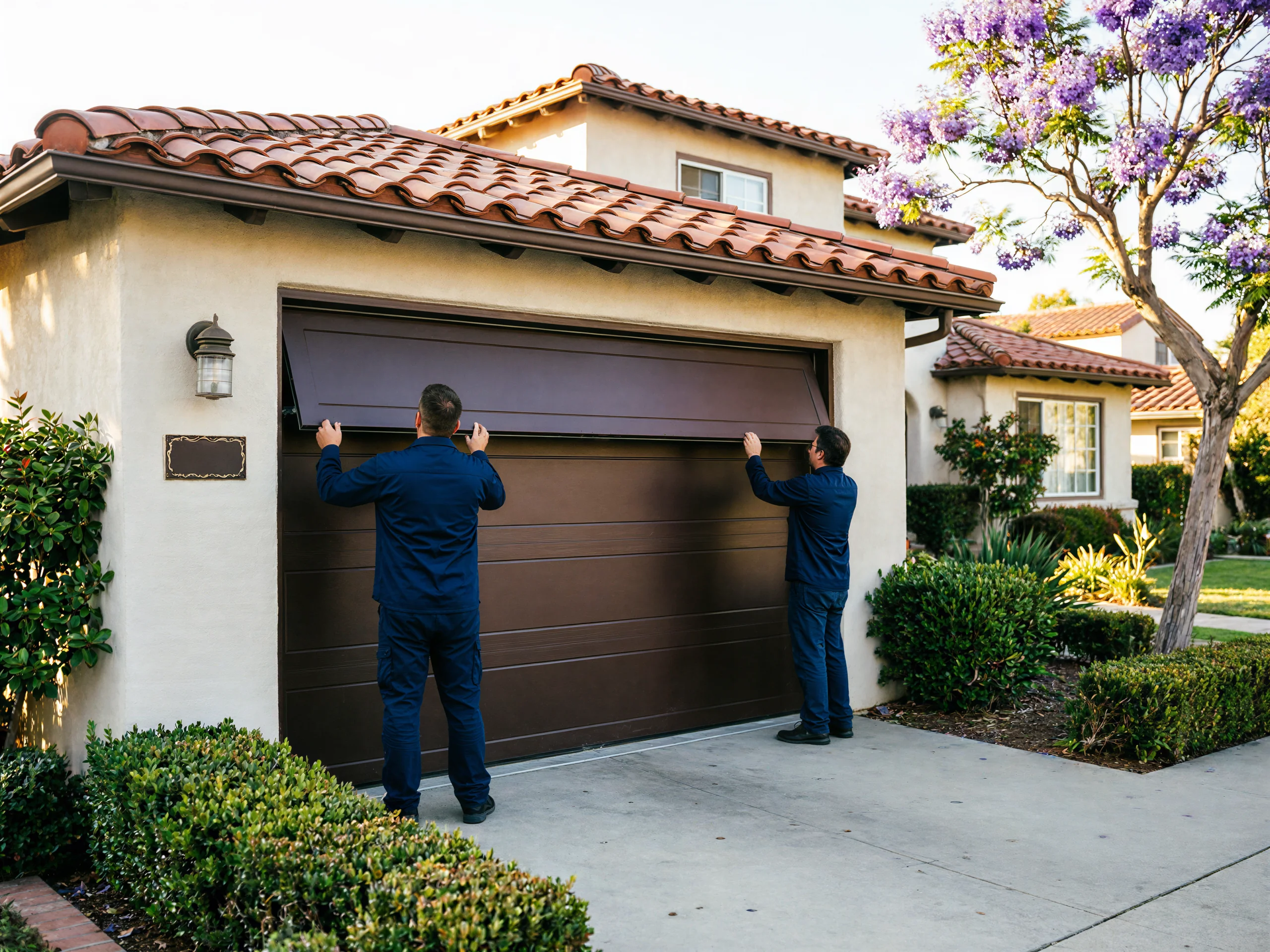
New Door Installation
National City homes built around 1969 carry original single-car steel doors on narrow tracks. Learn more →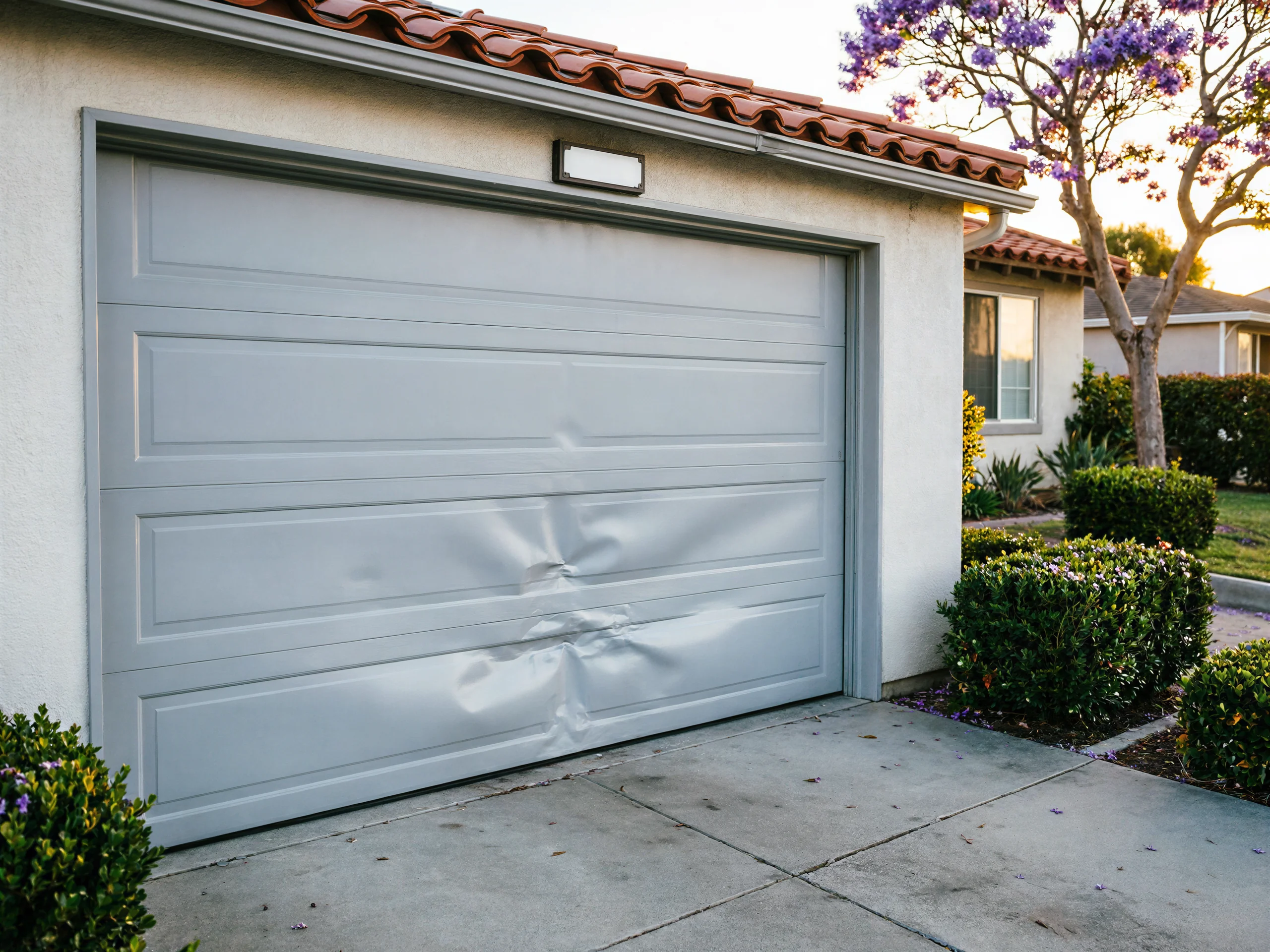
Panel Replacement
Panel replacement for National City's 1969-era garage doors, priced against a $64,248 median income, with parts matched to 1960s-70s stock. Learn more →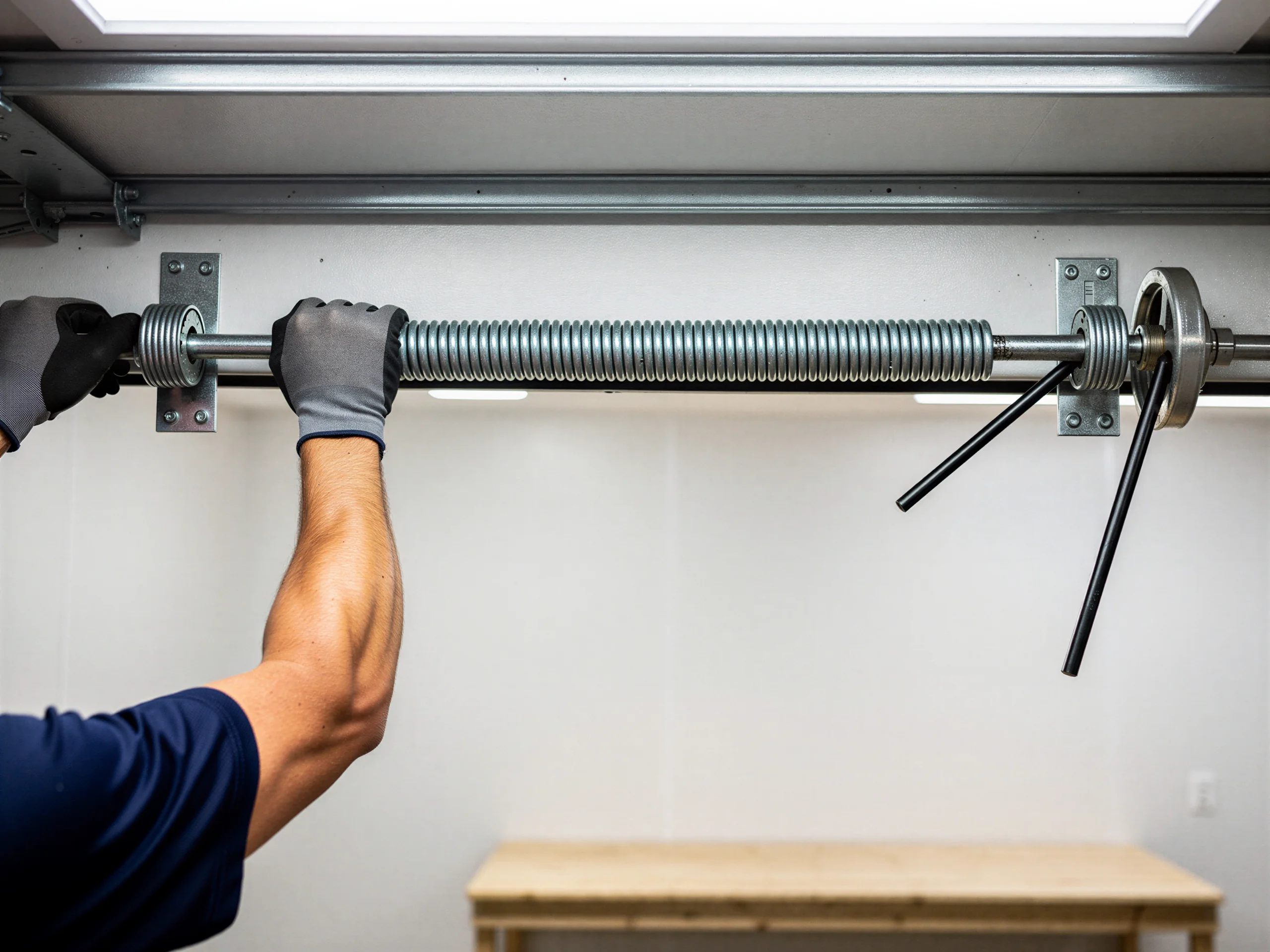
Spring Repair
National City's housing dates to about 1969, a few years older than Chula Vista area median of 1975, meaning more original torsion springs nearing failure. Learn more →Ready when you are
Need a garage door sorted in Chula Vista?
Chula Vista Garage Door Pros repairs and installs garage doors, springs and openers in Chula Vista, CA and the surrounding area.